Current Views: 365782
 Current Downloads: 220379
Advances in Linguistics Research
ISSN Print:2707-2622
ISSN Online:2707-2630
Contact Editorial Office



Subscribe to the latest published information from SCISCAN
Meme Communication in Legal Translation across Legal Systems


-
Information:
College of Foreign Languages and Literature, Northwest Normal University, Lanzhou, China
-
Keywords:
Legal Translation Across Legal Systems; Translation memes; Communication
- Abstract: This study takes the Parks and Wildlife Act of Zimbabwe and the Wild Animal Conservation Law of the People’s Republic of China as its comparative texts. This study, grounded in the language-meme typology framework—comprising form-meaning composite memes, morpho-syntactic derived memes and semantic derived memes—and Chesterman’s classification system of translation supermemes, including source-target memes, equivalence memes and untranslatability memes, among others, systematically investigates meme communication mechanisms in legal translation between distinct legal systems. By integrating the languagememe framework, this study conducts an in-depth comparative analysis of the two legal texts to examine the similarities and differences in meme replication and variation, respectively, language-meme types, translation supermeme classification system and translation strategies—specifically syntactic, semantic, and pragmatic strategies. This study aims to provide the theoretical reference for cross-system legal translation practice across legal systems in the digital era.
- DOI: 10.35534/lin.0802009
- Cite: Zhan, L. L. (2026). Meme Communication in Legal Translation across Legal Systems. Advances in Linguistics Research, 8 (2), 95-112.
1 Introduction
Under the dual drivers of globalization and digital transformation, cross-system legal translation has become a central component in the international communication of the culture of the rule of law. The Parks and Wildlife Act of Zimbabwe and the Wild Animal Conservation Law of the People’s Republic of China, as representative texts where civil law and common law systems intersect, involve legal terminology translation that goes beyond mere language conversion. The core challenge lies in addressing the deep-seated differences between the two legal systems in terms of conceptual frameworks, legal logic, term formation, and cultural backgrounds. These differences often constitute “memes” (units of cultural information) that pose significant obstacles in the process of cross- language and cross-system transmission. The theory of language memes provides a robust analytical lens for understanding the regular patterns of inheritance and adaptive variation in the replication and communication of language signs. Andrew Chesterman’s theory of translation memes further focuses on translation as an activity, exploring how source-language memes are identified, selected, transformed, and re-embedded in the target-language cultural environment to achieve cross-cultural communication. In light of this, this paper selects the authoritative English versions of the two aforementioned laws as specific research subjects. The study aims to construct an integrated analytical framework: on the one hand, it applies language meme theory to identify and classify key terms, concepts, and expressions in the texts (e.g., form-meaning composite memes, morpho-syntactic derived memes, and semantic-derivational memes). On the other hand, drawing on Chesterman’s translation meme theory, it systematically examines the specific strategies employed in translating different types of memes and their effects. Through the synergistic application of this dual framework, the study seeks to explore, within the digital context, how to more effectively overcome the barriers to meme transmission caused by legal system differences. Ultimately, it aims to propose a viable pathway for improving the accuracy, equivalence, and acceptability of cross-system legal translation, thereby facilitating more effective communication and integration of international legal cultures under the rule of law.
2 A Memetic Interpretation of Cross-System Legal Translation
The term “meme” originates from Richard Dawkins’s (1976) The Selfish Gene. Dawkins refers to the cultural counterpart of the gene as the “meme” (Powell, 2006). A meme is generally defined as a unit of information that can be replicated through a process broadly referred to as “imitation” (Blackmore, 1999: 43). Distin (2005: 20) points out that memes, as various representations of information, possess specific informational content; the human brain stores various mental states and events, including ideas, emotions, attitudes, perspectives, memories, and skills. He Ziran (2005) contends that “any piece of information that can be ‘replicated’ through a process broadly termed ‘imitation’ can be considered a meme.” Given that memes, as units of cultural information, require media for transmission and replication, language plays a crucial role in this process. Language serves as the most effective tool for meme transmission and a primary vehicle for cultural inheritance; memetic phenomena generated through language communication are known as language memes (He & Chen, 2014: 9). As the understanding of language as a meme carrier deepens, researchers have naturally turned their attention to the domain of cross-language and cross-cultural information transfer. In this context, the Finnish scholar Andrew Chesterman (1997/2012) was among the first to introduce memetics into translation studies. His monograph Memes of Translation: The Spread of Ideas in Translation Theory systematically analyzes translation thoughts and theories from various periods through the lens of memetics, thereby establishing a developmental theory of translation—the memetic theory of translation.
Building on the theoretical trajectory outlined above, memetics, language memetics, and the memetic theory of translation collectively offer significant analytical perspectives and a methodological foundation for examining cross-language and cross-cultural information transfer, particularly in the practice of legal translation involving complex legal systems. Accordingly, this study draws on language memetics and the memetic theory of translation to construct the knowledge graph of meme communication in cross-system legal translation within the digital age
(see Figure 1).
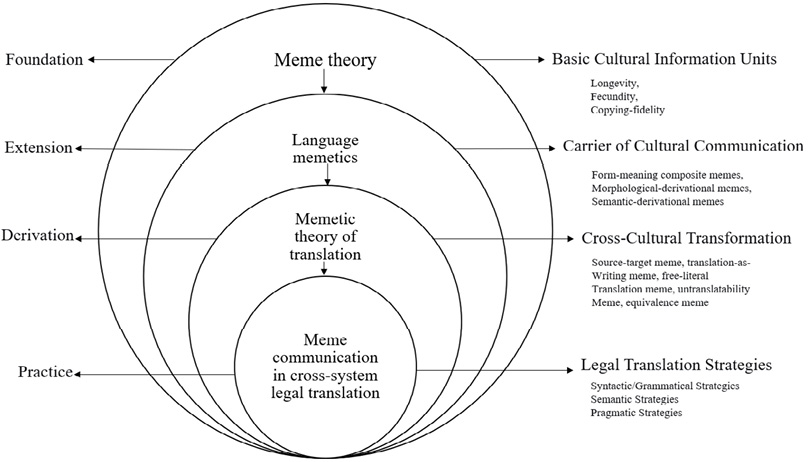
Figure 1 Knowledge Graph of Meme Transmission in Cross-System Legal Translation
Figure 1, “Knowledge Graph of Meme Transmission in Cross-System Legal Translation”, systematically integrates the hierarchical relationships between theoretical evolution and application pathways. At its foundation lies memetics, which defines the general principle by which cultural information units achieve replication through imitation. Extending from this framework is language memetics, which focuses on the function of language as a core carrier, concretizing abstract memes into three operable symbolic representations: form-meaning composite memes, morpho-syntactic derived memes, and semantic-derivational memes. Further derived from this is the memetic theory of translation, which, drawing on Chesterman’s chain of translation meme transmission, analyzes the adaptive restructuring mechanisms of source-language memes in cross-cultural contexts. Ultimately, this theoretical chain leads to cross-system legal translation practice, which, by integrating the first three theoretical layers, constructs a synergistic analytical model aimed at overcoming the obstacles to meme transmission arising from differences in legal system backgrounds, legal logic, and terminological systems. The core logic of the graph is as follows: taking meme transmission as the axis, it connects the complete knowledge chain from the essence of cultural information (memetics), through the mechanism of symbolic representation (language memetics) and the rules of cross-cultural transformation (memetic theory of translation), to domain-specific practice (legal translation). This provides a methodological framework for the comparative study of the Parks and Wildlife Act of Zimbabwe and the Wild Animal Conservation Law of the People’s Republic of China—namely, by classifying the meme types of legal terms, and by combining translation meme strategies such as target-language memes and equivalence memes, to coordinate terminological formal accuracy (replicative fidelity) with normative cultural adaptability (communication effectiveness). Thereby, this framework offers methodological support for improving the accuracy, equivalence, and acceptability of cross-system legal translation, and for fostering effective mutual learning within the international culture of the rule of law.
3 Language Meme Communication in Cross-System Legal Translation
As units of cultural communication, language memes rely on replication and communication for their survival, with language serving as one of their key carriers. At the same time, specific language forms, due to their effectiveness in conveying particular meanings, may be continuously replicated in the process of communication, thereby becoming memes themselves. Accordingly, language memes can be defined either by the informational content they represent or by the manner of their representation (He & Chen, 2014: 18). From the perspective of representational form and content, language memes can be classified into three types: form-meaning composite memes, morpho-syntactic derived memes, and semantic-derivational memes. Legal language, as a specialized discourse system embodying specific norms, values, and cultural characteristics, provides a typical domain for observing the communication of language memes through its core provisions and modes of expression. Specific legal concepts, terms, and even syntactic structures often undergo extensive replication, communication, and reinforcement in legislative practice and textual inheritance, precisely because of the normative significance they carry or their expressive efficiency, thereby forming relatively stable language memes. On this basis, this study focuses on the English version of the Wild Animal Conservation Law of the People’s Republic of China and the representative Parks and Wildlife Act of Zimbabwe. Through a detailed comparative analysis of the representational forms of language memes in their key provisions, this study aims to explore the specific patterns and underlying motivations behind the replication, communication, and variation of the three aforementioned types of language memes within these two major legal systems, thereby revealing the respective cultural genes and legislative wisdom embedded in each.
Following a comparative analysis of the English version of China’s Wild Animal Conservation Law of the People’s Republic of China and the Wild Life Act of Zimbabwe, the study summarizes the three types of language memes that appear frequently in both legal texts and exhibit high replicability: form-meaning composite memes (lexical level), morpho-syntactic derived memes (sentence-structure level), and semantic-derivational memes (word-meaning level). An analysis of meme transmission in these examples is also provided (see Table 1). The frequencies in Table 1 were calculated based on the full text of each legal document, case-insensitive, with manual disambiguation to exclude irrelevant senses and duplicate counts of the same lexical unit.
Table 1 Communication of Form-Meaning Composite Memes, Morpho-Syntactic Derived Memes, and Semantic-Derivational Memes
|
Types |
Wild Animal Conservation Law of the People’s Republic of China |
Parks and Wildlife Act |
|
Form-Meaning Composite Memes |
Wild animal: 349 |
Wild life: 73 |
|
Conservation: 167 |
Conservation: 57 |
|
|
Hunting: 58 |
Hunting: 59 |
|
|
Protected area: 15 |
protected animal/indigenous plants: 100 |
|
|
Morpho-Syntactic Derived Memes |
X shall Y: 185 |
X shall Y: 47 |
|
It shall X: 16 |
It shall X: 16 |
|
|
X means Y: 11 |
X means Y: 70 |
|
|
X includes Y: 11 |
X includes Y: 37 |
|
|
Semantic-Derivational Memes |
Conservation: 167——Protection: 5 |
Reserve: 95——Sanctuary: 53 |
|
Illegal: 37——Illicit: 3 |
Permit: 98——License: 3 |
(Note: Frequencies are based on full-text retrieval of the official English versions, case-insensitive, with inflectional variants merged. Structural patterns (“X shall Y”) are identified by syntactic frame matching)
Table 1 shows that the English version of the Wild Animal Conservation Law of the People’s Republic of China and the Parks and Wildlife Act of Zimbabwe exhibit certain commonalities and distinctive characteristics in the replication and communication of language memes. In terms of form-meaning composite memes, both laws feature a high frequency of vocabulary directly related to wildlife protection, such as “Wild animal” and “Conservation” as well as terms concerning specific management actions, such as “Hunting” and “Protected area”. These words, replicated frequently as memes in legal texts, reflect the core content of legal norms. Regarding morpho-syntactic derived memes, both laws employ similar sentence structures such as “X shall Y…”, “It shall X…”, and “X means Y…”. These structures, recurring as memes in legal provisions, enhance the normative force and precision of the laws. In terms of semantic-derivational memes (word-meaning derived memes), both laws utilize synonyms at the discourse level, reflecting the concept of classifying and hierarchically managing protected objects. For example, in Chinese law, “Conservation” (١٦٧ times) and “Protection” (٥ times), though synonyms, exhibit subtle differences in specific contexts that reflect the precision of legal expression. Similarly, “Illegal” (37 times) and “illicit” (3 times) serve a comparable function. In the African law, pairs such as “Reserve” (95 times) and “Sanctuary” (53 times), as well as “Permit” (98 times) and “License” (3 times), illustrate the same phenomenon. These synonyms, functioning as semantic-derivational memes, enrich the lexical range of legal texts and allow the law to convey concepts related to protection, management, and the like with greater nuance and diversity. Overall, the replication and communication of these language memes not only reflect the commonalities and distinctiveness of legal texts but also reveal the cultural genes and legislative wisdom underlying different legal systems, thereby offering a valuable perspective for deepening the understanding and comparison of diverse legal systems.
3.1 Form-Meaning Composite Memes
Language consists of two components: form and meaning (content). Generally speaking, a language unit becomes a meme because, on the one hand, its meaning (cultural information) possesses strong replicability. On the other hand, its language form also exhibits strong replicability (He & Chen, 2014: 19). Form-meaning composite memes refer to language memes in which both the language form and the content are highly replicable. Form-meaning composite memes include morphemes, words, phrases, sentences, and discourses that have a high frequency of use in a language. Form-meaning composite memes in a language encompass word-forming morphemes, basic vocabulary, general vocabulary in wide use during a particular period, as well as idioms, conventional expressions, allegorical sayings, proverbs, famous quotations, and canonical texts. The meanings carried by these language memes are characterized by practicality, rationality, fashionability, and authority (Chen & He, 2006: 111-113). In the domain of legal language, form-meaning composite memes are specifically manifested as legal terms that tightly integrate form and meaning. That is, in the two laws under examination, such memes appear as direct correspondences between specific legal concepts and their English expressions. Consider the following examples (C = China, A = Africa, N = noun):
Example 1: Wild+N
C: Saving rare and endangered species of wild animals
A: To authorize the removal of any wildlife
Language variation is a pervasive sociolinguistic phenomenon. Any living language is, so to speak, in a constant state of variation, which can also be interpreted as the occurrence of variation in the replication and communication of language memes (Chen & He, 2006: 110). This phenomenon of variation also exists in the cross-cultural communication of legal terminology. However, due to the strong binding between form and meaning, form-meaning composite memes tend to maintain the stability of their core semantics despite variation. The “Wild + N” structure, as a form-meaning composite meme, manifests in both laws as a tight integration of form (the fixed collocation “wild + noun”) and meaning (referring to protected wildlife resources). The high-frequency recurrence of “wild animals” (349 times) in the Chinese text and the use of “wild life” (73 times) in the African text demonstrate how this meme enables the cross-cultural replication of legal concepts through specific terminology.
Example 2: Conservation
C: Supports public undertakings for wild animal conservation
A: In matters relating to wildlife conservation
When the meaning conveyed by language information is reasonable, people tend to replicate and communicate it, thereby giving rise to memetic phenomena. An important factor for the reinforcement or retention of a language meme is that the language information possesses strong expressiveness (Chen & He, 2006: 112). In the cross-cultural communication of legal terminology, this expressiveness is often achieved through the formal stability and semantic precision of core terms. “Conservation,” as a form-meaning composite meme, manifests in both laws as a tight integration of form (fixed spelling) and meaning (the core concept of wildlife protection). Its high-frequency recurrence (167 times in the Chinese text and 57 times in the African text) reflects the strong replicability of legal terminology. Such a high replication rate typically stems from the wide applicability of the term in daily life and work (Cao & Jin, 2016). In the Chinese example, “wild animal conservation,” and the African example, “wild life conservation.” However, the collocates differ regionally (“animal” vs. “life”), “conservation” as the formal carrier fully transmits the authoritative meaning of “systematic protection”. The practicality of this meme lies in its precise reference to the essence of legal actions. At the same time, its rationality derives from the universality of the concept in the field of ecological protection, thereby achieving semantically stable communication across legal systems.
3.2 Morpho-Syntactic Derived Memes
In addition to the common form-meaning composite memes, there are also language memes derived from them. Morpho-syntactic derived memes refer to structural patterns imitated and replicated in legal discourse, such as deontic structures (“X shall Y”) and definitional structures (“X means Y”), which derive from repeated use of formal syntactic templates (He & Chen, 2014: 19). Because the language form of a particular form-meaning composite meme possesses strong replicability, much new information takes advantage of that language form to propagate itself, thereby generating new language memes. The forms of language include the phonetic forms of language units, words, sentence structures, discourses, and textual organization patterns. In language use, any of these language forms may become objects of replication and imitation, consequently giving rise to many new language memes. This section focuses primarily on sentence-structure derivational memes. Sentence-structure derivational memes are formed through imitation of the structural patterns of specific sentences. Consider the following examples (C = China, A = Africa):
Example 3: X shall Y
C: All organizations and individuals shall have the right to report violations of this Law
A: No person shall—(a) introduce any plant into a botanical reserve
Example 4: X means Y
C: “Wild animal habitats” in this Law means the major areas where the wild populations of wild animals live and breed
A: “Designated animal” means an animal declared in terms of section thirty-one to be a designated animal in a sanctuary
The propagation and evolution of language are, in essence, a continuous process of language meme replication, with repetition and analogy as the primary modes of replication and communication (Han, 2013). This process is particularly evident in the domain of legal language, where it manifests as systematic imitation of formulaic structures. The deontic structure “X shall Y”(e.g., in the Chinese provision granting rights: “All organizations...shall have the right...”; in the African provision imposing prohibitions: “No person shall—(a) introduce...”) achieves directive communication by virtue of its normativity (unified adoption of a deontic framework across legal systems, with 185 occurrences in the Chinese text and 47 in the African text) and universality (its adaptability to opposing legal meanings). The definitional structure “X means Y” (e.g., in the Chinese provision articulating an abstract concept: “Wild animal habitats means...”; in the African provision defining a specific object: “Designated animal means...”), on the other hand, meets the demand for precision through a formalized framework, with differences in frequency of use (70 occurrences in the African text vs. 11 in the Chinese text) reflecting the differing emphases placed on terminological clarity by different legal systems. Both types of structures are derived from the strong replicability of the form of form-meaning composite memes (“shall” / “means”). By imitating the “subject-predicate + core verb + legal content” structure, they carry dynamic legal semantics while maintaining syntactic uniformity, ultimately enabling the formalized communication of legal language.
3.3 Semantic-Derivational Memes
In addition to form-meaning composite memes, language memes can also be derived semantically, giving rise to semantic-derivational memes (He & Chen, 2014: 22). Semantic-derivational memes are derived language memes formed on the basis of the meaning conveyed by form-meaning composite memes. Because the meaning of a particular form-meaning composite meme (i.e., the cultural information carried by its language form) possesses strong replicability, that meaning propagates itself through other language forms and new carriers, thereby generating new language memes. This also reflects the richness and diversity of language means. The replicated meaning of a language meme originates from the meaning embedded in specific words, sentences, or discourses. In language use, the meanings or information carried by any of the aforementioned language or discourse units may become objects of replication and imitation, consequently turning them into new language memes. Accordingly, semantic-derivational memes can be classified into word-meaning derivational memes, phrase-meaning derivational memes, sentence-meaning derivational memes, and discourse-meaning derivational memes. This section focuses primarily on word-meaning derivational memes and phrase-meaning derivational memes. Semantic-derivational memes are new language memes formed through the replication of the meaning of specific language units (He & Chen, 2014: 22). The discussion here centers on word-meaning derivational memes. Consider the following examples (C = China, A = Africa):
Example 5: Conservation VS Protection
C: Organizations and individuals that have made remarkable achievements in wild animal conservation
C: The state strengthens the protection and restoration of important ecosystems
Example 6: Illegal VS Illicit
C: Stop the illegal act and take corrective action during a specified period
C: Prevent and suppress the smuggling of and illicit trading in wild animals and their products
From the perspective of word-meaning derivational memes, in the English translation of Wild Animal Conservation Law of the People’s Republic of China, “conservation” appears with high frequency (167 times), conveying core meanings such as “protection” and “preservation.” Just as the influence of semantic-derivational memes on language is primarily manifested in significantly enriching the synonymous means of expression in a language, making language expression more nuanced, diverse, and appealing (He & Chen, 2014: 23), the replicability of the meaning of “conservation” gives rise to “protection” (occurring 5 times) as a synonymous meme that communicates a similar meaning through a new lexical form. Similarly, “illegal”(37 times) and “illicit” (3 times) function in the same manner. By exploiting the similarities and subtle differences among synonyms, these terms complement each other, making the content expressed more precise, thorough, and complete (Ren, 2009). This not only further enriches the semantic expression of the concept of “illegality” in legal texts but also serves as a vivid illustration of the replication and communication of language memes.
Example 7: Reserve VS Sanctuary
A: Botanical reserves and botanical gardens
A: Purposes of sanctuaries and duties of the Minister in relation thereto
Example 8: Permit VS License
A: A permit issued in terms of subsection (1)
A: Holders of professional hunters’ licenses
In the language system of the Parks and Wildlife Act of Zimbabwe, the phenomenon of word-meaning derivational memes is particularly salient. Memes are selective because their communication capabilities differ; some information is more likely to attract attention, be remembered, and be passed on to others, thereby becoming memes (Chen & He, 2006). Just as “reserve,” as a high-frequency word (occurring 95 times), clearly denotes the concept of a protected area, its meaning, owing to its stronger transmissibility, gives rise to the synonymous meme “sanctuary” (occurring 53 times), which conveys a similar meaning through a different lexical carrier. Similarly, “permit” (98 times) and its synonym “license” (3 times) function in the same way, together expanding the semantic dimensions of concepts related to authorization in the legal text. This creative derivation of synonymous memes exemplifies the legislative pursuit of expressive efficacy: only by boldly exploring the aesthetic variation of language can one achieve optimal expressive outcomes (Lü, 2004: 30).
4 Communication of Translation Memes in Cross-System Legal Translation
Chesterman posits that there are five supermemes in the meme pool of translation, namely: the source-target meme, the equivalence meme, the untranslatability meme, the free-literal meme, and the translation-as-writing meme (He & Chen, 2014: 92). These supermemes collectively construct the framework for the cross-cultural communication of legal texts. Their operational logic is specifically manifested as follows: the communication of memes within the same culture always occurs through imitation, especially through language. If memes are to be transmitted across cultures via language, translation becomes necessary. Consequently, translational language serves as the survival vehicle for memes to cross cultural boundaries (He & Chen, 2014: 92). This study focuses exclusively on the source-target meme, the equivalence meme, and the untranslatability meme, the free-literal meme, and the translation-as-writing meme in the translation of the two laws. The cross-cultural communication of these supermemes relies on specific replication mechanisms (see Figure 2), with the realization pathways reflected in the process from decoding to re-encoding and communication. Meme replication can be broadly divided into the following three types: full replication, similar replication, and mutative replication (Wang, 2011). Full replication refers to the complete replication of the core memes and other memes from the source language into equivalent memes in the target language, representing the ideal state and highest realm of translation. Similar replication refers to the replication of core memes from the source language into similar memes in the target language, a form of translation that achieves deep semantic equivalence. Mutative replication refers to abridged translation, adapted translation, or omitted translation triggered by significant conflicts arising from cultural differences or other factors, aiming to replicate source-language memes into mutative memes in the target language to the greatest extent possible (Wang, 2011).
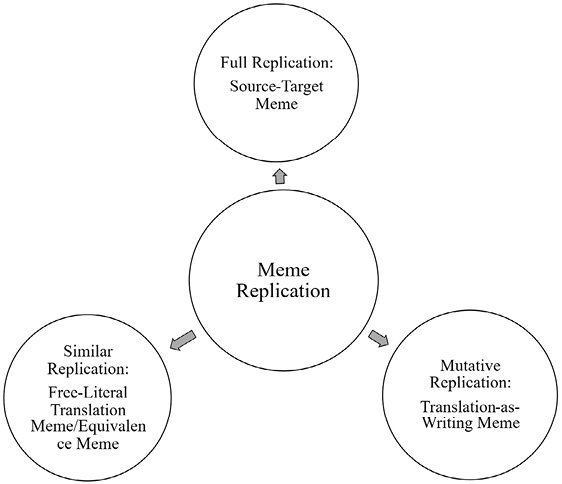
Figure 2 Memetic Properties of Translation
Figure 2 shows that the three types of replication mechanisms have clear correspondences with the supermemes. Full replication achieves the equivalent communication of the source-target meme, essentially transplanting the core memes of the source language into the target language without loss, pursuing full correspondence in both form and meaning, and representing an idealized pathway of translation. Similar replication supports the surface or deep equivalence of the equivalence meme and the free-literal meme, reconstructing the core semantics in the target language through structural transformation and achieving cross-cultural conservation of legal logic. Mutative replication carries the functional adaptation of the translation-as-writing meme; when cultural conflicts arise, it employs abridged translation, adapted translation, or omitted translation, transmitting core norms through re-creation in the target language.
4.1 Source-Target Meme
The memetic theory of translation holds that translation is the process of transmitting source-language memes into target-language memes using the target text as the medium of expression (Wang, 2011). The source text is a memetic complex carrying the author’s ideas and cultural background, along with various other memes that reflect cultural contexts. To translate these, the translator must first decode the source-language memes and become infected by them, serving as a host for these memes, and then re-encode the source-language memes using the target language, transmitting them through a different carrier. In the translation of the two laws under consideration, this type of meme manifests as the direct borrowing of English legal terminology.
Example 9: Permit
C: If the circumstances are serious, the operation permit shall be revoked
A: Subject to this Act, the Authority, with the concurrence of the Minister, may issue a permit to any person to hunt any animal in a sanctuary
The direct borrowing of “permit” in the two laws serves as a typical case of source-language memes being transmitted to the target language through the mechanism of full replication. According to the memetic theory of translation, the cross-cultural communication of legal terms must satisfy the principles of fecundity (high-frequency recurrence) and longevity (semantic stability). As a mode of meme communication, translation must achieve a high degree of replication from the source language to the target language, adhering to the principles of fecundity and longevity, in order to successfully transmit memes (Wang, 2011). As a universally accepted term in international legal discourse, the core meaning of “permit”—” official authorization or permission”—exhibits strong replicability. In the Chinese legal provision “operation permit shall be revoked” (where the permit is revoked in serious cases), “permit” carries the logic of the nullification of administrative authorization. In the African legal provision “issue a permit to hunt,” the term implements the mechanism for activating authorization. In both instances, no indigenous translation equivalents are created; instead, the original English form is directly replicated, reflecting legal translation’s reliance on an international terminological repository.
4.2 Equivalence Meme
According to Chesterman’s theory, the memes in the translation meme pool have two forms of replication: equivalence and equivalent effect (Chesterman, 2000). The equivalence meme refers to the search for expressions of equivalent meaning between the source language and the target language. In fact, the source-language information to be transmitted is multi-layered, encompassing both surface and deep meanings expressed through the language form and connotation of the source language. The surface meaning refers to the literal meaning of a sentence or a word. In contrast, the deep meaning refers to the implied or figurative meaning of a sentence or a word (Cao, 1998). In the translation of the two laws, this type of meaning manifests as the semantic equivalence translation of legal concepts.
Example 10: No-hunting Zone VS Sanctuary
C: Hunts or catches any other terrestrial wild animal in a natural protected area or a no-hunting zone
A: Each of the areas described in the Third Schedule is hereby constituted a sanctuary
The differing expressions of the concept of “no-hunting zone” in the two laws (“no-hunting zone” in the Chinese text vs. “sanctuary” in the African text) illustrate how the equivalence meme achieves semantic equivalence through the mechanism of similar replication. According to Chesterman’s theory, legal translation requires a balance between surface meaning (literal reference) and deep meaning (legal-functional essence). The Chinese term “no-hunting zone” adopts a surface-level literal translation, conveying through a compound word the straightforward prohibition of “an area where hunting is banned” (e.g., “hunts...in a no-hunting zone”), emphasizing the clarity of behavioral restriction. The African term “sanctuary” activates deep figurative meaning, drawing on religious and cultural imagery (holy place/refuge) to reinforce the legal attribute of “a protected area” (e.g., “constituted a sanctuary”), emphasizing the sanctity of protection. This differentiated communication strategy corroborates a core tenet of memetic theory: from a memetic perspective, translation can be viewed as the process of meme replication and communication through language (Wang, 2010).
4.3 Free-Literal Meme
The free-literal meme refers to the process in which the translator adopts free translation or literal translation based on the meaning of the source language. This type of meme is manifested in the translation of both laws under consideration.
Example 11: National Parks
C: Important habitats of wild animals in national parks
A: Prohibition and regulation of certain acts in national parks
The complete literal translation of “national parks” in both laws demonstrates the advantage of the free-literal meme in achieving formal replication on the basis of cultural commonalities. Wang Hongyi and Yu Gaofeng (2011) note: “Source and target languages are unique, yet cultural commonalities make relative replication possible.” This theoretical proposition receives dual confirmation here, i.e., a phenomenon in which surface form is unified while deep functions diverge. Formal complete replication: both the Chinese and African texts directly adopt the internationally standard term “national parks” (rather than creating indigenous translations such as “national nature parks”), because the concept originates from the global system of nature conservation, and its core connotation has a cross-system cognitive foundation. Functional differentiated carrying: the Chinese provision “important habitats...in national parks” emphasizes the description of ecological functions, with literal translation ensuring zero-loss transmission of scientific concepts; the African provision “prohibition...in national parks” emphasizes the articulation of regulatory measures, with literal translation maintaining the binding force of the provisions.
4.4 Translation-as-Writing Meme
The translation-as-writing meme emphasizes the creative dimension of the translation process. At the same time, the differential use of archaic English words in legal texts prominently reflects the mechanism of mutative replication in the two laws. From a memetic perspective, translation can be viewed as the process of meme replication and communication through language. Take the use of archaic English words in the Chinese and African legal texts as an example:
Example 12: Thereof
C: If the avoidance thereof is truly impossible, measures such as the construction of migration channels for wild animals and fish passage facilities shall be taken to eliminate or reduce the adverse impacts on wild animals
A: A permit issued in terms of subsection (1) may authorize the holder thereof to allow any person nominated by him to do in his stead
The essence of translation is a special kind of communicative activity that crosses two languages (Cao & Deng, 2023). This characteristic is particularly evident in the translation of legal texts. The introduction of the translation-as-writing meme, such as the inclusion of special translation memes like archaic English words in legal texts, helps ensure the progressiveness of a nation’s culture (Wang, 2011). In the Chinese example sentence “If the avoidance thereof is truly impossible... measures shall be taken,” the translator, acting as a host of memes, actively selects “thereof” to refer to “adverse impacts,” breaking free from the constraints of Chinese syntactic structures. This achieves greater referential precision and an elevated level of formality, while also performing cross-system stylistic transplantation to compensate for the cultural default in Chinese legal texts, which lack a tradition of archaic English. In the African example sentence “A permit... the holder thereof to allow any person... in his stead,” terms such as “thereof” and “his stead” are inherited memes from the common law system, recurring 48 times in the African legal text. This reflects the historical sedimentation of legal language from the colonial period, largely taking the form of historical linguistic inheritance. The mutative aspect lies in the localized adaptation of these archaic English terms to the governance concepts embedded in customary law.
5 Translation Strategies in Cross-System Legal Translation
Memes can also be transmitted through translation. The translation process can be understood as the communication of memes from foreign cultures into one’s own culture via language (Yin, 2006). Translation strategies themselves constitute a type of translation meme, widely employed by translators and serving as a standard conceptual tool in the field of translation studies. Chesterman (1997/2012) classifies translation strategies into two categories: comprehension strategies and production strategies. Production strategies in translation are further divided into syntactic/grammatical strategies, semantic strategies, and pragmatic strategies. Comprehension strategies relate to the analysis of the source text and the nature of the translation brief. Production strategies are essentially the outcome of comprehension strategies; they pertain to the ways in which translators manipulate language material in order to produce an appropriate target text. This study focuses exclusively on the production strategies employed in the Parks and Wildlife Act of Zimbabwe and the English version of the Wild Animal Conservation Law of the People’s Republic of China, with the analysis of production strategies in the English version of the Chinese law requiring comparison with its original Chinese text (see Table 2).
Table 2 Communication of Syntactic/Grammatical Strategies, Semantic Strategies, and Pragmatic Strategies
|
Production Strategies |
Syntactic/Grammatical Strategies |
Change sentence structure |
|
Change clause structure |
||
|
Semantic Strategies |
Abstraction |
|
|
Paraphrase / Explanation |
||
|
Pragmatic Strategies |
Modal hedges |
|
|
Implicature hedges |
As shown in Table 2, this study conducts an in-depth investigation of the translation production strategies employed in the Parks and Wildlife Act of Zimbabwe and the English version of the Wild Animal Conservation Law of the People’s Republic of China. At the level of syntactic/grammatical strategies, by changing sentence structure (e.g., sentence combination) and changing clause structure, the aim is to adjust the textual framework, enhance the logical coherence of legal provisions, and better align them with the rigor required of legal texts. At the level of semantic strategies, abstraction translation condenses legal connotations through abstract nouns, thereby improving the professionalism of expression; paraphrase/explanation translation eliminates ambiguity in the understanding of legal terms through definitions and explications, ensuring accurate information transfer. At the level of pragmatic strategies, modal hedges serve a politeness function, while implicature hedges fulfill a conceptual function; together, they balance legal authority with cross-cultural adaptability. Through comparative analysis, this study clarifies the operational patterns and value of each strategy in legal translation.
5.1 Syntactic/Grammatical Strategies
At the level of syntactic and grammatical strategies, translation activities involve various means such as literal translation, loanwords, transposition, unit shift, phrase structure adjustment, clause restructuring, sentence reorganization, cohesion optimization, category shift, and combination change (Chesterman, 1997/2012). This study focuses on clause structure conversion and sentence structure restructuring strategies in the translation of the two legal texts. The rationale for this selection lies in the specificities of legal syntax and the requirements of cross-system adaptation. The precision required by legal provisions demands accurate handling of complex clause logic (e.g., conditional/restrictive clauses), and the significant differences between the Chinese and African legal systems markedly influence the arrangement of main clauses (e.g., the choice between active and passive voice in liability provisions). The following section provides an empirical analysis using, on the one hand, a case of clause structure adjustment in the English translation of the Chinese law, and on the other hand, a case of sentence structure restructuring in the original text of the African law.
Example 13: Changing Sentence Structure
C source text: 禁止违法猎捕、运输、交易野生动物,禁止破坏野生动物栖息地
C translated text: It shall be prohibited to illegally hunt, transport or trade in wild animals or destroy the habitats of wild animals.
At the level of syntactic strategies, the translation in the example achieves cross-system normative equivalence through sentence structure restructuring. The original Chinese sentence employs a double active-voice prohibition structure (“it is prohibited to... it is prohibited to...”). In contrast, the English translation restructures it into a single passive-voice construction, “It shall be prohibited to...”. This not only conforms to the passive-voice convention of common law legislative texts but also uses the conjunction “or” to integrate multiple parallel verb phrases (hunt/transport/trade/destruct), thereby accurately conveying the coercive force of the prohibitive norm in the original text. This structural adjustment resolves the differences between Chinese and English legal sentence patterns (active vs. passive voice choice). It ensures the rigor of the provision through logical integration (transforming separate clauses into a parallel structure of verb phrases), ultimately achieving the accurate transplantation of the source language’s legal efficacy into the target language system. This transplantation of efficacy essentially corresponds to the core process of translation as the replication of source-language memes into the target language. Zhang Xiuying and Zhang Yuping (2009) argue that “successful translation should be such that source-language memes are converted by the host into the target language and accepted by new hosts.” The syntactic restructuring strategy in the example precisely embodies this process.
Example 14: Changing Clause Structure
A: The Minister may, on the recommendation of, or after consultation with, the Authority, by notice in a statutory instrument, amend the Sixth Schedule by adding thereto or removing therefrom the name of any animal
The unique culture of each country is deeply embedded in the language it uses and influences and constrains the communication of that language (Zhang & Zhang, 2009). Owing to these cultural differences, source-language memes may fail to be accepted by new hosts after communication, or may undergo a mutation that prevents their propagation. The unconventional embedded structure of the conditional adverbial clause in example— “The Minister may, on the recommendation of, or after consultation with, the Authority, by notice...”—can be regarded as a manifestation of Zimbabwe’s legal cultural memes. Rather than placing the conditional adverbial clause at the beginning to emphasize the condition, this structure inserts it between the subject and the verb. Although this does not conform to standard English word order norms, it may derive from the specific requirements of procedural rigor in common law legislative texts—by placing the decision-making basis (recommendation/consultation with the Authority) immediately after the modal verb “may”, the statutory constraints on administrative power are highlighted. This syntactic arrangement is rooted in the emphasis placed on checks and balances of power within the country’s legal culture. It is precisely this distinctive legal cultural meme that has been successfully embedded in the English host: neither has its communication been hindered by structural variation (English legal communities accept the provision’s efficacy), nor has the core normative information been distorted (the procedural requirements are fully retained). This confirms that cultural memes can achieve effective inheritance through adaptive structural variation in the process of cross-language transplantation.
5.2 Semantic Strategies
At the level of semantic strategies, the main operations include using synonyms, using antonyms, using hyponyms/hypernyms, reversed translation, abstraction and concretization, distribution change, emphasis change, paraphrase, change of tropes, and other semantic strategies (Chesterman, 1997/2012). This study focuses on the strategies of abstraction and paraphrase in the translation of the two legal texts. The rationale for this selection lies in the cross-system equivalence requirements of legal terminology and the challenges of transplanting culturally loaded concepts; the highly specialized nature of legal provisions demands precise handling of conceptual hierarchies, and the differences between Chinese and African legal and cultural backgrounds significantly influence the semantic communication of core concepts. The following section provides an empirical analysis using, on the one hand, a case of abstraction conversion in the two legal texts, and on the other hand, a case of explanatory supplementation.
Example 15: Abstraction Strategy
C: Maintaining biological diversity and ecological balance, advancing ecological civilization
A: The preservation and protection of natural landscapes, wildlife and plants and the natural ecological stability of wildlife
Language itself is both a cultural phenomenon and a vehicle for cultural communication (Wang, 2013). This provides a cultural explanation for the use of abstract terms in legal texts. In the example above, “ecological balance” and “ecological stability” both illustrate the aforementioned strategy. From a memetic perspective, abstract terms in legal texts can be regarded as potent memes—that is, ideas or units of information that can spread widely within cultural or professional domains and influence people’s thinking and behavior. These abstract terms are selected because they possess a high degree of generality and adaptability, enabling them to transcend different legal systems and cultural backgrounds in conveying the shared concept of protecting the natural environment and biodiversity. As Wang Lisong (2013) points out: “the reason one culture or set of ideas differs from another lies in their respective distinct memes”. These memes are embodied and transmitted in legal texts through abstract terms.
Example 16: Paraphrase Strategy
C: “Wild animals” conserved in this Law means the rare and endangered species of terrestrial and aquatic wild animals and the terrestrial wild animals of significant ecological, scientific, or social value
A: “Meat” means the flesh, including the fat, of any animal, whether fresh, dried, tinned or otherwise preserved
In the Chinese example, the provision stipulates that wild animals protected under this Law refer to rare and endangered species of terrestrial and aquatic wild animals, as well as terrestrial wild animals of significant ecological, scientific, or social value. This aims to transform the memes of China’s distinctive ecological values, where concepts such as “social value” cannot be accurately conveyed through literal translation. In the African example, the term “meat” is specified as “the flesh, including the fat, of any animal, whether fresh, dried or tinned or otherwise preserved,” because, in the context of the African trade in wild animal products, the range of forms that “meat” can take far exceeds the cognitive scope of the concept in Chinese, thus requiring concrete explication to fill the cultural gap in the target language. The obstacles to the transplantation of cultural memes encountered in both examples illustrate that “when the cultural characteristics of source-language memes are highly pronounced and cannot be transformed through such means as citation, transplantation, grafting, or morphological modification in the target language, supplementary explanation is often required on the basis of lexical modification. This enables source-language memes to be transmitted into the target language while also allowing target-language readers to understand and accept them” (Zhang & Zhang, 2009). The explanatory definitions in both examples represent a concrete application of this strategy.
5.3 Pragmatic Strategies
At the level of pragmatic strategies, translation activities involve cultural filtering, changes in clarity, changes in information, changes in interpersonal relationships, changes in illocutionary behavior, changes in coherence, partial translation, changes in translator visibility, editing, and other pragmatic strategies (Chesterman, 1997/2012). Among all formal and normative language types, legal language possesses unique stylistic features and characteristics. In practice, the authority, normativity, and precision of legal language coexist with its inherent vagueness (Zhang, 2013). Based on this dual nature, this study focuses on the specific application of hedging strategies in the translation of the two legal texts, with particular attention to the representation of vagueness through modal verbs and the use of implicature hedges. The formation of vague language in legal English has specific internal causes, and in practice, its distinctive pragmatic functions serve judicial needs. The following section systematically analyzes the application of hedging strategies in legal text translation, drawing on cases from the Chinese and African legal texts.
Example 17: Implicature Hedges
C: Where it is necessary to hunt or catch any wild animals under Grade-I state conservation for scientific research, population control, or monitoring of epidemic sources and epidemic diseases or under other special circumstances
A: Any person who contravenes subsection (1) shall be guilty of an offense and liable to a fine not exceeding level seven or to imprisonment for a period not exceeding two years or to both such fine and such imprisonment
Language itself is characterized by generality, a trait reflected in the fact that many of the concepts it expresses are vague or imprecise (Zhang, 2013). In specific language contexts, when precise expression is impossible, unnecessary, or when vagueness is required, vague language is used. In the examples, the translation of implicature hedges (e.g., “other special circumstances” in the Chinese example; “not exceeding” in the African example) constitutes a pragmatic translation strategy for the cross-system communication of normative memes. The Chinese law employs the vague translation “other” to cover unenumerated contingencies, thereby avoiding distortion of the legislative meme (as future situations cannot be precisely predicted) while retaining administrative flexibility (as precise details are unnecessary). The African law uses “not exceeding” to set an upper limit on judicial discretion, embedding a judicial discretion meme through vague translation. Both strategies construct open-ended categories through implicature translation—the Chinese law expands the applicability boundaries of normative memes. In contrast, the African law delimits the boundaries of the judicial discretion meme. By maintaining the inherent generality of language, this vague translation strategy balances the precision of legal provisions with practical flexibility, ultimately achieving the adaptive cross-system transplantation of the core memes of legal efficacy.
Example 18: Modal Hedges
C: Any construction project may impact natural protected areas or other important habitats or migration routes of wild animals
A: Take all such other steps as it may consider necessary or desirable to provide facilities for visitors thereto
In legal text translation, modal hedges such as “may impact” and “may consider” appear in both the Chinese and African legal texts. Hedges serve a politeness function in legal language (Dong, 2005). These expressions not only adhere to the dual nature of legal language—being both authoritative and normative while also inherently vague—but also skillfully exploit the pragmatic functions of modal hedges, particularly their politeness function. Moreover, the use of hedges can, to a certain extent, soften the assertive tone of the author (Ai, 2012). Specifically, “may impact” describes the potential effects of a construction project on natural protected areas or important habitats or migration routes of wild animals in a non-absolute manner. This formulation preserves the seriousness of the legal provision while avoiding overly assertive claims, reflecting respect for and consideration of future uncertainties, and leaving room for negotiation and adjustment by the parties concerned. Similarly, “may consider” grants decision-makers a certain degree of discretion in providing visitor facilities. This expression not only reflects legal recognition of flexibility in decision-making but also reduces the coercive force of a direct command through vague language, thereby enhancing the acceptability of the legal text and the harmony of its implementation. Consequently, the use of modal hedges in the translation of Chinese and African legal texts is not only an effective utilization of the vagueness characteristic of legal language but also an important means of realizing the politeness function of legal texts and facilitating the smooth implementation of the law.
6 Conclusion
Translation, as an activity of cultural communication, has as its essence the promotion of progressive development in the recipient’s cultural gene pool through the introduction of source-language memes, while simultaneously relying on the accuracy, stability, and communication speed of target-language meme replication to ensure cultural survival. From the perspective of language memetics, the communication of high-frequency language memes in cross-system legal translation is manifested in the replication of form-meaning composite memes, morpho-syntactic derived memes, and semantic-derivational memes in the two legal texts (Chinese and African). From the perspective of translation meme communication, the two legal texts exhibit common characteristics in the communication of the source-target meme, the equivalence meme, the free-literal meme, and the translation-as-writing meme. The application of translation strategy memes is concretized in a three-dimensional framework: syntactic/grammatical strategies focus on changing sentence structure and adjusting clause structure; semantic strategies emphasize abstraction and paraphrase; pragmatic strategies highlight modal hedges and implicature hedges. The replication and communication of these memes not only reflect the cross-system commonalities and distinctive characteristics of legal texts but also profoundly reveal the cultural genes and legislative wisdom underlying the two major legal systems, thereby offering an innovative perspective for deconstructing differences in legal civilizations.
References
[1] Ai, X. H. (2012). A comparative study of the use of hedges by Chinese and American linguists. Journal of Shanxi University of Finance and Economics, (S2), 111–112.
[2] Blackmore, S. (1999). The meme machine. Oxford University Press.
[3] Cao, J., & Deng, W. J. (2023). On translation and communication in the post-network era. Technology Enhanced Foreign Language Education, (4), 78–83, 124.
[4] Cao, J., & Jin, Y. (2016). A theoretical interpretation of the transmissibility of powerful language memes on the internet. Chinese Journal of Journalism & Communication, (2), 37–56.
[5] Cao, M. X. (1998). On equivalent translation. Chinese Translators Journal, (2), 24–26.
[6] Chen, L. X., & He, Z. R. (2006). An analysis of language memes. Foreign Language Teaching and Research, (3), 108–114, 160.
[7] Chesterman, A. (2000). Memetics and translation strategies. Synapse, (5), 1–18.
[8] Chesterman, A. (2012). Memes of translation: The spread of ideas in translation theory. John Benjamins. (Original work published 1997)
[9] Dawkins, R. (1976). The selfish gene. Oxford University Press.
[10] Distin, K. (2005). The selfish meme: A critical reassessment. Cambridge University Press.
[11] Dong, G. Y. (2005). A pragmatic analysis of hedges in legal language. Hebei Law Science, (9), 155–156, 160.
[12] Han, Z. J. (2013). An analysis of lexical variation based on language memetics. Journal of Northeastern University (Social Science Edition), (3), 319–324.
[13] He, Z. R. (2005). Memes in language. Language Sciences, (6), 54–64.
[14] He, Z. R., & Chen, X. R. (2014). Language memetics: Theory and application. Jinan University Press.
[15] Lü, X. (2004). Practical English rhetoric. Tsinghua University Press.
[16] Powell, G. (2006). Memes. In K. Brown (Ed.), Encyclopedia of language and linguistics (٢nd ed.). Elsevier.
[17] Ren, K. X. (2009). A multi-dimensional reflection on the English translation of “tuo’er” from the perspective of English-Chinese meme differences. Chinese Translators Journal, (5), 82–85.
[18] Wang, C. (2011). Transmission of cultural images in the translation of Tao Te Ching from the perspective of memetics. Journal of Chongqing Jiaotong University (Social Sciences Edition), (4), 136–138.
[19] Wang, H. Y., & Yu, G. F. (2011). Meme transmission, domestication and foreignization in translation. Social Scientist, (8), 150–152.
[20] Wang, L. S. (2013). Translation strategies from the perspective of strong memes and weak memes. Journal of Tianjin University (Social Science Edition), (4), 350–353.
[21] Wang, X. Y. (2010). An analysis of translation memetics. Journal of Fuzhou University (Philosophy and Social Sciences Edition), (1), 74–78.
[22] Yin, P. A. (2006). Memes and domestication and foreignization in translation. Journal of Xi’an International Studies University, (3), 39–42.
[23] Zhang, R. R. (2013). A study of vague language and its translation strategies in legal English. Theory Monthly, (12), 105–108.
[24] Zhang, X. Y., & Zhang, Y. P. (2009). Memetics and the handling of cultural differences in translation. Journal of Southeast University (Philosophy and Social Science Edition), (S1), 205–207.