Current Views: 359004
 Current Downloads: 216594
Advances in Linguistics Research
ISSN Print:2707-2622
ISSN Online:2707-2630
Contact Editorial Office



Subscribe to the latest published information from SCISCAN
Can’t Hear Clearly Without Glasses?—A Preliminary Study on Multisensory Integration in Language Processing


-
Information:
School of Liberal Arts, Shandong University, Jinan, China
-
Keywords:
Unclear Hearing When Taking Off the Glasses; Audio-Visual Integration; Multisensory Integration; Cognitive Load
- Abstract: Based on the design experiment of Multisensory Integration theory and Cognitive Load theory, this paper studies the phenomenon of “unclear hearing when taking off the glasses”. The experimental results show that visual blurring reduces auditory processing accuracy, and factors such as usage frequency will also have a significant impact on this phenomenon. The study found that this phenomenon is mainly caused by two reasons: first, multisensory integration is disrupted, and visual blur interferes with the integration of multisensory information; second, the cognitive load increases, and the brain needs to allocate more resources to process blurred visual information, resulting in a decrease in auditory processing resources. In addition, the higher usage frequency, the less obvious the loss of hearing, which also reflects the role of semantic expectations in auditory understanding. Building upon this, a counterintuitive finding was also observed: under complete visual blurring, individuals with moderate-to-high myopia unexpectedly outperform those with mild myopia, particularly when processing low-frequency corpora. This highlights the interaction between the long-term visual compensation mechanism and top-down semantic expectations. This study also explores individual differences, which provides a new perspective for understanding the multisensory integration mechanism of human beings, and has enlightening significance for the design of rehabilitation strategies for the visually impaired.
- DOI: 10.35534/lin.0802013
- Cite: Wang, Y. (2026). Can’t Hear Clearly Without Glasses?—A Preliminary Study on Multisensory Integration in Language Processing. Advances in Linguistics Research, 8(2), 151-170.
1 Introduction
1.1 Problem Statement
In daily life, the author frequently observes an intriguing phenomenon: individuals with myopia often experience blurred vision upon removing their glasses, and report reduced auditory clarity compared to when wearing glasses. This phenomenon of “reduced hearing clarity after removing glasses” is not an isolated case but rather a common experience among many myopic individuals.
Specifically, when individuals with myopia remove their glasses, their visual field becomes blurred, making it difficult to perceive surrounding objects clearly. If someone speaks near them during this period, they may experience muffled or incomprehensible sounds, potentially requiring the speaker to repeat statements multiple times for clear comprehension.
This paper will employ linguistic knowledge and relevant experiments to investigate the underlying causes and mechanisms of this phenomenon.
1.2 Review of Previous Studies
1.2.1 Multimodal Discourse Analysis and Multisensory Integration
Multimodal discourse analysis is a discipline that examines how meaning is constructed through symbolic systems such as language, images, and sound. Its theoretical foundations date back to the 1970s, when Barthes (1977) introduced the symbolic analysis framework in Rhetoric of the Image, laying the groundwork for subsequent research in multimodal discourse analysis. Halliday’s (1978) systemic functional linguistics theory further expanded the application of symbolic systems in multimodal contexts. Kress and Van Leeuwen’s (2001) research extended multimodal analysis to images and sound, proposing a discourse analysis framework for multimodal symbolic resources that elucidates how the interaction of multimodal information influences human comprehension.
The multisensory integration mechanism examines how organisms process information through sensory channels such as vision, hearing, and touch. Gu Yueguo’s (2015) interdisciplinary study demonstrates that multisensory integration relies not only on the interaction of symbolic systems but also involves collaboration among biological sensory systems. Although multimodal discourse analysis and multisensory integration focus on different aspects, their research perspectives complement each other: the former emphasizes the communicative function of symbols, while the latter concentrates on sensory interaction mechanisms. The integration of these approaches helps elucidate the underlying mechanism behind the phenomenon of “having difficulty hearing when removing one’s glasses”.
1.2.2 Audio-Visual Integration Phenomenon
Audiovisual integration is one of the most extensively studied areas within multisensory integration. Research demonstrates that visual information can significantly influence the perception of auditory information. The McGurk effect exemplifies this phenomenon: when auditory and visual information are inconsistent, the brain integrates the two to form a unified auditory percept (McGurk & MacDonald, 1976). For instance, when the auditory syllable “ba” does not match the visual lip shape “ga”, the observer may perceive “da”, illustrating how visual information interferes with and alters auditory perception.
Furthermore, the intensity of the McGurk effect varies across linguistic contexts, closely tied to the communication habits of native speakers. Sekiyama and Tohkura (1991) found that Japanese listeners exhibited a weaker McGurk effect compared to English listeners when faced with audiovisual inconsistencies, a phenomenon linked to Japanese pronunciation characteristics and the cultural practice of avoiding direct eye contact during communication.
1.2.3 Cognitive Load Theory
Sweller (1988) proposed that the processing capacity of the human cognitive system is limited; when the information processing load increases, the system prioritizes resource allocation for specific tasks, thereby affecting the processing of other information. During multisensory information integration, cognitive load exerts a particularly strong influence on resource allocation. When visual information is ambiguous, the brain must allocate more cognitive resources to interpret visual information, thereby reducing the resources available for processing auditory information, which may lead to decreased accuracy in sound comprehension. This theory provides a plausible explanation for the phenomenon of “not hearing clearly when removing glasses”: visual ambiguity increases the information processing load and impairs auditory integration and decoding.
1.2.4 Semantic Expectation
Semantic anticipation refers to the ability of individuals to predict upcoming information in advance during language processing by leveraging contextual cues and background knowledge, thereby enhancing comprehension efficiency. Kintsch (1998) posits that semantic anticipation enables rapid retrieval of useful information by activating relevant memories and knowledge frameworks. This mechanism not only accelerates information decoding but also reduces cognitive load, providing cognitive support for the coordinated processing of language and perception.
1.3 Significance of the Topic Selection
A review of previous studies reveals that there is indeed limited research data regarding the phenomenon of “difficulty hearing clearly when removing glasses”. However, based on the aforementioned literature review, the author proposes the following preliminary hypothesis:
Since we operate within a multimodal information environment, we rely on multimodal sensory organs to receive and integrate this information, ultimately forming a unified, coherent, and meaningful perception. Therefore, the sensation of “having difficulty hearing when removing glasses” due to hearing impairment does not stem from dysfunction of the ears themselves, but from the impact of visual information deficiency on our auditory perception.
Furthermore, according to research on cognitive load theory, when we remove our glasses, the blurred visual information becomes a burden on our brain’s information processing. This requires allocating more cognitive resources to handle the blurred visual information, resulting in insufficient allocation of resources for auditory processing. Consequently, this impairs the integration of auditory information, leading to unclear hearing.
It is noteworthy that this phenomenon does not occur in all individuals with myopia; there are variations among individuals, but it is indeed relatively common among those with myopia. To investigate the underlying causes and mechanisms of this phenomenon in depth, the author conducted an experimental study aimed at verifying the impact of visual information on auditory comprehension and examining how external factors such as corpus frequency of use and environmental conditions influence multisensory integration. This research is expected to provide new perspectives and evidence for understanding human multisensory integration mechanisms.
2 Experimental Design
2.1 Pre-experimental Preparation
2.1.1 Recruiting Volunteers
(1) Recruit 15 native Chinese-speaking volunteers. All volunteers must pass basic hearing and visual acuity tests to ensure comparable general health, except for visual differences. Among them, 5 have mild myopia (0–300 diopters), and 5 have moderate-to-high myopia (over 300 diopters).
(2) The recruited volunteers were divided into three groups, each consisting of five individuals: Group A with normal vision, Group B with mild myopia, and Group C with moderate-to-high myopia. The myopia degrees of each volunteer were recorded for subsequent analysis.
2.1.2 Preparation of Corpus and Corresponding Test Questions
(1) Conduct a pilot experiment. The corpus was collected from the CCL database and divided into three groups—A, B, and C—based on sentence length, with four sentences in each group: the short sentence group (15~20 characters), the medium sentence group (20~25 characters), and the long sentence group (over 25 characters). In a quiet environment, volunteers were read three sets of speech materials, with their auditory comprehension accuracy, comprehension speed, and subjective perception of comprehension difficulty recorded under both normal conditions and when glasses were removed. The comprehensive analysis revealed that when testing the middle sentence segment, volunteers exhibited significant differences in listening comprehension accuracy, comprehension speed, and subjective perception of comprehension difficulty between wearing and removing their glasses when listening to the same audio material. Therefore, the material with medium-length sentences (20~25 characters) was selected for this experiment.
(2) Two carefully selected corpora from the CCL corpus were chosen to reflect the linguistic habits of native Chinese speakers. The first corpus contains trendy expressions from the past decade, including common phrases found in social media, news articles, and everyday conversations, thereby capturing contemporary language practices; the second corpus comprises phrases from the last century that are now rarely used, designed to assess the ability to process unfamiliar linguistic information. All corpora maintain consistent sentence lengths (20~25 characters) to minimize the impact of corpus length on experimental results.
(3) Prepare test questions: Design corresponding questioning items based on the information points of each corpus group to ensure the questions accurately reflect volunteers’ comprehension of the materials.
(4) Frequency of use in test corpora: A questionnaire was developed, inviting a designated number of native Chinese speakers to rate the frequency of use of selected corpora (on a 0~10 scale). This yielded frequency scores for each sentence segment (the questionnaire was distributed post-experiment) to provide data support for subsequent analyses.
2.1.3 Record a Video
(1) In a relatively quiet environment, read the text aloud clearly in a natural conversational tone and record the video, ensuring it clearly captures the speaker’s voice, lip movements, facial expressions, and other visual cues.
(2) Adjust all videos to an identical speech rate, pitch, and volume, and play them using the same device, player, and volume setting to eliminate the influence of external variables on experimental results.
2.2 Conducted during the mid-experiment phase
Experiment 1: Participants were seated in a controlled, quiet environment, where two sets of pre-recorded auditory stimuli were presented at a distance of one meter. Each set consisted of four sentences, and after each sentence was delivered, volunteers completed corresponding test questions comparing the information they heard with the original materials, calculating the accuracy rate of information reception (i.e., the correct answer rate). This procedure was applied to all participants to assess their auditory performance under varying conditions.
Experiment 2: Each volunteer is placed in a quiet environment with eyes covered, and plays the prepared two sets of audio materials from a distance of 1 meter. Each set consists of four sentences. After each sentence is delivered, have the volunteers complete the corresponding test questions, compare the information they heard with the original materials, and calculate the accuracy rate of information reception (i.e., the correct answer rate). Experiment individually with all volunteers using this method to determine each volunteer’s “hearing” ability when relying solely on auditory input.
Experiment 3: Place the volunteers in a quiet environment, remove their glasses, and play the prepared two sets of audio materials from a distance of 1 meter. Each set consists of four sentences. After each sentence is delivered, have the volunteers complete the corresponding test questions, compare the information they heard with the original materials, and calculate the accuracy rate of information reception (i.e., the correct answer rate). This procedure is applied sequentially to volunteers in Groups B and C, enabling the measurement of their “listening comprehension” after removing their glasses.
Experiment 4: Place the volunteers in a quiet environment, apply video processing to create a blurred visual condition for myopia, and play the prepared two sets of materials from a distance of 1 meter. Each set consists of four sentences; after reading each sentence, have the volunteers complete the corresponding test questions. Compare the information they hear with the original materials and calculate the accuracy rate of information reception (i.e., the correct answer rate) for each set. This method is applied sequentially to the volunteers in Group A to assess their performance under identical blurred visual conditions.
Experiments 5, 6, 7, and 8: Place the volunteers in a noisy environment and repeat the procedures of Experiments 1, 2, 3, and 4.
3 Experimental Results
3.1 Cross-group and Cross-environment Verification of the “Losing Hearing When Taking Off Your Glasses” Phenomenon
To investigate the phenomenon of “having difficulty hearing clearly when removing glasses”, the author designed Experiments 1 and 3 to compare participants’ performance under normal and blurred visual conditions. A comparison between Table 3 (normal vision) and Table 5 (visual blur, i.e., after removing glasses) reveals a clear overarching trend: the recognition accuracy for all myopic participants dropped significantly when their visual information was blurred. This initial finding confirms the widespread existence of the phenomenon that visual blur impairs auditory processing.
However, a deeper analysis of the data under visual blur conditions reveals a more complex and counterintuitive pattern. As shown in Table 5, under quiet conditions, the overall recognition accuracy of Group C (74.38%) was unexpectedly higher than that of Group B (69.38%) under visual blur conditions (i.e., after removing glasses). This counterintuitive finding contradicts the general cognitive assumption that more severe visual blur leads to greater auditory processing impairment. By comparing this with the data in Table 3, where the performance of Groups B and C was very similar under normal visual conditions (90.63% and 91.88%, respectively), it becomes clear that visual blur affects these groups differently. A closer examination of Table 5 further reveals that this unexpected result is primarily driven by their performance in the Group 2 corpus (low-frequency, historical contexts). For the familiar Group 1 corpus, Group B (76.25%) and Group C (75%) performed similarly. However, for the unfamiliar Group 2 corpus, Group B’s accuracy dropped sharply to 62.5%, while Group C maintained a robust 73.75%. This phenomenon requires a thorough discussion of potential sensory compensation mechanisms and the role of semantic expectations.
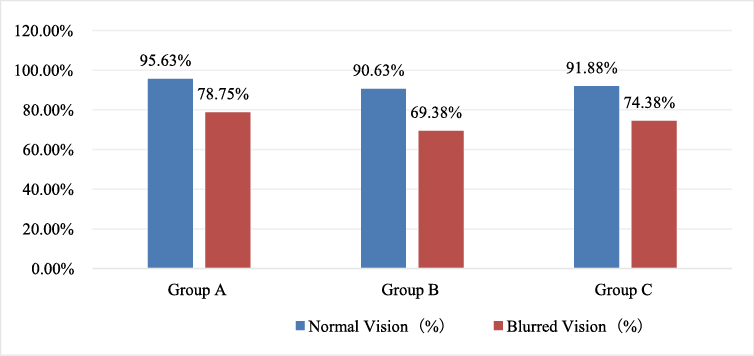
Figure 1 Comparison of recognition accuracy between normal and blurred vision in a quiet environment
Does this phenomenon also occur in individuals with normal vision? The essence of the “difficulty hearing clearly when removing glasses” phenomenon lies in how blurred visual information affects auditory perception. Therefore, we designed Experiment 4 with visually normal volunteers, placing glasses in front of a smartphone lens to simulate the visual environment of individuals with myopia and create visual blurring. As shown in Figure 1, under quiet conditions, Group A exhibited a significant difference in recognition accuracy between visual normality and visual blurring states. This indicates that even in a quiet environment, normal vision individuals can achieve results comparable to Groups B and C when exposed to simulated myopic visual blurring.
Furthermore, the author designed Experiments 5, 7, and 8 to compare the recognition accuracy between individuals with normal vision and those with blurred vision in noisy environments. As shown in Figure 2, the experimental data from the noisy environment provide an exploratory perspective on this phenomenon. Although the “having difficulty hearing clearly when removing glasses” phenomenon was observed, due to the high level of background noise, these findings should be interpreted with caution. It suggests that this phenomenon might exist in noisy environments, but further rigorous control of noise levels is needed to draw a definitive conclusion.

Figure 2 Comparison of recognition accuracy between normal and blurred vision in a noisy environment
3.2 Comparative Analysis of the Impact of Visual Deficits and Blurriness on Auditory Perception
Through prior validation, it has been confirmed that visual blurring significantly affects auditory perception. This leads to a further question: since partial visual interference (blurriness) impairs auditory processing, what would happen if visual information is completely removed?
To investigate this issue, the author designed an experimental group with occluded eyes (i.e., complete absence of visual information) (Experiments 2 and 6), defining the “normal-blurred” information reception loss rate as the difference between recognition accuracy under normal visual conditions and blurred visual conditions (the “normal-absent” information reception loss rate was defined similarly). The resulting data are shown in Figures 3 and 4. The data indicate that information loss rates under blurred visual conditions are significantly higher than those under normal vision, regardless of the ambient noise level. Therefore, the author draws a preliminary conclusion: visual perception is not necessarily more difficult under blurred conditions; conversely, the information reception loss rate caused by complete visual information absence is actually lower than that under visual blurred conditions.

Figure 3 Comparison of information reception loss rate between visual loss and blur in a quiet environment
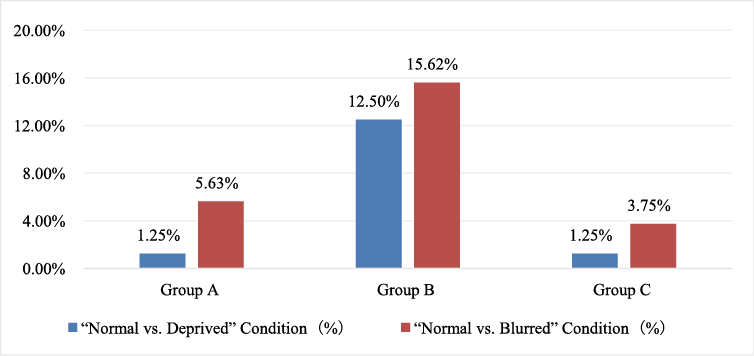
Figure 4 Comparison of information reception loss rate between visual loss and blur in a noisy environment
3.3 Comparative Analysis of the Impact of Corpus Frequency on Auditory Perception
Prior to designing the experiment, the author hypothesized that the frequency of use of the corpora might influence the intensity of the “unclear listening” phenomenon observed. To test this hypothesis, two corpora were selected: Group 1 consisted of materials frequently used over the past decade, while Group 2 comprised less commonly used materials from the last century. By comparing the intensity of the experimental phenomenon across the corpora, the author aimed to investigate the effect of corpus frequency on this phenomenon. To ensure consistent frequency differences, a questionnaire was designed to quantify the corpus frequency scores (0~10 points), and the average scores were calculated. The results showed that the average frequency score for Group 1 was 6.72, while that for Group 2 was 4.81, meeting the experimental requirements.
The author uses the “normal-blur information reception loss rate” to quantify the intensity of the experimental phenomenon; the higher the loss rate, the stronger the effect. The experimental data from the controlled quiet environment (Figure 5) demonstrate that the “normal-blur information reception loss rate” for Group 2 was higher than that for Group 1. These findings provide definitive support for the author’s hypothesis: the frequency of corpus usage influences the intensity of the “incomprehensibility” phenomenon—the higher the corpus usage frequency, the weaker the experimental effect. Furthermore, the exploratory data from the noisy environment (Figure 6) also exhibited a consistent trend, providing additional preliminary support for this conclusion, although these latter findings should be interpreted with caution due to the previously mentioned noise limitations.
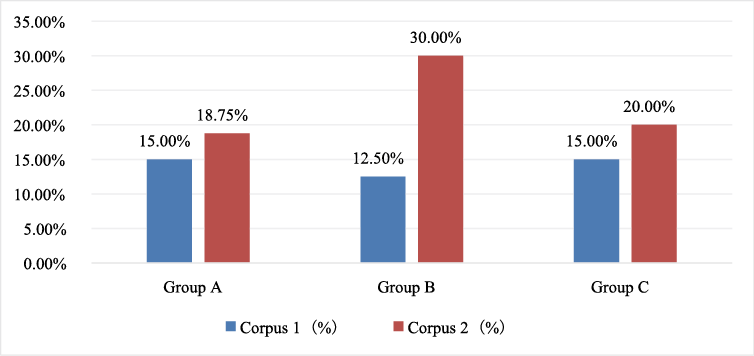
Figure 5 Comparison of the “normal-blur” information reception loss rate of two corpora in a quiet environment
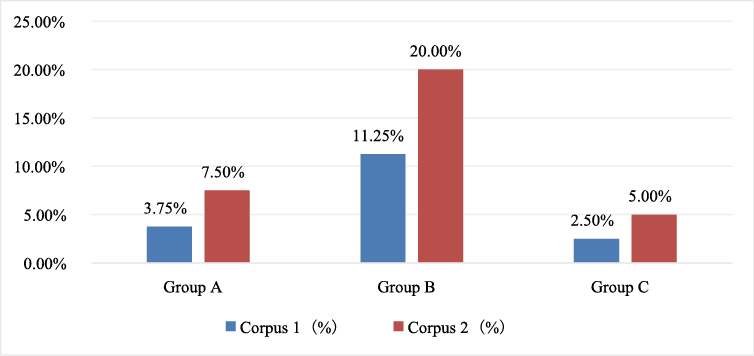
Figure 6 Comparison of the “normal-blur” information reception loss rate of two corpora in a noisy environment
3.4 Individual Differences
In this experiment, some volunteers exhibited significant deviations from the mean values of their respective groups, as shown in Figures 7, 8, and 9.
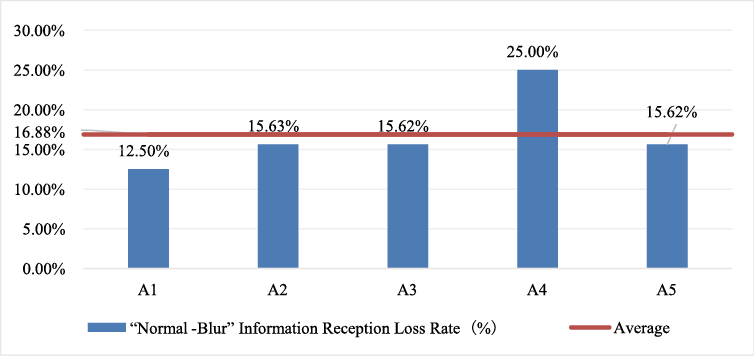
Figure 7 “Normal-blur” information reception loss rate of Group A in a quiet environment
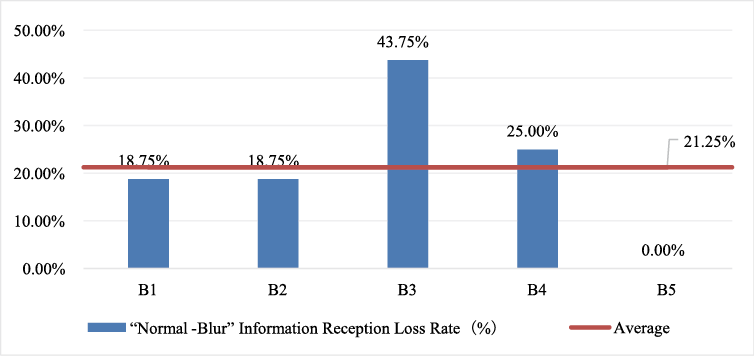
Figure 8 “Normal-blur” information reception loss rate of Group B in a quiet environment
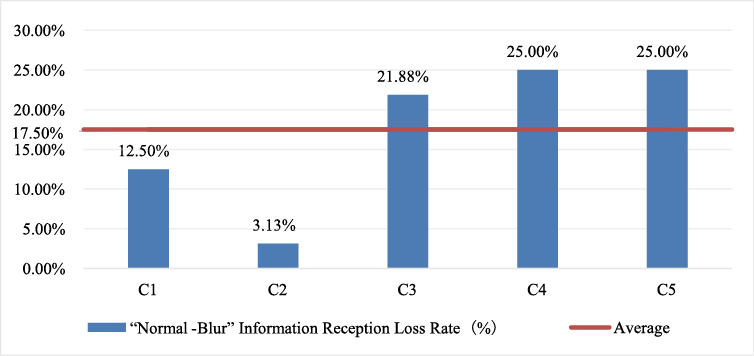
Figure 9 “Normal-blur” information reception loss rate of Group C in a quiet environment
4 Discussion
4.1 Analysis of the Causes of the “Losing Hearing When Taking Off Glasses” Phenomenon
4.1.1 Causal Analysis from the Perspective of Multisensory Integration
What are the underlying mechanisms of the phenomenon commonly described as “difficulty hearing clearly when glasses are removed”? According to previous research, our perception of the external environment is a process of multisensory integration, in which the brain combines information from different sensory channels into a unified, coherent, and meaningful perceptual experience (Stein & Stanford, 2008). Based on this, the author hypothesizes that individuals with myopia experience impaired hearing after removing their glasses, likely because visual blurring disrupts multisensory integration.
However, this hypothesis requires further validation to rule out other possible explanations. In particular, we need to consider whether myopia itself may induce certain physiological changes, necessitating that individuals with myopia rely on multisensory integration mechanisms to perceive external information. To address this question, we investigated whether the same phenomenon applies to individuals with normal vision, for which we designed Experiment 4.
The results of Experiment 4 demonstrated that even individuals with normal vision achieved results similar to those of Groups B and C when exposed to visual stimuli simulating myopia. Therefore, we can rule out physiological changes due to myopia as the direct cause of the phenomenon of “difficulty hearing when removing glasses”, and instead suggest that this is a common manifestation of the human multisensory integration mechanism.
4.1.2 Cause Analysis from the Perspective of Cognitive Load
The comparative analysis of the effects of visual loss and blurring on auditory perception in experimental results reveals that complete visual information loss results in a lower information reception loss rate than visual blurring. This phenomenon indicates that the phenomenon of “having difficulty hearing when removing glasses” is not solely attributable to multisensory integration; from the perspective of cognitive load theory, blurred visual information constitutes an additional cognitive burden. When visual information is blurred but not entirely absent, the brain must allocate greater cognitive resources to interpret this ambiguous information while simultaneously processing auditory input, leading to competition and dispersion of cognitive resources. Consequently, under visual blurring conditions, individuals may experience reduced effective integration of auditory information due to inefficient visual processing, directly manifested as an increased information reception loss rate.
In the absence of visual input, the brain may adapt by reallocating cognitive resources originally dedicated to visual processing toward the auditory modality. This reallocation allows the auditory system to gain greater attention and processing capacity, thereby partially compensating for the limitations caused by visual deficiency. In such cases, despite the complete loss of visual input, the auditory system may exhibit enhanced sensitivity and efficiency by reducing competition with other sensory channels.
In conclusion, the author argues that the phenomenon of “having difficulty hearing clearly when removing glasses” results from the combined effects of the multisensory integration mechanism and the cognitive load theory. Visual blur interferes with the brain’s ability to integrate visual and auditory information into a unified perceptual experience and increases cognitive processing demands, thereby impairing the comprehension and processing of auditory information (i.e., auditory ability). Consequently, the perceived difficulty in hearing after removing glasses does not reflect a genuine decline in actual hearing (i.e., the physiological capacity of the ears to receive sound signals), but rather a subjective sensation arising from multisensory integration impairment and heightened cognitive load induced by visual blur, which subsequently compromises the comprehensive processing of auditory information. This sensation reflects a limitation in auditory ability under specific circumstances rather than an intrinsic impairment of hearing itself.
4.2 Analysis of the Reasons Why Corpus Frequency Affects Auditory Perception
The aforementioned experimental results indicate that the frequency of corpus usage influences the intensity of the “incomprehensibility” phenomenon: the higher the corpus frequency, the weaker this phenomenon becomes. The author will elucidate the underlying reasons using semantic expectation theory—a concept referring to listeners’ ability to predict upcoming information based on context and prior knowledge during language comprehension (Pickering &
Gambi, 2018). When a corpus is frequently used, listeners typically possess extensive background knowledge and familiar linguistic patterns, enabling them to form accurate expectations about subsequent information through well-established Semantic Expectation and cognitive frameworks. Such expectations not only accelerate language processing but also facilitate information supplementation and correction via contextual cues when auditory input is ambiguous or absent, thereby mitigating the impact of incomprehensibility.
Conversely, for less common linguistic materials, listeners lack the necessary background knowledge and language patterns to form effective Semantic Expectation. When auditory information is ambiguous, listeners struggle to infer and comprehend the content through contextual cues, making the information decoding process significantly more challenging and exacerbating the phenomenon of “incomprehensibility”. Furthermore, such materials often contain more unfamiliar or complex vocabulary and uncommon sentence structures, which inherently increase the difficulty of clear listening and understanding. In the absence or ambiguity of visual information, listeners must exert greater cognitive effort to process this complex information, a process that may further intensify the issue of “incomprehensibility”.
4.3 Visual Compensation Mechanism and Semantic Expectation
The counter-intuitive phenomenon observed in Experiment 3—where individuals with moderate-to-high myopia (Group C) outperformed those with mild myopia (Group B) under visual blur, particularly when processing low-frequency corpora—can be explained by the interaction between a long-term sensory cross-modal compensation mechanism and semantic expectations. Individuals with moderate-to-high myopia frequently experience severe visual blur in their daily lives. Over time, their central nervous system may undergo cross-modal plasticity, adapting to this chronic visual deficit by enhancing their reliance on and sensitivity to auditory information. When faced with low-frequency, unfamiliar sentences where top-down semantic prediction is weak, Group C could better utilize their compensatory auditory processing skills to decode the speech. In contrast, individuals with mild myopia typically retain relatively functional vision and lack this deep degree of auditory compensation. Therefore, when suddenly subjected to complete visual blur and lacking semantic context, their information reception system suffered a breakdown, resulting in poorer performance than Group C.
4.4 Analysis of Individual Differences
In this experiment, some volunteers exhibited significant deviations from the mean values of their respective groups. Regarding these individual variations, the author proposes the following potential explanations:
4.4.1 Communication Habits
Volunteers’ daily communication habits serve as a subjective factor influencing the intensity of experimental phenomena. Volunteers who habitually fixate on speakers during interactions may struggle to clearly perceive non-verbal cues—such as mouth movements, facial expressions, and gestures—after removing their glasses due to visual blurring. These cues play a crucial supporting role in communication; their absence can impair understanding of verbal information, resulting in a perception of unclear speech.
Volunteers who habitually communicate with their heads lowered may exhibit a relatively higher dependence on verbal information after removing their glasses, as their gaze becomes more focused on the ground or other non-interlocutors. Consequently, even in cases of visual impairment, their perception of verbal information may be less affected, and the phenomenon of unclear hearing becomes less pronounced.
4.4.2 Self-Hearing Ability
The volunteers’ own hearing also serves as a subjective factor influencing the intensity of experimental phenomena. Volunteers with better hearing, after removing their glasses, benefit from a more robust auditory system, enabling them to more effectively capture and process verbal information; thus, visual blurring has minimal impact on their hearing. In contrast, volunteers with poorer hearing, after removing their glasses, rely more heavily on visual information for speech comprehension due to the limitations of their auditory system; consequently, when visual information is unclear, they experience greater difficulty in understanding speech.
4.4.3 Level of Familiarity
The volunteers familiarity with the speaker also serves as a subjective factor influencing the intensity of experimental phenomena. When interacting with acquaintances, volunteers are more familiar with the speaker’s linguistic habits, accent, and typical expressions. This familiarity enables them to accurately comprehend the speaker’s meaning through auditory cues even when vision is impaired after removing their glasses. In contrast, when communicating with strangers, volunteers may lack familiarity with the speaker’s speech patterns, accent, and expression styles. In such cases, the absence of visual information makes it more difficult for volunteers to accurately understand the speech content, resulting in a perception of unclear hearing.
4.5 Experimental Summary and Improvement
4.5.1 Issues in This Experiment
During the design of the experiment, the author hypothesized that in noisy environments, where auditory information is difficult to capture effectively, volunteers would rely more heavily on visual information, thereby intensifying the experimental phenomenon of “having difficulty hearing when removing glasses”.
The findings were evident. To verify this hypothesis, the author designed four experimental groups, each in quiet and noisy environments, aiming to draw predetermined conclusions by comparing the information reception loss rates under these two conditions.
However, since the noisy environment used in this experiment was created by editing and adding background noise from the author’s previous quiet environment experiment video without properly controlling the volume, the background noise was excessively loud. Consequently, although the “difficulty hearing clearly when removing glasses” phenomenon was observed in the noisy environment, hearing clarity remained impaired whether under normal or blurred visual conditions. This resulted in poor experimental discrimination, failing to produce the more pronounced effect anticipated—that is, greater difficulty in hearing compared to the quiet environment—as originally hypothesized. Therefore, the data from Experiments 5–8 are retained and presented solely as exploratory analyses rather than definitive conclusions, highlighting the need for more precise noise control in future studies.
4.5.2 Subsequent Experimental Improvements
(1) Precise control of noisy environments: To address the issues identified in this experiment, subsequent experiments will employ a series of background sounds at varying volumes. Through pilot testing, we will determine an optimal volume level that neither significantly masks speech sounds nor impairs auditory information acquisition. This approach ensures experimental validity while enhancing discrimination capability.
(2) Refining the myopia severity gradient: In this experiment, the authors merely categorized myopic individuals into mild myopia and moderate-to-high myopia groups. In subsequent experiments, we can further refine the myopia severity gradient to investigate its impact on information reception loss rates.
(3) Impact of familiarity level: During this experiment, analysis of individual differences among volunteers revealed that the familiarity level between volunteers and speakers may also influence experimental outcomes. Therefore, future studies could conduct batch analyses with additional control groups comprising both familiar and unfamiliar participants.
(4) Implementing varying degrees of visual blurring: This experiment demonstrates that individuals with normal vision exhibit behaviors similar to those of myopic individuals— “having difficulty hearing when removing their glasses” —under visual blurring conditions. However, the blurring effect simulated in this experiment involved a single myopia degree. In subsequent experiments, we can apply blurring effects with different degrees to investigate how the responses of sighted individuals and myopic individuals differ under identical visual blurring conditions.
(5) Extension to multilingual native speakers: As a tone-based language, Chinese relies heavily on tonal variations for meaning transmission. Native Chinese speakers primarily rely on auditory perception to distinguish tones and comprehend communication, with relatively low dependence on visual cues. In contrast, languages like English also utilize intonation and stress, but their meaning transmission mechanisms differ from those of Chinese tones; English native speakers may therefore rely more on visual information for comprehension during communication. This demonstrates that linguistic diversity can influence experimental phenomena. Since this study was limited to Chinese native speakers, future experiments could involve volunteers from diverse linguistic backgrounds.
5 Conclusion
This study designed a series of experiments to thoroughly investigate the phenomenon of “having difficulty hearing when removing glasses”, revealing its underlying mechanisms: interference with multisensory integration and attentional distraction caused by increased cognitive load. Experimental results demonstrate that visual blurring significantly modulates auditory information processing, with the frequency of word usage in the corpus playing a crucial role in modulating the intensity of this effect. Building upon this, the study revealed a counterintuitive phenomenon: under complete visual blur, individuals with moderate-to-high myopia unexpectedly exhibited superior auditory processing capabilities compared to mild myopic individuals, particularly when processing low-frequency corpora. This uncovers the profound impact of long-term visual cross-modal compensation combined with top-down semantic expectations. These findings not only deepen our theoretical understanding of human perceptual processes but also provide a new perspective for exploring the mechanisms by which visual impairments influence auditory processing.
At the theoretical level, this study further validates the applicability of the cognitive load theory in multisensory information integration, introduces the concept of cross-modal sensory compensation into this context, expands the application scope of multisensory integration research, and provides strong support for future research. By investigating the interference mechanism of visual ambiguity on auditory integration, it also enhances our understanding of the brain’s perceptual system.
In practical applications, this paper offers valuable insights for rehabilitation training and assistive technology design for individuals with visual impairments. Understanding how visual blurring affects the reception and integration of auditory information facilitates the development of more effective rehabilitation strategies and assistive devices to enhance the auditory and other sensory capabilities of visually impaired individuals. This not only improves their quality of life but also promotes their social integration and advances social inclusion.
Future research could refine the analysis of corpus features, such as examining how lexical difficulty and sentence complexity interact with visual information, to more comprehensively elucidate their effects on the processes of auditory information comprehension and recognition. Additionally, long-term tracking studies and cross-modal experiments could be conducted to investigate the lasting impact of visual ambiguity on auditory processing longitudinally, and to examine how other sensory channels compensate for the absence of auditory information under visual ambiguity conditions. This would contribute to a deeper understanding of brain neural remodeling and sensory compensation mechanisms. Furthermore, these studies could inform the development of training and optimization strategies aimed at maximizing the potential of other senses in individuals with visual limitations.
In conclusion, this study not only provides a scientific explanation for the phenomenon of “having difficulty hearing when removing glasses”, but also offers valuable insights for multisensory integration research, the design of rehabilitation strategies for individuals with visual impairments, and the development of assistive technologies. It is anticipated that future research will yield more profound findings, advancing the field of human cognitive science.
Acknowledgements
This research, encompassing conceptualization, experimental design, and execution, was supported by various individuals and institutions.
First and foremost, I would like to express my deepest gratitude to my advisor, Professor Liu Wen from the School of Literature at Shandong University. Professor Liu provided invaluable guidance on experimental methodology and the logical framework of this thesis. His rigorous academic approach, keen scholarly insight, and encouragement of undergraduate academic innovation have been immensely beneficial to me. Whenever my research encountered bottlenecks, Professor Liu’s guidance always provided a breakthrough, and the final completion of this study would not have been possible without his dedication.
Secondly, we extend our sincere gratitude to the 15 volunteers who participated in this audiovisual integration experiment. It is precisely due to your active cooperation and patient participation throughout the complex experimental procedures that this study was able to obtain authentic and valid data and samples, thereby ensuring the reliability and scientific validity of the experimental conclusions.
Finally, I would like to express my gratitude to the School of Literature at Shandong University for providing an excellent academic environment for this research. In my future academic endeavors, I will continue to uphold a rigorous and pragmatic approach, persistently studying and exploring the field of language cognition science.
References
[1] Barthes, R. (1977). Rhetoric of the image. In S. Heath (Ed.), Image, Music, Text (pp. 32–51). Hill and Wang.
[2] Gu, Y. G. (2015). Multimodal sensory systems and language research. Contemporary Linguistics, 17(4), 448–469.
[3] Halliday, M. A. K. (1978). Language as Social Semiotic: The Social Interpretation of Language and Meaning. Edward Arnold.
[4] Kintsch, W. (1998). Comprehension: A paradigm for Cognition. Cambridge University Press.
[5] Kress, G., & Van Leeuwen, T. (2001). Multimodal Discourse: The Modes and Media of Contemporary Communication. Oxford Univ Pr.
[6] McGurk, H., & MacDonald, J. (1976). Hearing lips and seeing voices. Nature, 264(5588), 746–748.
[7] Pickering, M. J., & Gambi, C. (2018). Predicting while comprehending language: A theory and review. Psychological Bulletin, 144(10), 1002–1044.
[8] Sekiyama, K., & Tohkura, Y. (1991). McGurk effect in non-English listeners: Limited visual effects for Japanese subjects perceiving highly intelligible Japanese syllables. The Journal of the Acoustical Society of America, 90(4), 1797–1805.
[9] Stein, B. E., & Stanford, T. R. (2008). Multisensory integration: Current issues from the perspective of the single neuron. Nature Reviews Neuroscience, 9(4), 255–266.
[10] Sweller, J. (1988). Cognitive load during problem solving: Effects on learning. Cognitive Science, 12(2), 257–285.
Appendix
(1) Volunteer Information
Table 1 Volunteer Information Sheet
|
number |
sex |
age |
strength of glasses |
|
Group A1 |
man |
19 |
No myopia |
|
Group A 2 |
woman |
19 |
No myopia |
|
Group A 3 |
man |
18 |
No myopia |
|
Group A 4 |
woman |
23 |
No myopia |
|
Group A 5 |
woman |
19 |
No myopia |
|
Group B 1 |
man |
23 |
125 degrees |
|
Group B 2 |
man |
48 |
225 degrees |
|
Group B 3 |
woman |
19 |
280 degrees |
|
Group B 4 |
man |
11 |
150 degrees |
|
Group B 5 |
woman |
19 |
175 degrees |
|
Group C1 |
woman |
19 |
375 degrees |
|
Group C2 |
woman |
19 |
475 degrees |
|
Group C3 |
woman |
45 |
500 degrees |
|
Group C 4 |
woman |
19 |
500 degrees |
|
Group C 5 |
man |
19 |
575 degrees |
(II) The Corpus Used in the Experiment
Table 2 Frequency Scores of Experimental Corpus
|
group |
order number |
corpus |
Test Question |
in common use Leveling Average Score |
|
Group 1 |
1 |
A Xiaohongshu blogger was live-streaming product promotions when curious viewers approached her to engage in conversation. |
1. What is a Xiaohongshu blogger doing? 2. What did the curious visitors do next? |
5.81 |
|
2 |
It is the expression of ideas that embodies warmth and artistic merit that forms the very foundation of stand-up comedy. |
1. What kind of ideological expression is meant? 2. What aspect of stand-up comedy does this expression of thought represent? |
5.36 |
|
|
3 |
Some homestays are located in excellent locations. It is absolutely beautiful from sunrise to sunset. |
1. What has a great geographical location? 2. Which time period is the most beautiful? |
6.81 |
|
|
4 |
In the era of economic globalization, many multinational enterprises explicitly advocate expanding overseas markets. |
1. In what era? 2. What propositions have many multinational enterprises explicitly put forward? |
6.36 |
|
|
5 |
With five consecutive victories in the qualifying rounds, this team secured their Olympic berth. |
1. How many wins did the qualifying round achieve? 2. What has this team gained as a result? |
6.45 |
|
|
6 |
We must promote the creative transformation and innovative development of China’s outstanding traditional culture. |
1. What should be promoted? 2. What does promoting the above solution achieve? |
8.09 |
|
|
7 |
Having witnessed countless cases of people losing everything due to scams, Zhang Chao decided to venture into short video production. |
1. What kinds of cases has Zhang Chao encountered? 2. So what did he decide to do? |
6.36 |
|
|
8 |
My specialty is farmhouse cuisine, and every guest who dines at my home praises its deliciousness. |
1. What is my strongest skill? 2. Who says it’s delicious? |
6.64 |
|
|
9 |
He was extremely impatient with everything; if asked a few more questions, he would turn away and pretend to be asleep. |
1. What is his attitude? 2. What will happen to him after I ask a couple more questions? |
5.64 |
|
|
10 |
We must learn from and carry forward the spirit of Huang Wenxiu, and work diligently to serve our fellow villagers. |
1. Whose spirit should we uphold? 2. How is this person’s spirit specifically manifested in the sentence? |
8.09 |
|
|
11 |
From the very first day of winter break, the child spent every day glued to their phone playing video games. |
1. When did this start? 2. What do the children do every day? |
7.36 |
|
|
12 |
We will optimize the online teaching service platform, eliminate low-quality courses, and develop high-quality courses. |
1. What should we eliminate? 2. What are we trying to create? |
6.73 |
|
|
13 |
Last summer, he received an order for 4,000 yuan worth of water peaches via live streaming. |
1. How did he receive the order? 2. What amount of order have you received? |
6.27 |
|
|
14 |
Many ecological parks have become popular leisure destinations for local residents, as well as highly sought-after check-in spots on social media. |
1. What place has become a popular social media check-in spot? 2. Has it become an important option in leisure plans? |
6.09 |
|
|
15 |
Approximately 340 impoverished counties across the country will be lifted out of poverty, enabling over 10 million people to escape poverty. |
1. Which aspect of China’s achievements does this statement refer to? 2. How many people were mentioned? |
7.45 |
|
|
16 |
Although people’s material lives have become more affluent today, anxiety has also emerged at the spiritual level. |
1. What aspects of people’s lives have become more enriched? 2. At which level did anxiety manifest? |
7.18 |
|
|
17 |
Currently, most of the teams participating in the Tokyo Olympics have entered the final sprint phase of their preparations. |
1. Where were the Olympic Games held in this sentence? 2. What stage have we entered? |
6.27 |
|
|
18 |
It’s not easy for ordinary people to earn a decent income; achieving a world free from fraud is my greatest dream. |
1. What’s not easy for ordinary people to do? 2. What is my greatest dream? |
6.55 |
|
|
19 |
The number of participants in China’s basic medical insurance has reached 1.34 billion, achieving near-complete coverage of the population. |
1. What does this sentence refer to in our country? 2. What has been basically achieved? |
7.27 |
|
|
20 |
Reading is the best habit, and classical humanities are the most precious source of spiritual nourishment. |
1. What is the best habit? 2. What is the most commendable aspect of classical humanities? |
7.27 |
|
|
21 |
Tens of thousands of medical workers rushed to Wuhan without hesitation from all over the country. |
1. Tens of thousands of what? 2. Where did they gather? |
7.45 |
|
|
22 |
We contacted university student volunteers to provide the children with unified homework tutoring. |
1. Who did we contact? 2. What should they do for the children? |
7.09 |
|
|
23 |
Make public welfare and environmental protection the core value of the program, thereby expanding the scope of variety shows. |
1. What should become the core value? 2. What is the purpose of doing this? |
6.73 |
|
|
24 |
Once the rice cakes are ready, let them cool in the courtyard, then slice them and fry in oil. |
1. Where should the prepared rice noodles be placed to cool? 2. What to do after cooling? |
5.90 |
|
|
Group 2 |
1 |
The direction is clearly defined; the challenge lies in striving to transform oneself. |
1. What is absolutely clear? 2. What is the problem? |
6.09 |
|
2 |
In the old machinery plant, the sound of motors rumbled all day, and the workers worked with great enthusiasm in the workshop to rush the production schedule. |
1. What sounded all day in the old machinery plant? 2. What did the workers rush in the workshop? |
4.27 |
|
|
3 |
Look, what month is this? This war isn’t the end—the two of my sons haven’t returned yet. |
1. What did the speaker fail to mention? 2. Why didn’t you come back? |
4 |
|
|
4 |
You see that wild horse in the main living room, right? I suspect I’ve taken the wrong path! |
1. Are there any wild horses in the living room? 2. What am I suspicious about? |
3.90 |
|
|
5 |
His sharp claws have torn away the face of nature, establishing a nest of wealth. |
1. What did his sharp claws tear apart? 2. What kind of nest should be established? |
4.27 |
|
|
6 |
The geological exploration team members spent years traveling through the uninhabited deep mountains, braving the elements to search for precious iron ore. |
1. Where did the exploration team members travel for years? 2. What were they searching for while braving the elements? |
4.00 |
|
|
7 |
The radio played light music, with its cheerful melodies echoing throughout the hall. |
1. Where is the light music playing? 2. Where does the cheerful melody echo? |
6.09 |
|
|
8 |
Comrade technician specially brought back a new type of hybrid rice seed from the provincial capital, intending to try planting it throughout the county. |
1. Where did comrade technician bring back the seeds from? 2. Where did they intend to try planting this new type of seed? |
4 |
|
|
9 |
The opera continued until after midnight; the weather was bitterly cold, the gongs and drums sounded mournfully, and most of the children had already fallen asleep. Dozing off in front of the altar. |
1. When will the performance end? 2. What did the child do before the altar? |
4.18 |
|
|
10 |
In the railway station dispatch room early in the morning, the dispatcher is sending the latest operation commands to a distant freight locomotive via a wired telegraph. |
1. Via what device is the dispatcher sending commands to the freight locomotive? 2. Where are they working early in the morning? |
4.64 |
|
|
11 |
Apart from a few elderly people who have no means of labor and must find other ways to make a living, there is also a household without any land. |
1. Who should be removed? 2. Besides these people, how many other households do not own land? |
4.09 |
|
|
12 |
Therefore, the organization did not adopt a policy of blindly tolerating the crisis, but instead focused on developing core projects. |
1. What policy did the organization not adopt? 2. What did the organization focus on developing? |
4.00 |
|
|
13 |
Because the restoration process of ancient books was extremely complex and lacked professional tools, this antique book-binding workshop specially ordered a batch of wooden flattening machines. |
1. Why did this book-binding workshop specially order new equipment? 2. What kind of machines did they specially order? |
4.64 |
|
|
14 |
The cooperation between new and old team members should be well maintained; they must not be easily influenced or disrupted by external rumors. |
1. Whose cooperation relationship needs to be well maintained? 2. What should they not be easily influenced by? |
4.55 |
|
|
15 |
Inside the mountaintop astronomical observatory far from the city, the young assistant is working with the researcher to adjust the giant refracting telescope with extreme patience. |
1. Inside what observatory far from the city is the young assistant working? 2. What equipment are they adjusting with extreme patience? |
5.27 |
|
|
16 |
The warm breeze of modern agricultural science and technology has finally reached this remote and quiet valley. |
1. What technology’s warm breeze has reached the valley? 2. How was the valley described in the past? |
6.27 |
|
|
17 |
Leveraging the comprehensive advantages of modern irrigation systems, the new standards for crop planting were fully implemented. |
1. What system’s comprehensive advantages were leveraged? 2. What standards were fully implemented? |
4.73 |
|
|
18 |
This comrade who lost his train ticket must be extremely anxious—how could that be? |
1. What did this comrade lose? 2. How is this comrade feeling? |
5.64 |
|
|
19 |
According to the long-term records of the meteorological observation station, the spring river flood season in this basin is closely related to the snow melting speed on the surrounding high mountains. |
1. According to the long-term records of what station was the relation found? 2. The spring river flood season in this basin is closely related to what speed on the surrounding high mountains? |
5.91 |
|
|
20 |
All day long, they frown and worry about their family’s food and clothing—how much money can they actually earn from carrying heavy items? |
1. What are they worried about? 2. What professions do they think don’t pay well? |
4.73 |
|
|
21 |
The old radio loudspeaker in the corner is playing a slow-paced string piece, adding a touch of primitive charm to the quiet wooden courtyard. |
1. What old device in the corner is playing the piece? 2. It adds a touch of primitive charm to what quiet courtyard? |
5.09 |
|
|
22 |
For those traditional antique merchants, the brand reputation itself constituted their core private asset. |
1. For which type of merchants is this statement made? 2. What constituted their core private asset? |
4.55 |
|
|
23 |
The most important thing is to go to the forefront of the industry and humbly learn from senior experts’ approach to field research. |
1. What is the most important place to go to? 2. Whose approach to research should be learned from? |
5.73 |
|
|
24 |
In the library, because everyone keeps quiet, the students’ overall reading efficiency is very high. |
1. Where does everyone keep quiet? 2. What efficiency of the students is very high? |
4.82 |
(Ⅲ)Experimental Data
General Note on Experimental Data: In the following tables, Group A represents volunteers with normal vision; Group B represents volunteers with mild myopia; and Group C represents volunteers with moderate-to-high myopia.
Please note that data for certain groups are intentionally omitted in specific tables due to the experimental design:
(1) Tables 5 and 9 (corresponding to Experiments 3 and 7) only display data for Groups B and C. This is because these experiments involved the specific action of “removing glasses”, which is not applicable to the normal vision group (Group A).
(2) Conversely, Tables 6 and 10 (corresponding to Experiments 4 and 8) only display data for Group A. These experiments were specifically designed to simulate blurred visual conditions for participants with normal vision, serving as a controlled comparison to the myopia groups. Therefore, the data for Groups B and C are not included in these tables.
Table 3 Data of Experiment 1
|
number |
recognition accuracy rate |
||
|
Group 1 corpus |
Group 2 corpus |
General Corpus |
|
|
Group A Average |
96.25% |
95% |
95.63% |
|
Group B Average |
88.75% |
92.5% |
90.63% |
|
Group C Average |
90% |
93.75% |
91.88% |
Table 4 Data of Experiment 2
|
number |
recognition accuracy rate |
||
|
Group 1 corpus |
Group 2 corpus |
General Corpus |
|
|
Group A Average |
96.25% |
91.25% |
93.75% |
|
Group B Average |
82.5% |
83.75% |
83.13% |
|
Group C Average |
86.25% |
83.75% |
85.00% |
Table 5 Data of Experiment 3
|
number |
recognition accuracy rate |
||
|
Group 1 corpus |
Group 2 corpus |
General Corpus |
|
|
Group B Average |
76.25% |
62.5% |
69.38% |
|
Group C Average |
75% |
73.75% |
74.38% |
Table 6 Data of Experiment 4
|
number |
recognition accuracy rate |
||
|
Group 1 corpus |
Group 2 corpus |
General Corpus |
|
|
Group A Average |
81.25% |
76.25% |
78.75% |
Table 7 Data of Experiment 5
|
number |
recognition accuracy rate |
||
|
Group 1 corpus |
Group 2 corpus |
General Corpus |
|
|
Group A Average |
92.5% |
86.25% |
89.38% |
|
Group B Average |
78.75% |
78.75% |
78.75% |
|
Group C Average |
81.25% |
78.75% |
80.00% |
Table 8 Data of Experiment 6
|
number |
recognition accuracy rate |
||
|
Group 1 corpus |
Group 2 corpus |
General Corpus |
|
|
Group A Average |
88.75% |
87.5% |
88.13% |
|
Group B Average |
62.5% |
70% |
66.25% |
|
Group C Average |
86.25% |
71.25% |
78.75% |
Table 9 Data of Experiment 7
|
number |
recognition accuracy rate |
||
|
Group 1 corpus |
Group 2 corpus |
General Corpus |
|
|
Group B Average |
67.5% |
58.75% |
63.13% |
|
Group C Average |
78.75% |
73.75% |
76.25% |
Table 10 Data of Experiment 8
|
number |
recognition accuracy rate |
||
|
Group 1 corpus |
Group 2 corpus |
General Corpus |
|
|
Group A Average |
88.75% |
78.75% |
83.75% |