Current Views: 11327
 Current Downloads: 8040
Research on Art Design
ISSN Print:2789-0716
ISSN Online:2789-0724
Contact Editorial Office



Subscribe to the latest published information from SCISCAN
Research on Packaging Innovation Design of Jinxiu Yao Black Tea Based on AIGC


-
Information:
Guangxi Normal University of Science and Technology, Laibin
-
Keywords:
Generative artificial intelligence; Jinxiu Yao black tea; Tea packaging design; Visual translation; LoRA model
- Abstract: Under the dual background of national cultural digitization strategy and brand upgrading of local characteristic agricultural products, this paper takes the problems of shallow symbolism, homogenization of visual expression and weakening of brand recognition in the packaging design of Jinxiu Yao black tea as the research object. Based on the memetic theory and generative artificial intelligence design method, a research framework of “memetic extraction visual grammar modeling, AIGC generation and translation, man-machine collaborative evaluation, packaging system optimization” was established. In this study, the core cultural factors of Jinxiu Yao black tea were extracted from four dimensions of Panhu to terms, Yao embroidery patterns, tea customs and the history of Gong tea and then these factors were transformed into image samples that could be recognized and generated by AIGC, color coding, cue word rules and style constraints. Then, the LoRA fine-tuning model was used to complete the visual translation between the national patterns and the modern packaging layout, which provided a new method reference for the digital transformation of the visual resources of intangible cultural heritage and the brand construction of local agricultural products.
- DOI: 10.35534/rad.0202006
- Cite: Kuang, M. Z., Qin, W. W., Liang, Z. H., & Xu, J. W. (2026). Research on Packaging Innovation Design of Jinxiu Yao Black Tea Based on AIGC. Research on Art Design, 2(2), 56−63.
The report of the 20th National Congress of the Communist Party of China proposed to “promote cultural confidence and self-improvement, cast new splendor of socialist culture”, and stressed the “implementation of the national cultural digitization strategy” (Xi, 2022). Subsequently, the Overall Layout Plan for the construction of Digital China further pointed out that the new potential of digital technology to empower cultural innovation should be released (CPC Central Committee & State Council of China, 2023). Under the guidance of this top-level design, traditional cultural resources are no longer just static display objects, but gradually become important design resources for regional brand construction, product value enhancement and cultural communication innovation. How to transform national cultural symbols into a visual system with modern aesthetics, brand recognition and market adaptability, with the help of emerging technologies such as generative artificial intelligence, has become a hot topic in current design research.
1 Review on the Development Status of Jinxiu Yao Black Tea Brand and Packaging Design Problems
The cultivation of Jinxiu Yao black tea has a history of thousands of years. Since the Qing Dynasty, local tea products such as Bainiu tea in Luoxiang Township and Dongwentea in Dazhang Township have a high reputation for outstanding quality. There are also records about the quality characteristics of Xiangzhou tea and Yaoshan tea in the Xiangxian County Records of the Republic of China, which shows that Jinxiu Yao black tea is not a simple agricultural product resource, but a compound cultural carrier with historical narrative, regional culture and national life memory (Guangxi Daily, 2025).
The black tea industry in contemporary Jinxiu has gradually shifted from the traditional decentralized large-scale to the centralized mode of production, from the “scattered weak small” to the “chain group” mode (Guangxi Daily, 2025). In this process of transformation, the value improvement of Jinxiu Yao black tea no longer only depends on the tea quality itself, but also depends on the brand visual image, cultural communication ability and consumption scene construction. As the first visual medium for consumers to contact products, packaging design not only undertakes the functions of protection, storage and sales, but also undertakes the functions of regional culture identification, brand value communication and consumer psychology guidance. Therefore, how to transform the ecological quality, Yao culture and local history of Jinxiu Yao black tea into a brand visual system with market recognition through packaging design is an important link to promote its brand upgrading. However, from the current situation, Jinxiu Yao black tea still belongs to the key stage of transformation from product resource advantages to brand equity advantages. On the one hand, the local resources have not been fully developed; on the other hand, the packaging visual system has not yet formed a stable enough symbol system and brand memory point. Therefore, the research on the packaging design of Jinxiu Yao black tea is essentially a design response to the transformation of brand value of local characteristic agricultural products with the help of cultural resources (Zhou et al., 2025).
1.1 General Situation and Branding Process of Jinxiu Yao Black Tea Industry
Currently jinxiu county county tea has reached 55400 mu of cultivated area, the main tea there are five leading enterprises and agricultural professional cooperatives is about more than 20, jinxiu county of guangxi dayaoshan black tea industry is in a “scattered small and weak” to “chain groups” acceleration is a key period of transition, jinxiu county from retail business to the “leading enterprises + cooperative + peasant household” model transformation, It has promoted the development of Yao black tea industry in Jinxiu. The branding process of Jinxiu Yao black tea is divided into three stages: in the first stage, driven by the system, it began to sprout and be certified. Under the unique geographical environment of Yao Autonomous County in Guangxi Zhuang Autonomous Region, the geographical indication certification plays a key “institutional role”, which is convenient to solve the problem of lack of trust in the initial period of the brand. The second phase is in the market, driven by the clustering and further expansion, the enterprise brand and regional brand form interaction, at the same time, with the help of tea abundantmeeting, famousagricultural products markets such as the selection activities to promote brand spread, however, generally exists in ethnic minority areas the brand culture symbol of shallow to borrow and deep into the contradiction, at the beginning of the jinxiu county tea cluster, Conform to the preliminary application of culture (YaoXiu, yellow drum), but especially serious homogeneity. The third stage is in the driving of the culture, the ancient tree resources, Yao culture into capital brands need, make its jinxiu county of guangxi dayaoshan value continuously jump of black tea, but there are still inadequate cultural expression, such as poor flexibility, brand visual unity weak market adaptation serious problem, if use the AI tool, By using AI tools, Yao embroidery and Huangni drum patterns can be deconformed, reorganized and recreated. AI generation can not only retain cultural genes to a certain extent, but also generate massive visual solutions in line with modern aesthetics. The intervention of AI can better promote the transition of Jinxiu Yao black tea branding from “factor-driven” to “innovation-driven”.
1.2 Cultural Expression Limitations and Market of Existing Tea Packaging Design
Guangxi Jinxiu Yao Autonomous County has rich Yao cultural resources, but the main problem of the current packaging design of Jinxiu Yao black tea is not that there are not enough cultural elements, but that the existing cultural resources have not been effectively transformed into a stable brand visual language. On the one hand, some designs directly stack Yao characters, Yao embroidery patterns, mountain landscapes, bronze drum graphics and other elements on the packaging surface. Made a “national wind” visual effects, but no meaning structure of totem faith, pattern, color and deeper interpretation, the memories associated with district do make cultural symbols to stay on the decoration level, on the other hand, the design and the serious problem of homogeneity of local tea packaging both compositions are similar, similar color selection, the main problem such as visual symbol is not clear, Making it impossible for consumers to quickly distinguish product origin, brand level and cultural differences through packaging. Packaging is the first visual bridge between products and consumers. If it is not possible to build a clear symbol system and narrative structure, it is impossible to transform local cultural resources into brand assets (Clement et al., 2013).
From the perspective of design and translation, tea packaging with national characteristics does not focus on simply “appropriating” national elements, but on transforming cultural resources into a complete visual system that can be identified, extended and transmitted. Jinxiu Yao black tea contains Panhu totems, Yao embroidery patterns, mountain ecology and tribute tea history, which correspond to different dimensions of cultural information such as belief narrative, pattern logic, regional landscape and time memory. Without systematic cultural gene extraction and visual coding, these resources are easily scattered in packaging design, and there will even be problems such as totemized entertainment, pattern misalignment, and color misuse. Therefore, establishing a design path from cultural gene identification to visual symbol translation is the basis for improving the cultural expression depth and brand recognition of Jinxiu Yao black tea packaging (Singh, 2006).
2 AIGC Empowers the Translation Mechanism of Jinxiu Yao Black Tea Packaging Design
The key to the packaging design of Jinxiu Yao black tea is not to simply overlay national patterns, totemic images or mountain landscapes, but to transform local cultural resources into a packaging visual system with identification, extensibility and communication. The significance of AIGC’s involvement in packaging design is not only to improve the efficiency of image generation, but also to form a translation mechanism from cultural resources to visual language through cultural sample construction, style model training, image generation and selection, and manual verification and correction.
In the technical path, the LoRA model is used for low-rank adaptation fine-tuning, so that the generated content naturally has the Yao style tendency. Cultural taboos such as “Panhu image should not be trivialized” and “sacred tree should not be used as ordinary decoration” are encoded as hard constraints for AI generation. After AI generation of the first draft, the accuracy of cultural expression is continuously improved through human-computer collaboration. In the concept of product packaging design culture and technology, the design of IP image is one of the indispensable inspirations; adding the design of IP image can improve the interest and vividness of product packaging design. The design of IP image is mainly based on the characteristic cultural genes of the Jinxiu Yao nationality, such as ancestor totem, natural imagery, Yao embroidery patterns, etc. The addition of the IP image can better promote the inheritance and development of Yao’s excellent culture.
Jinxiu Yao black tea is one of the most representative regional products in the Dayaoshan region. The cultural genes of the Yao nationality in Jinxiu are organically unified in three levels: explicit visual gene, behavior ritual gene and spiritual belief gene. The extraction of dominant visual genes is mainly based on the characteristic patterns of Yao, and each branch of Jinxiu Yao has its own preference in the extraction of patterns. For example, the patterns of Chashan Yao are matched by relatively simple geometric patterns and single-line stripes, among which the octagonal patterns and geometric dragon patterns are the most representative, which are the primary factors in the extraction of Chashan Yao cultural genes. The extraction of behavior ritual genes is mainly based on the living culture of Jinxiu Yao, such as tea picking, tea making technology and tea drinking customs. In packaging design, these behavior rituals are the key visual narrative clues. The extraction of the spiritual belief gene has been embodied by dogs and Panhu as the core totem in the Yaoshan area since ancient times. Panhu is one of the most representative of Yaoshan culture. It is usually considered the guardian god and ancestor of the Yao people, symbolizing the origin and migration history of the Yao people. Folk beliefs still have totemic worship, and cultural creations have been inherited for a long time, such as: In the packaging design of Miao silver ball tea, the patterns of Miao costumes are extracted as cultural genes, and then transformed into totem symbols with strong visual impact, which are applied as the main visual graphics of brand packaging together with the Miao tea logo. Different materials and processes are used to make it unpredictable, mysterious and elegant, reflecting the unique local cultural style of the tea. Therefore, its packaging design can extract the Yaoshan cultural elements to highlight the regional characteristics (Xie & Xu, 2021).
In the visual translation strategy of tea packaging, we will establish a targeted digital and innovative digital gene library for Jinxiu Yao black tea and use the AI model to improve the accuracy of the AI training style model and LoRA fine-tuning from the aspects of image preprocessing and color clustering analysis, dominant meme extraction, fusion design reconstruction and so on. We further analyze and extract the characteristic national culture of Jinxiu Yao, so that the AI can more effectively generate the design scheme of “Yao style + modern packaging layout” based on the strong cultural genes of the Yao. At the same time, we also integrate AI into each design stage of Jinxiu Yaoblack tea packaging, which is conducive to the formation of a complete set of workflows. In the creative generation stage, prompts such as “Yao flower basket Yao dress pattern + modern tea packaging” were input and the preliminary design scheme was generated through various AI modes such as Wensheng diagram, Tusheng diagram and style transfer in AI. Secondly, we need to continuously modify the generation instructions and manually constrain the AI auxiliary functions to form an efficient combination of manual hand-drawing adjustment, so as to further optimize the preliminary draft generated by AI. Finally, human-computer collaboration can train AI models more efficiently and more creatively, and promote AI’s accurate grasp of cultural connotation.
3 Technical Adaptability of Generative AI to Intervene in Local Characteristic Packaging Design
The packaging design of traditional local characteristic products usually faces systemic problems such as long modeling cycles, high trial-and-error costs, and difficulty in multi-version iteration. AIGC software and LoRA models can bring great changes to packaging design. AIGC technology can quickly create all kinds of Su embroidery pattern materials based on text-driven image generation ability. The LoRA model can better achieve accurate adjustment of the generated image style based on parameter fine-tuning, so as to match the traditional aesthetic paradigm of digital patterns and Yao copywriting. However, there is no doubt that the use of generative AI will also face some cultural logic problems worthy of attention, that is, the modeling and totems of Yao’s headdress (Panhu’s totems are the ancestor), collar patterns, clothing color matching, and the application of Yao’s cultural elements are all highly concise expressions of Yao’s culture, but the current AI model cannot truly understand the cultural connotation. However, the current AI model cannot truly understand the cultural connotation. Therefore, wrong cultural expressions are prone to occur during design, which will generate designs that are not in line with the cultural spirit of the Yao people, and even the design results are not logical (see Figure 1).
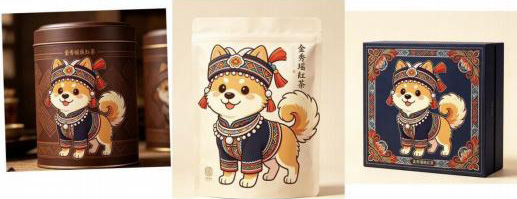
Figure 1 Error Diagram of Generative AI Logic Cultural Understanding
In order to solve some problems in the generation process of AI, a mechanism of “human-machine collaboration” can be established. Through the cooperation of designers and artificial intelligence, multiple design schemes can be made, and then the contents of Panhu image representation, Yao embroidery pattern restoration and color culture coding in the scheme can be achieved through Jinxiu intangible cultural heritage inheritors. Systematic evaluation (as shown in Figure 2, the packaging design diagram after logical error correction by human-computer collaboration). If the cultural deviation is found, it is fed back to the artificial intelligence model again, so that it can adjust the parameters and regenerate. This operation mode of “human-machine collaboration and cultural check” is an important guarantee for the deep matching between the generative artificial intelligence and the local characteristic packaging design. The technical matching degree of generative artificial intelligence into local characteristic packaging design is also limited by the economic carrying capacity of local industries. As an ethnic area with a low level of development, Jinxiu Yao. Autonomous County is a small and medium-sized tea enterprise, which is difficult to afford the high design costs of traditional high-end packaging design. Therefore, the artificial intelligence intervention program must have the ecological matching characteristics of low cost, low threshold, and fast effect. The mastery level of artificial intelligence tools by local tea enterprises and design practitioners in Jinxiu directly affects the feasibility and actual effect of artificial intelligence technology intervention. To improve the technical matching of Jinxiu Yao black tea packaging design, it is necessary to establish a training system of “artificial intelligence + design + culture” compound talents. Only by continuously promoting talent training and technological development, only through the intervention of artificial intelligence can we truly achieve the ecological matching of “landing and taking root”.
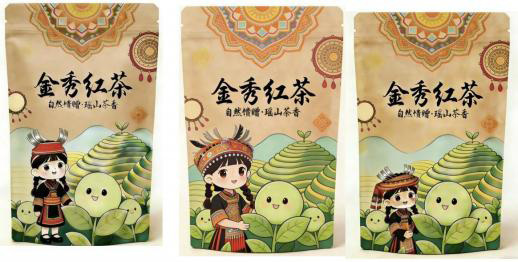
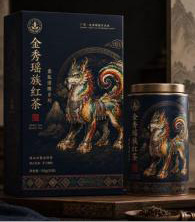
Figure 2 Package Design Diagram after Human-Machine Collaboration for Logical Error Correction
4 Case Comparison of Packaging Design of Ethnic Tea
In the research on the innovative design of Guangxi minority IP and creative derivatives, Guangxi University, relevant departments of Jinxiu Yao Autonomous County, and Guangxi local brand design companies have sorted out typical folk culture symbols such as Guangxi minority costumes and patterns, and with the help of artificial neural network machine learning algorithm based on diffusion model, This res earch uses generative artificial intelligence into the design process, activates the expression of traditional national culture, and contributes a regional technical reference for the AI empowerment of Jinxiu Yao black tea packaging. The case comparison of ethnic tea packaging design shows that the visual translation of ethnic cultural elements is developing from “symbol appropriation” to “grammar generation”, from “single decoration” to “narrative immersion”, and from “traditional technology” to “AI empowerment”. The “process-based” method of Miao tea packaging, the “narrative immersion” method of Tibetan tea, and the “integration and innovation” idea of Yao oil tea have brought various cultural expression references to Jinxiu Yao black tea. For Jinxiu Yao black tea, the future direction of packaging design is to take Yao cultural genes as the core, use AI technology as a connection channel, and fully absorb the experience of tea packaging design of various ethnic groups to build an intelligent packaging design system with unique identification of Yao nationality, which is beneficial to meet modern aesthetic requirements and adapt to a variety of market needs.
5 The Application Value and Boundary of Generative AI in the Creative Design
of Intangible Cultural Heritage
The generative application of artificial intelligence is not only a breakthrough in efficiency, but also a test of various cultural ethics in intangible cultural heritage, because the geometric extraction and generation of patterns by AI in design have developed to the stage of multimodal experience. AIGC has obtained an unprecedentedly strong empowering potential, and AI technology is therefore more mature. At present, the intelligent design system “Zhiyan Fongsong” for intangible cultural heritage can effectively provide a feasible path for technology empowerment of intangible cultural heritage: a “small sample + rule constraint” penticled-class model paradigm. Therefore, the research on AI product packaging design of Jinxiu Yao black tea should strike a balance between empowerment and boundary: It not only uses AIGC’s efficiency advantages in pattern generation, multi-scheme iteration and interactive design, but also actively constructs an exclusive cultural data set, embedded in the review mechanism of Yao cultural inheritance, which can further clarify the copyright ownership of AI-generated content and make the technology application always run within the track of Yao cultural logic. Only in this way can generative AI truly become the “enabler” rather than the “overstep” of non-legacy creative design, and the symbiosis and co-prosperity of cultural authenticity and technical creativity can be achieved in the intelligent translation of Jin Xiuyao embroidery patterns.
6 Conclusion
The innovation of the packaging design of Jinxiu Yao black tea should not only stay on the surface splicing of ethnic patterns, regional landscapes and traditional totems, but also be based on the identification of cultural genes, the translation of visual symbols and the construction of brand systems. This paper takes Jinxiu Yao black tea as the research object. In order to solve the problems of shallow cultural expression, similar visual symbols and low brand recognition in its packaging design, the way of relying on AIGC to complete the translation of packaging design was proposed. It is proposed that Panhu totum, Yao embroidery patterns, mountain ecology and the history of Gong tea are the core cultural resources of Jinxiu Yao black tea packaging design. These resources should be transformed into the visual language of packaging that is easy to identify, extend and spread through symbol coding, color coding, narrative coding and media coding. Generative artificial intelligence has brought new technical conditions to the tea packaging design with national characteristics. By using LoRA fine-tuning models and image generation tools, designers can obtain diverse packaging visual solutions in a short period of time. They can also improve the matching between generated images and local culture through prompt word constraints, sample training and style screening, but now, artificial intelligence still cannot automatically read the deep meaning of national culture. When dealing with content such as totem beliefs, pattern structures and color symbols, there may still be problems such as cultural misreading, symbol misplacement and visual homogenization, just like the wrong pattern mentioned earlier in this article. Therefore, the content generated by AI must be verified by designers and local cultural inheritance, so as to truly become a culturally accurate and market-suitable packaging design scheme.
The value of AIGC in the packaging design of Jinxiu Yao black tea is not to replace the cultural judgment of designers or non-genetic heirs, but to provide new generation tools and collaborative ideas for the visual transformation of local cultural resources. With the continuous development of local intangible cultural heritage, the packaging design of Jinxiu Yao black tea in the future can be further expanded from a single product packaging to the brand visual system, cultural companion hand ceremony, digital IP and tea tourism integration scene, so that the Yao cultural resources can be more effectively and more widely spread in the contemporary consumption environment, which also shows that the core of the packaging design of ethnic agricultural products, This also shows that the core of the packaging design of ethnic agricultural products is not to simply pursue visual novelty, but to find a more balanced design mechanism between cultural authenticity, technical innovation and market communication.
References
[1] Xi, J. P. (2022-10-16). Promote cultural confidence and self-improvement and foster new prosperity for socialist culture. Retrieved from https://www.gov.cn/xiwen/2022-10/16/content_5718819.htm.
[2] CPC Central Committee & State Council of China. (2023-02-27). The Overall Layout Plan for the Construction of Digital China. Retrieved from https://www.gov.cn/zhengce/2023-02/27/content_5743484.htm.
[3] Guangxi Daily. (2025-10-20). The transformation and upgrading path of Jinxiu black tea industry. Retrieved from https://gxt.gxzf.gov.cn/wzsy/zwdst/mtgz/t26065976.shtml.
[4] Zhou, Z. X., Du, P. T., & Ming, L. (2025). Research on the packaging design of Yongjiang Wuxiang agricultural products empowered by Yao cultural genes. Screen Printing, (21), 73−75.
[5] Clement, J., Kristensen, T., & Grønhaug, K. (2013). Understanding consumers’ in-store visual perception: The influence of package design features on visual attention. Journal of Retailing and Consumer Services, 20(2), 234−239.
[6] Singh, S. (2006). Impact of color on marketing. Management Decision, 44(6), 783−789.
[7] Xie, Q., & Xu, X. Y. (2021). Analysis of visual expression of tea brand packaging from the perspective of cultural genes. Food and Machinery, 37(4), 134−138.