 Current Views: 911278
 Current Downloads: 603159
Progress in Social Sciences
ISSN Print:2664-6943
ISSN Online:2664-6951
Contact Editorial Office



Subscribe to the latest published information from SCISCAN
文化资源产业化视角下县域传统文化资源活化利用路径研究——以河源市和平县阳明文化为例
Revitalization Pathways for County-Level Traditional Cultural Resources: A Case Study of Yangming Culture in Heping County, China


-
Information:
广东技术师范大学,广州
-
Keywords:
Yangming culture; Cultural resource industrialization; Asset-light operation mode; Cultural-tourism integration; Rural revitalization阳明文化; 文化产业化; 轻资产运营; 文旅融合; 乡村振兴
- Abstract: Yangming culture represents one of the most significant historical and cultural resources in Heping County and serves as an important foundation for promoting cultural-tourism integration and rural revitalization. Taking Yangming Town in Heping County, Guangdong Province, China, as a case study, this research draws upon theories of cultural resource industrialization, cultural governance, and the symbiotic relationship between public cultural services and cultural industries. Using document analysis, field investigation, and case study methods, the study examines the resource base, current development status, and industrialization pathways of Yangming culture. The findings indicate that Yangming Town possesses a unique historical identity as a site where Wang Yangming implemented his governance philosophy through the establishment and administration of Heping County. It has developed a composite cultural resource system integrating Yangming culture, Hakka culture, intangible cultural heritage, and ecological resources. However, several challenges remain, including a significant imbalance between infrastructure investment and operational capacity: insufficient cultural product development, limited digital communication capacity, weak resource integration, and low vitality of cultural spaces. To address these issues, the study proposes an asset-light operation mode model consisting of “cultural resources–educational communication–digital communication–cultural identity–IP development–specialized products–cultural branding–cultural industry.” The model emphasizes curriculum development, digital communication innovation, cultural IP creation, and scenario-based operation as key mechanisms for transforming cultural resources into cultural and economic value. The study suggests that an asset-light approach driven by educational and digital communication can provide a replicable pathway for the revitalization and industrial transformation of traditional cultural resources in underdeveloped regions. 王阳明文化是和平县最具代表性的历史文化资源之一,也是当地推进文旅融合和乡村振兴的重要文化基础。本文以广东省河源市和平县阳明镇为研究对象,在文化资源产业化理论、文化治理理论和公共文化服务与文化产业共生理论指导下,采用文献分析、实地调研和案例研究等方法,对阳明文化资源基础、开发现状及产业化发展路径进行系统研究。研究发现,阳明镇拥有“王阳明设县治理实践地”的独特历史文化优势,并形成了阳明文化、客家文化、非物质文化遗产和生态资源相融合的复合型资源体系。然而,当前仍存在常态化运营有待完善的问题,如文化产品供给不足、数字传播能力较弱、资源协同开发不足以及文化空间活力不足等,制约了文化资源向产业优势转化。基于此,本文提出“文化资源—教育传播—数字传播—文化认同—IP打造—特色产品—文化品牌—文化产业”的轻资产活化发展模型,探索通过课程体系建设、数字传播创新、文化IP开发和场景运营优化实现传统文化资源价值转化。研究表明,教育传播与数字传播驱动的轻资产活化模式,为欠发达地区传统文化资源转化提供了具有可复制性的实践路径。
- DOI: 10.35534/pss.0806097
- Cite: 张紫馨,李平,王明粤,等.文化资源产业化视角下县域传统文化资源活化利用路径研究——以河源市和平县阳明文化为例[J].社会科学进展,2026,8(6):557-565.
1 绪论
1.1 研究背景
党的二十大报告提出推进文化自信自强,推动中华优秀传统文化创造性转化和创新性发展。随着乡村振兴战略和文旅融合发展深入推进,地方特色文化资源开发已成为县域经济发展的重要路径。
河源市和平县阳明镇因王阳明平定浰头叛乱后奏设和平县而得名,是全国唯一以“阳明”命名的乡镇。与余姚“阳明故里”、修文“龙场悟道地”相比,阳明镇最大的特色在于其“县治实践地”定位,具有独特的历史文化价值。
近年来,当地建设了阳明博物馆、阳明文化广场等文化设施,但文化资源开发仍以展示和宣传为主,产业化水平相对有限。如何实现文化资源优势向文化产业优势转化,成为值得研究的重要课题。
1.2 研究意义
1.2.1 理论意义
当前关于阳明文化的研究主要集中于哲学思想、历史文化和教育价值等方面,而针对欠发达地区阳明文化资源产业化发展的研究相对较少。本文从文化资源活化与产业转化视角出发,探讨阳明文化资源向文化产品、文化品牌和文化产业转化的实现路径,有助于丰富地方文化产业研究内容。同时,本文尝试将文化资源产业化理论、文化治理理论以及公共文化服务与文化产业共生理论引入阳明文化研究之中,探索传统文化资源创造性转化与创新性发展的实践机制,为地方文化资源开发研究提供新的研究视角。
1.2.2 实践意义
首先,有助于推动阳明文化资源保护与利用。通过系统梳理阳明文化资源现状,分析存在问题,提出产业化发展路径,为地方文化资源开发提供参考。
其次,有助于促进地方文化品牌建设。通过突出“王阳明县治实践地”特色定位,增强阳明文化品牌辨识度和影响力,推动地方文化传播。
最后,有助于推动文化赋能乡村振兴。通过教育传播、数字传播和文化产品开发等方式,实现文化资源向产业价值转化,为县域经济发展提供新的增长动力。
1.3 国内外研究现状
国内现有研究主要集中于文化资源产业化、数字文化产业和阳明文化研究三个方面。在文化资源产业化研究方面,学者普遍认为文化资源需要通过价值挖掘、产品开发和市场运营实现产业转化[2,3]。数字文化产业研究则强调数字技术对文化生产、传播与消费方式的重构作用[16,17]。阳明文化研究主要聚焦于阳明心学思想、教育价值及其现代意义,对阳明文化产业化发展的关注相对不足。总体来看,国内现有研究为本文提供了重要理论基础,但针对欠发达地区如何依托教育传播、数字传播和轻资产运营实现阳明文化资源活化利用的研究仍较少。因此,本文以河源市和平县阳明镇为例,对其文化资源产业化路径进行探讨。
国外关于文化产业研究起步较早,研究重点主要集中于文化创意产业、文化品牌建设以及文化与经济发展的关系等方面。陈琳(2018)通过比较丹麦、英国、德国等国家文化创意产业发展经验发现,系统规划产业集聚、推动创新设计、提高文化附加值以及营造良好的产业发展环境,是文化创意产业持续发展的重要支撑因素。国外研究普遍强调文化创新、品牌建设和市场运营的重要作用,为我国地方文化资源开发提供了有益借鉴。国外经验表明,文化产业的发展并不完全依赖大型基础设施建设,而更强调文化内容创新和文化品牌塑造。这对于阳明镇探索轻资产运营模式具有重要借鉴意义。但由于文化背景和制度环境不同,国外经验仍需结合中国地方实际进行本土化转化。
综上所述,现有研究为文化产业发展和阳明文化研究提供了重要理论基础,但仍存在一定不足。
一方面,关于阳明文化的研究更多集中于思想文化层面,对产业化发展路径关注不足;另一方面,针对欠发达地区如何通过数字传播、教育传播和轻资产运营实现文化资源价值转化的研究仍较少。因此,本文以河源市和平县阳明镇为研究对象,结合实地调研与案例分析,探索阳明文化资源产业化发展的现实路径,以期为地方文化资源开发和乡村振兴提供参考。
1.4 本文研究创新点
在已有研究基础上,本文主要具有以下三个方面的创新之处。
第一,从思想研究视角转向产业化实践视角。现有阳明文化研究主要集中于王阳明哲学思想、心学体系、教育价值以及历史文化影响等领域,对阳明文化资源如何实现产业化转化的关注相对不足。本文以文化资源活化与产业化发展为研究重点,探讨阳明文化从历史文化资源向文化产品、文化品牌和文化产业转化的现实路径,拓展了阳明文化研究的实践应用维度。
第二,从“阳明故里”视角转向“县治实践地”视角。目前国内阳明文化研究多聚焦于浙江余姚“阳明故里”和贵州修文“龙场悟道地”等重要历史场域,而对和平县作为王阳明平乱设县、推行政教实践的重要历史空间关注相对不足。本文提出“王阳明县治实践地”的文化定位,强调阳明思想在基层治理和社会实践中的现实价值,为阳明文化资源开发提供新的研究视角。
第三,提出欠发达地区传统文化资源轻资产活化模型。结合实地调研、课程开发实践以及数字传播发展趋势,本文构建“文化资源—教育传播—数字传播—IP打造—特色产品—文化品牌—文化产业”的轻资产活化路径模型,探索欠发达地区依托内容生产、文化传播和社会参与实现传统文化资源价值转化的发展路径,为县域文化产业发展提供实践参考。
1.5 研究方法与研究思路
本文采用文献分析、实地观察和案例分析等方法展开研究。
首先梳理文化资源产业化、文化治理和公共文化服务等相关理论;其次结合阳明博物馆、水背古村、阳明文化研学馆等实地观察,分析阳明文化资源开发现状及问题;最后借鉴贵州修文、浙江余姚等案例经验,提出阳明文化产业化发展路径。研究遵循“资源分析—问题诊断—案例借鉴—路径设计”的逻辑展开。
2 理论基础与分析框架
2.1 文化资源产业化理论
文化资源产业化是文化资源实现价值转化的重要途径。文化资源本身具有历史价值、文化价值和社会价值,但并不天然等同于文化产业。只有经过系统开发、产品设计、市场传播和产业运营,文化资源才能转化为文化产品并进一步形成文化产业。
严荔(2013)认为,文化资源产业化并非简单的资源开发,而是文化资源经过价值发现、产品设计和市场转化后形成产业体系的过程。其核心在于实现文化资源价值的市场化表达与社会化传播。文化资源开发不仅需要重视资源保护,更需要通过创新开发实现文化价值与经济价值的统一。
对于阳明镇而言,王阳明平乱设县、教化安民以及“知行合一”“致良知”等思想资源均属于重要文化资源。但如果仅停留在历史展示和文献陈列层面,其价值发挥仍然有限。因此,阳明文化产业化发展的关键在于推动文化资源向课程产品、文化体验产品、数字内容产品以及文创产品转化,实现资源优势向产业优势转变。
2.2 文化治理理论
近年来,文化治理逐渐成为文化研究的重要视角。文化治理强调文化不仅具有传播和教育功能,同时也是推动社会发展和基层治理的重要力量。李庭筠等(2026)构建了“文化对象化—文化产业化—文化工具化”三阶分析框架,认为文化治理本质上是文化资源识别、产业转化与社会治理功能实现的动态演进过程。文化对象化是文化资源被发现和识别的过程;文化产业化是文化资源进入市场体系并形成产业价值的过程;文化工具化则是文化进一步成为推动社会治理和区域发展的重要工具。
从文化治理视角来看,阳明文化不仅是历史文化遗产,也是推动地方文化认同、乡村振兴和社会发展的重要资源。阳明文化产业化发展的最终目标,不应仅仅停留在文化产品销售层面,而应通过文化传播、文化教育和文化实践提升地方文化活力,促进区域发展。因此,文化治理理论为阳明文化产业化研究提供了新的分析框架,即从单纯的文化资源开发转向文化赋能乡村振兴和区域发展的综合视角。
2.3 公共文化服务与文化产业共生理论
传统观点认为公共文化服务属于公益领域,而文化产业属于市场领域,两者相互独立。然而近年来研究发现,两者之间存在密切联系。王忠等(2024)认为,公共文化服务与文化产业之间存在资源共享、人才共育和结构协同等共生关系,公共文化服务体系建设能够为文化产业发展提供基础性资源支撑,而文化产业发展又能够反哺公共文化服务质量提升。
从这一视角来看,阳明文化课程开发、文化教育传播和文化活动组织等工作,不仅属于公共文化服务范畴,同时也是培育文化消费市场和推动文化产业发展的重要基础。本项目开发的六课时阳明文化课程体系,实际上已经构成阳明文化传播的重要实践探索。通过课程传播增强文化认同,再通过文化体验和文化消费实现产业转化,形成“文化教育—文化认同—文化消费—文化产业”的发展链条。
2.4 理论整合与分析框架
通过前文梳理可以发现,文化资源产业化理论、文化治理理论以及公共文化服务与文化产业共生理论分别从不同角度揭示了传统文化资源开发利用的内在逻辑。
首先,文化资源产业化理论强调文化资源向文化产品、文化品牌和文化产业转化的过程,认为文化资源只有经过价值挖掘、产品开发、市场传播和产业运营,才能实现文化价值与经济价值的统一。该理论为阳明文化资源如何实现产业转化提供了基本解释框架。
其次,文化治理理论认为文化不仅是经济资源,更是促进社会参与、文化认同和基层治理的重要力量。阳明文化所蕴含的“知行合一”“致良知”等思想,不仅具有历史文化价值,同时也具有教育引导、价值塑造和社会治理功能。因此,阳明文化产业化发展的目标不应局限于经济收益,而应兼顾文化传承、社会教育和地方发展等多重价值。
最后,公共文化服务与文化产业共生理论指出,公共文化服务与文化产业并非彼此独立,而是存在相互促进、协同发展的关系。文化教育、文化传播和公共文化活动能够提升公众文化认同,为文化消费和文化产业发展培育社会基础;而文化产业的发展又能够进一步扩大文化传播范围,形成良性循环。
基于上述理论,本文认为,欠发达地区传统文化资源开发不宜简单复制大型文化园区和重资产投资模式,而应更加重视文化内容生产、教育传播、数字传播和社会参与等路径。特别是在数字经济和文化消费不断发展的背景下,文化资源的价值实现越来越依赖传播能力、内容创新能力和品牌塑造能力。
因此,结合阳明镇实际情况,本文构建“文化资源—教育传播—数字传播—IP打造—特色产品—文化品牌—文化产业”的分析框架。该框架认为,文化资源是产业发展的基础,教育传播是文化认同形成的重要途径,数字传播是扩大影响力的重要手段,IP打造和特色产品开发是实现价值转化的重要载体,而文化品牌建设则是推动文化产业可持续发展的关键环节。这一分析框架既体现了文化资源产业化的发展逻辑,也体现了文化治理和公共文化服务协同发展的理念,为后续阳明文化产业化路径研究提供理论依据。
本文综合文化资源产业化理论、文化治理理论以及公共文化服务与文化产业共生理论,构建“资源禀赋—活化利用—产业转化—品牌塑造”的分析框架。
3 河源市阳明镇阳明文化资源基础与发展现状
3.1 河源市与和平县文旅发展背景
河源市位于广东省东北部,是粤港澳大湾区重要生态屏障和东江流域重要水源涵养区。近年来,随着“百县千镇万村高质量发展工程”深入推进,文旅融合逐渐成为推动县域经济发展的重要路径。
和平县位于河源市东北部,是广东省典型山区县。作为王阳明平定浰头叛乱后奏请设立的县治所在地,和平县拥有独特的阳明文化资源基础,在河源市文旅发展格局中具有鲜明的历史文化特色。
表1显示,近年来和平县经济保持稳定增长,为文化产业发展提供了良好基础。在国家文化强国战略、乡村振兴战略以及文旅融合发展背景下,如何将阳明文化资源优势转化为文化产业优势,已成为和平县推动高质量发展的重要课题。
表 1 和平县近年经济发展主要指标
Table 1 Recent economic development indicators of Heping county
| 年份 | 地区生产总值(亿元) | 增长率 | 第一产业(亿元) | 第二产业(亿元) | 第三产业(亿元) |
| 2022 | 128.98 | 0.1% | 27.68 | 32.21 | 69.08 |
| 2023 | 135.22 | 5.0% | 28.63 | 36.24 | 70.35 |
| 2024 | 142.77 | 4.6% | 30.07 | 45.01 | 67.69 |
| 2025 | 146.32 | 4.1% | 30.95 | 38.47 | 76.90 |
注:根据《和平县2022年国民经济和社会发展统计公报》《和平县地区生产总值统一核算数据发布稿》《和平县2025年1~12月份经济运行简况》整理。
在此背景下,如何将阳明文化资源优势转化为文化产业优势和发展优势,已成为和平县推进文旅融合和乡村振兴的重要课题。
3.2 阳明文化资源基础
阳明文化是阳明镇最具代表性的核心文化资源。正德年间浰头地区社会动荡频发,王阳明平定地方乱象后上疏朝廷设立和平县,同步推行基层教化与乡约治理举措。因此,阳明镇不仅是全国唯一以“阳明”命名的乡镇,也是王阳明将“知行合一”思想付诸社会实践的重要历史场域。
表 2 阳明镇文化资源类型梳理
Table 2 Cultural resource type sorting of Yangming town
| 类型 | 内容 |
| 阳明文化 | 平乱设县、知行合一 |
| 古村文化 | 水背古村 |
| 非遗文化 | 马灯舞、阳明纸等 |
| 客家文化 | 客家建筑、服饰、习俗、饮食等 |
| 生态资源 | 东江水源地、生态农业 |
与浙江余姚“阳明故里”和贵州修文“龙场悟道地”相比,阳明镇最大的特色在于“县治实践地”属性,具有较强的历史独特性和文化辨识度。目前,当地已建设阳明博物馆、阳明文化广场等文化展示空间,为阳明文化传播提供了重要载体。
除阳明文化外,阳明镇还拥有水背村传统村落、马灯舞、阳明纸、猫头狮等非遗资源,以及客家文化和生态资源。这些资源共同构成复合型文化资源体系,为研学教育、文化体验、文创开发和农文旅融合发展提供了基础条件。
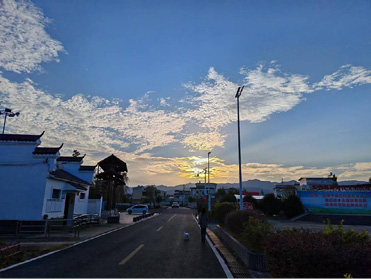
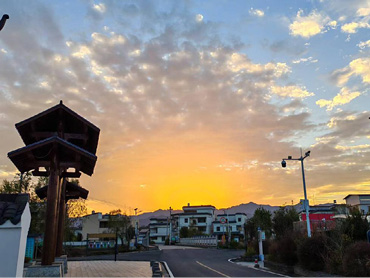
注:作者实地拍摄于2025年12月。
图 1 水背村村落环境
Figure 1 Living environment of Shuibei village
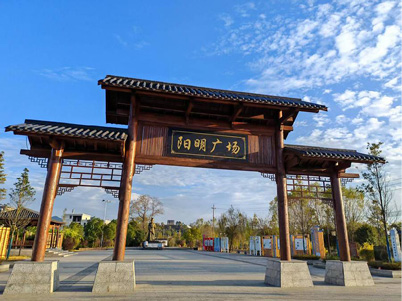
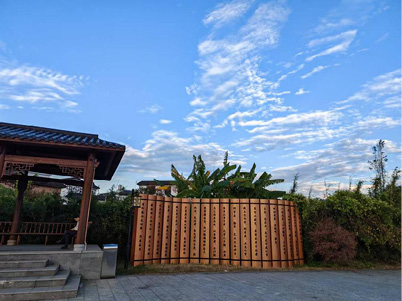
注:作者实地拍摄于2025年12月。
图 2 水背村阳明文化广场
Figure 2 Yangming culture square of Shuibei village
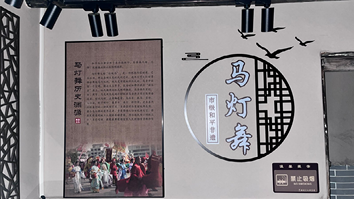
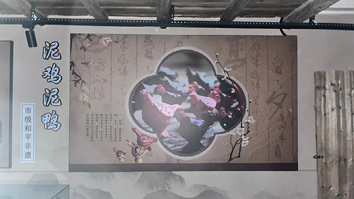
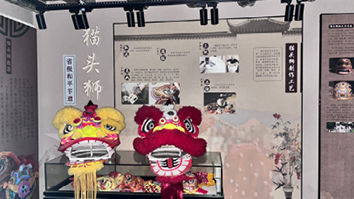
注:作者实地拍摄于2025年12月。
图 3 阳明文化研学馆非物质文化遗产展示
Figure 3 Yangming culture study museum: intangible cultural heritage presentation
3.3 阳明文化资源开发现状
近年来,和平县持续推进阳明文化资源保护与开发,初步形成文化展示、公共传播和教育推广相结合的发展格局。在文化展示方面,当地建设了阳明博物馆、阳明文化广场、阳明文化研学馆等设施;在公共文化传播方面,阳明广场等空间将王阳明雕像、“知行合一”“致良知”等文化元素融入居民日常生活环境;在教育传播方面,项目组开发了六课时阳明文化课程体系,探索将地方文化资源转化为教育资源。
表 3 阳明文化课程体系设计
Table 3 Design of Yangming culture curriculum system
| 课时 | 课程主题 | 核心内容 | 教育目标 |
| 第一课 | 初识阳明心学 | 王阳明生平简介、阳明心学基本概念 | 帮助学生建立对阳明文化的初步认识 |
| 第二课 | 王阳明与这片土地的关系 | 王阳明平定浰头叛乱、奏请设立和平县、同步推行基层教化与乡约治理举措、水背村历史渊源 | 增强学生对本土历史文化的认同感 |
| 第三课 | 心学核心一:心即理 | 心即理思想的内涵与现实意义 | 引导学生理解内在道德价值与责任意识 |
| 第四课 | 心学核心二:知行合一 | 知行合一思想及历史案例 | 培养学生实践意识与行动能力 |
| 第五课 | 心学核心三:致良知 | 致良知思想与个人成长 | 帮助学生形成正确价值观与道德判断能力 |
| 第六课 | 心学落地——从历史到当下:阳明心学的生活与本地实践 | 阳明思想在现代社会、本地文化建设与个人成长中的应用 | 实现传统文化与现实生活的连接,增强文化自信 |
总体来看,阳明镇已具备一定文化资源基础和传播基础,为后续产业化发展创造了条件。
3.4 阳明文化产业发展的政策环境
当前,国家高度重视中华优秀传统文化传承发展和文化产业高质量发展,广东省“百千万工程”也强调推动县镇村高质量发展和文旅融合。河源市近年来持续推进农文旅融合,乡村旅游、研学教育和文化创意等新业态不断发展。在此背景下,阳明文化产业化既符合国家文化发展战略,也契合河源市和平县推进文旅融合与乡村振兴的发展方向。
4 阳明文化产业化发展的问题诊断与经验借鉴
4.1 阳明文化产业化发展的现实困境
第一,现有文化场馆硬件配套完善,但常态化运营、沉浸式体验内容供给机制仍有待完善。和平县已建设阳明博物馆、阳明文化广场、阳明文化研学馆等文化设施,但部分空间仍以静态展示为主,活动策划、研学课程、互动体验和持续运营能力不足,尚未实现从“有空间”向“有内容”“有体验”“有消费”的转变。
第二,文化产品供给体系相对薄弱。当前阳明文化开发主要集中于历史展示、文化宣传和公共教育层面,文创产品、文化体验产品和消费场景尚未形成规模。游客能够参观文化空间,但缺少可带走、可体验、可传播的文化产品,影响了文化资源的市场转化效率。
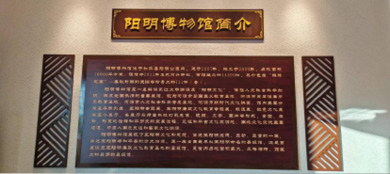
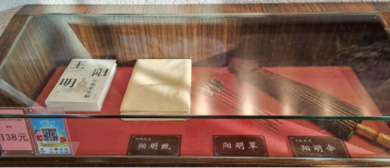
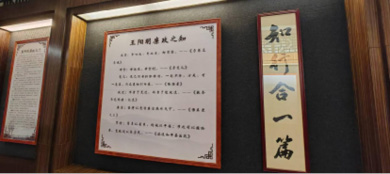
注:作者实地拍摄于2025年11月。
图 4 阳明博物馆展陈展示
Figure 4 Yangming museum exhibitions & displays
第三,新媒体内容生产、线上运营尚未形成常态化运营体系,传播转化效能有待提升。阳明文化传播仍主要依赖线下展示和传统宣传方式,短视频传播、数字内容生产和新媒体运营较为薄弱。部分文化空间虽设置微信公众号和数字导览系统,但内容更新不足,数字平台与文化资源尚未形成有效联动。
第四,资源协同开发程度不高。阳明镇拥有阳明文化、客家文化、非遗资源、传统村落和生态资源,但各类资源之间仍以分散开发为主,阳明文化与非遗体验、乡村旅游、生态旅游、特色农产品和餐饮消费之间的融合程度仍有提升空间。
第五,文化空间活力不足。实地调研发现,水背古村、阳明文化研学馆和阳明广场虽具备较好硬件基础和景观条件,但非活动时段人流量较少,研学馆利用率有限,尚未形成稳定的人流、消费流和传播流。这表明,当前制约阳明文化产业化发展的核心矛盾已由“资源不足”转向“运营不足”。未来发展重点应从空间建设转向空间运营,从资源展示转向体验营造,从硬件投入转向内容创新。
4.2 国内文化资源产业化经验借鉴
贵州修文依托“龙场悟道”资源,建设阳明文化园,开发研学旅游、文化体验和文创产品,并将阳明文化融入社会教育和基层治理[27,28,32]。其经验表明,传统文化资源开发应坚持保护与利用并重,通过政府统筹、学术支撑、市场运营和社会参与提升文化资源价值[29-31]。
浙江余姚作为王阳明故里,围绕阳明文化遗存保护、文化空间建设和教育传播体系构建,形成较成熟的发展模式。其经验表明,传统文化产业化不仅需要文化资源保护,也需要教育传播和社会参与机制支撑,通过持续培育文化认同形成发展动力[25,26]。
黄河文化产业发展强调文化资源、文化产品与区域发展的协同关系,通过文旅融合、数字传播和产业链建设推动文化资源价值转化。其经验说明,文化产业发展应注重资源整合、数字赋能和跨区域协同,实现文化价值、生态价值和经济价值统一[19,20]。
综合来看,文化资源产业化的关键不在于单纯增加基础设施建设,而在于形成“资源保护—内容生产—教育传播—数字传播—产品开发—品牌运营”的完整链条。阳明镇应立足“王阳明县治实践地”特色定位,发挥教育传播和数字传播优势,探索符合欠发达地区实际的轻资产运营路径。
5 阳明文化产业化发展的路径设计
5.1 明确文化定位:打造“王阳明县治实践地”品牌
文化产业发展的前提是形成清晰定位。余姚突出“阳明故里”,修文强调“龙场悟道地”,而和平县的特色在于王阳明平乱设县和基层治理实践。因此,阳明镇应突出“王阳明县治实践地”定位,围绕“设县”“安民”“教化”“知行合一”等关键词构建地方文化叙事,形成差异化文化品牌。
5.2 教育传播驱动机制:推动文化资源向教育资源转化
文化产业发展的基础在于文化认同。对于经济基础相对薄弱、市场规模有限的县域地区而言,通过教育传播培育文化认同,比单纯依赖景区建设更具可持续性。未来可依托阳明博物馆、水背古村和阳明广场,推动阳明文化课程进入地方课程、研学课程和社会教育体系,形成“课堂学习—场馆参观—研学实践”一体化传播路径。
5.3 数字传播赋能机制:推动文化资源向数字内容转化
数字传播具有成本低、效率高、覆盖广等优势,是欠发达地区放大文化资源价值的重要方式。阳明镇可建设短视频、数字课程、数字导览、AI数字人讲解和线上研学平台等传播矩阵,通过持续内容生产提升阳明文化传播力,实现地方文化资源向区域文化品牌转化。
5.4 文化IP赋能模式:推动文化资源向特色产品转化
阳明文化产业化不应局限于文化展示,而应探索“文化IP+地方产业”的融合模式。可围绕“知行合一”“致良知”等文化符号开发文创产品、特色农产品和主题餐饮,将文化资源嵌入消费场景,并借助短视频和网络营销打造具有辨识度的地方文化IP,实现文化价值与经济价值协同提升。
5.5 文化IP转化机制:推动文化空间向文化体验转化
阳明镇已形成阳明博物馆、阳明广场、水背古村和阳明文化研学馆等文化空间体系,未来关键在于提升运营能力。可依托现有空间开展研学活动、文化节、市集、非遗体验和夜间文化活动,提高空间利用效率,实现由文化展示向文化体验转变。
5.6 文化场景运营机制:构建轻资产文化产业化发展模型
对于经济基础相对薄弱的县域地区而言,大规模景区建设和重资产投资面临较高成本与运营压力。相比之下,依托教育传播、数字传播和文化内容创新实现资源活化,更符合欠发达地区文化产业发展的现实条件。
本文提出“文化资源—教育传播—数字传播—文化认同—IP打造—特色产品—文化品牌—文化产业”的轻资产产业化模型。
| 文化资源 |
| ↓ |
| 教育传播 |
| ↓ |
| 数字传播 |
| ↓ |
| 文化认同 |
| ↓ |
| IP打造 |
| ↓ |
| 特色产品 |
| ↓ |
| 文化品牌 |
| ↓ |
| 文化产业 |
图 5 阳明文化轻资产产业化发展模型
Figure 5 Asset-light operation model of Yangming Culture
该模型以文化内容生产和传播体系建设为核心,通过教育传播培育文化认同,通过数字传播扩大文化影响力,通过IP打造和特色产品开发提升文化附加值,最终实现文化资源向文化产业转化。
表 4 阳明文化轻资产产业化路径模型
Table 4 Asset-light operation model Pathway for Yangming Culture
| 阶段 | 核心内容 | 主要载体 |
| 文化资源 | 阳明文化、客家文化、非遗资源 | 博物馆、古村落 |
| 教育传播 | 课程体系、研学活动 | 学校、研学基地 |
| 数字传播 | 短视频、公众号、数字课程 | 新媒体平台 |
| 文化认同 | 地方文化认同形成 | 社区、学校 |
| IP打造 | 阳明文化品牌 | 文创产品 |
| 特色产品 | 餐饮、农产品、文创产品 | 市场主体 |
| 文化品牌 | 阳明镇文化品牌 | 文旅市场 |
| 文化产业 | 文旅融合产业体系 | 区域经济 |
与传统景区开发模式相比,该模式投资规模较小,更强调内容创新、社会参与和持续运营能力,具有较强可持续性。
6 研究结论与展望
本文以河源市和平县阳明镇为研究对象,对阳明文化资源基础、开发现状及产业化路径进行了研究。研究发现,阳明镇拥有“王阳明县治实践地”的独特历史文化优势,并形成阳明文化、客家文化、非遗文化和生态资源相融合的复合型资源体系,为文旅融合发展提供了基础。
当前,当地已建设阳明博物馆、阳明文化广场、阳明文化研学馆等文化设施,初步形成文化展示、文化传播和教育推广相结合的发展格局。但实地调研表明,阳明文化开发仍存在常态化运营有待完善——文化产品供给不足、数字传播能力较弱、资源协同开发不足和文化空间活力不足等问题,核心矛盾已由“资源不足”转向“运营不足”。
基于此,本文提出“文化资源—教育传播—数字传播—文化认同—IP打造—特色产品—文化品牌—文化产业”的轻资产活化模型。该模式强调以教育传播培育文化认同,以数字传播扩大文化影响力,以文化IP和特色产品开发实现价值转化,为欠发达地区传统文化资源活化利用提供了可参考路径。
本文的创新在于从文化资源产业化视角研究阳明文化,提出“王阳明县治实践地”的文化定位,并构建欠发达地区传统文化资源轻资产活化模型。受研究条件限制,本文缺乏游客需求、消费行为等量化数据支撑,未来可进一步结合数字传播效果评估、研学课程实施和文化消费市场研究,对该模式进行持续验证。
参考文献
[1] 徐艳芳,金华,王蔚.拉丁美洲传统文化资源的旅游产业化路径考察[J].拉丁美洲研究,2012,34(2):60-65.
[2] 严荔.文化资源产业化开发的区域实现机制研究[J].四川大学学报(哲学社会科学版),2013(2):132-136.
[3] 郑欢.文化创意的产业化路径论[J].上海师范大学学报(哲学社会科学版),2011,40(4):85-94.
[4] 罗爱静,许泽华,梁朝聪,等.产业化视角下不同类型非物质文化遗产的转化机理研究——以湘西土家族苗族自治州为例[J].吉首大学学报(社会科学版),2018,39(1):133-138.
[5] 李庭筠,吴思颖,王婷,等.旅游型传统村落文化治理的理论逻辑与机制解析[J].自然资源学报,2026,41(4):1046-1062.
[6] 河源市人民政府.2026 年政府工作报告[R].河源:河源市人民政府,2026.
[7] 和平县人民政府.和平县2026年国民经济和社会发展计划[R].和平:和平县人民政府,2026.
[8] 和平县人民政府.和平县2026年省、市、县重点项目计划情况表 [R].和平:和平县人民政府,2026.
[9] 和平县统计局.和平县2025年1-12月份经济运行简况[R].和平:和平县统计局,2026.
[10] 和平县文化广电旅游体育局.“为绿美而来 向和平出发”2023年河源市“中国旅游日”系列活动暨和平县文化旅游活动启动 [EB/OL].(2023-05-24)[2026-06-16].和平县人民政府门户网站,http://www.heping.gov.cn/xwzx/bmdt/content/post_551557.html.
[11] 和平县浰源镇人民政府.浰源镇3500亩桃花含苞绽放 农文旅融合绘新篇[EB/OL].(2026-03-02)[2026-06-16].和平县人民政府门户网站,http://www.heping.gov.cn/xwzx/bmdt/content/post_692469.html.
[12] 和平县王阳明法治研究会.王阳明法治研究会举办主题法治文化沙龙活动[EB/OL].(2024-04-03)[2026-06-16].和平县人民政府门户网站,http://www.heping.gov.cn/xwzx/bmdt/content/post_599959.html.
[13] 和平县阳明镇人民政府.阳明镇:以商圈建设和产业发展为抓手 推动新型城镇化建设[EB/OL].(2024-11-22)[2026-06-16].和平县人民政府门户网站,http://www.heping.gov.cn/xwzx/bmdt/content/post_630885.html.
[14] 和平县农业农村局.建设十里竹海、入粤首镇乡村振兴示范带 打造农旅融合发展新格局[R].和平:和平县农业农村局,2026.
[15] 陈琳.国外文化创意产业发展策略分析及启示[J].广西社会科学,2018(6):195-198.
[16] 肖昕,景一伶.中国文化产业数字化政策及其策略研究[J].民族艺术研究,2021(3):130-136.
[17] 刘倩,王秀伟.文化产业数字化的关键问题、响应策略与实施路径 —— 基于文化产业创新生态系统的研究[J].西南民族大学学报(人文社会科学版),2022(8):150-156.
[18] 王忠,李小霞.公共文化服务与文化产业:共生机理与实践路径 [J].深圳大学学报(人文社会科学版),2024,41(3):58-66.
[19] 聂晗,李心怡.基于产业生态学探索黄河文化的时代价值及传播策略——评《黄河文化产业生态学观察》[J].广告·书评,2024.
[20] 昝胜锋,赵传新,吴红.黄河文化产业生态学观察[M].济南:山东大学出版社,2021.
[21] 田川流.论乡村产业文化的内涵及其发展策略[J].济南大学学报(社会科学版),2021,31(2):29-36.
[22] 中共中央办公厅,国务院办公厅.关于实施中华优秀传统文化传承发展工程的意见[EB/OL].(2017-01-25)[2026-06-11].https://www.xinhuanet.com/politics/2017-01/25/c_1120383155.htm.
[23] 中共中央办公厅,国务院办公厅.“十四五” 文化发展规划 [EB/OL].(2022-08-16)[2026-06-11].https://www.gov.cn/xinwen/2022-08/16/content_5705612.htm.
[24] 国务院办公厅.关于推动文化高质量发展的若干经济政策:国办发〔2025〕4 号 [EB/OL].(2025-01-26)[2026-06-11].https://www.scio.gov.cn/zdgz/jj/202501/t20250126_883816_m.html.
[25] 华建新.王阳明文化遗迹遗存资源保护与利用新探——以余姚阳明文化遗迹遗存现状为例[J].赣南师范大学学报,2024,45(1):82-88.
[26] 余姚市城市更新工作领导小组办公室.文化引领运营前置服务先行余姚市打造阳明文化 IP 新地标[J].宁波通讯,2024(7):26-27.
[27] 陈志良.阳明文化的当代传承与戏曲实践——以京剧《阳明悟道》为例[J].中国戏剧,2023(12):66-68.
[28] 蒋志伦.贵州修文县:“重德修文” 大讲堂引领道德风尚[J].党建,2016(5):41.
[29] 秦治遥.阳明文化转化运用,贵州如何学习浙江[J].当代贵州,2025(22):56-57.
[30] 吴丹.论贵州阳明文化旅游开发——以修文县为例[J].武夷学院学报,2017,36(10):52-55.
[31] 左秀微.关于打造阳明文化旅游线路的建议[J].贵州社会主义学院学报,2026(1):94-96.
[32] 袁朝中,蒋翌君.将阳明心学转化为文化生产力[J].当代贵州,2025(33):72-73.