 Current Views: 919756
 Current Downloads: 608294
Progress in Social Sciences
ISSN Print:2664-6943
ISSN Online:2664-6951
Contact Editorial Office



Subscribe to the latest published information from SCISCAN
智慧教室的发展历程、现实困境与未来展望
Development, Challenges, and Prospects of the Smart Classroom


-
Information:
1. 北京工业大学高等教育研究院,北京;
2. 首都工程教育发展研究基地,北京
-
Keywords:
Smart classroom; Application difficulty; Future prospect智慧教室; 应用困境; 未来展望
- Abstract: Under the global wave of informatization, smart classrooms, as a product of the deep integration of educational concepts and cutting-edge technologies, have become a pivotal force in driving educational innovation. However, empirical observations indicate a significant gap between the theoretical expectations and real-world applications of smart classrooms. Despite substantial resource investments, smart classrooms continue to grapple with low utilization rates. This phenomenon may be attributed to various challenges, including the prevalence of formalism, inadequate training for educators and students, the incoherent integration of traditional and contemporary teaching models, and unsatisfactory educational outcomes. Consequently, smart classroom development must shift from a technological instrumentalism approach towards educational intelligence. By addressing technological, conceptual, pedagogical, training, and evaluative factors, we can achieve deep alignment between technological tools and educational objectives. This fosters students’ higher-order thinking and personalized development, driving a fundamental transformation in educational philosophy and practice. 在全球信息化浪潮下,智慧课堂作为教育理念与尖端技术深度融合的产物,已成为推动教育创新的关键力量。然而,智能教室的理论期望与现实应用之间存在巨大差距,尽管投入了大量资源,智能教室的使用率仍然很低。这可能源于实施形式主义、对教师和学生的培训不足、新旧教学模式磨合生涩以及教学效果不理想等挑战。鉴于此,智能教室的发展必须从“技术工具主义”转向“教育智慧主义”,从技术、理念、模式、培训、评价等多方因素入手,使技术工具与教育目标深度契合,从而培养学生的高阶思维能力和个性化发展,以期实现教育理念和实践范式的根本转变。
- DOI: 10.35534/pss.0806098
- Cite: 张威,段雨菲.智慧教室的发展历程、现实困境与未来展望[J].社会科学进展,2026,8(6):566-571.
在全球信息化浪潮的推动下,教育信息化已从早期的基础设施建设和资源数字化,步入以促进教育公平、提升教育质量、驱动教育创新为核心目标的深度融合阶段。在此背景下,智慧教室应运而生,它不仅仅是物理空间的升级,更是教育理念、教学模式与先进信息技术深度融合的集中体现。通过集成物联网、云计算、大数据、人工智能等前沿技术,智慧教室旨在构建一个能够智能感知学习情境、优化教学过程、促进个性化学习与协作探究的新型教育环境。理论上,它能极大地丰富教学内容的呈现方式,拓宽学习资源的获取渠道,增强课堂教学的互动性与吸引力,最终实现以学习者为中心的高效、智能、泛在的学习体验。
然而,笔者通过观察所在学校智慧教室的使用情况发现,尽管建设智慧教室投入了大量资源,但“建而不用”或“浅尝辄止”的现象却普遍存在。智慧教室的排课率仅占1.72%,且所排课程都是类似于“咖啡美学鉴赏”“美育讲堂”“宋词鉴赏”等选修课程,专业课几乎都不排在智慧教室。这种资源闲置不仅是对教育投资的巨大浪费,更深层次地反映了技术与教育教学融合过程中存在的诸多障碍,阻碍了教育创新步伐。因此,系统探究智慧教室使用率偏低的深层原因,并在此基础上提出切实有效的提升策略,对于破解当前困境,充分挖掘智慧教室的教育价值,加速信息技术与教育教学的深度融合,具有十分重要的现实意义和紧迫性。本文围绕这一核心问题展开,力求提供具有参考意义的分析与建议。
1 研究方法
本文通过中国知网(CNKI)检索、导出并转换数据。以“主题”为检索项,“智慧教室”为检索词,设置文献发表时间为2012年1月至2025年12月,共检索到CSSCI来源的期刊论文152篇。经筛选标题与内容,剔除8篇质量极低的论文,最终获得144篇有效文献。本研究主要采用文献计量法与内容分析法,系统分析国内教育领域智慧教室的热点主题与研究趋势。
2 智慧教室的发展历程:概念与功能的演变
2.1 智慧教室的概念演进
智慧教室的发展并非一蹴而就,而是伴随着信息技术的迭代升级和教育理念的不断深化,经历了一个逐步演化的过程。国外智慧教室研究开始较早,最早可以追溯到1988由罗纳德·雷西尼奥提出的“Smart-Classroom”[1]。回溯其发展轨迹,大致可以勾勒出四个关键的阶段。在2000年以前,智慧教室还处于起步阶段,智慧教室还经历着是从传统教室向配备投影、音响等设备的多媒体教室过渡,对于技术的应用也尚处初级阶段。2001—2011年,智慧教室正式进入起步阶段,特别是马来西亚吉打州实施国家智慧学校计划项目最先使用了智慧学习环境这个术语,这标志着人们对智慧学习环境有了更深刻的认识。此后的十余年可视为技术探索期,我国对智慧教室的探索也始于这个阶段。
大约从2012年开始,随着中国对智慧学习环境研究的兴起以及《教育信息化2.0行动计划》等政策的推动,智慧教室建设进入了政策驱动下的大规模应用与创新探索阶段。图1展示了CSSCI期刊中以“智慧教室”为主题的文章发文量年度趋势,我们不难看到,第一篇国内关于智慧教室的优质文章就是从2012年开始出现的。2019年之后,智慧教室正式进入了加速发展阶段,图2展示了CSSCI期刊中以“智慧教室”为主题的文章被引量,可以发现,被引量从2019年开始急剧上升,并在2020—2023年到达顶峰。此外,CSSCI期刊中以“智慧教室”为主题的文章发文量也在2019年达到顶峰,可见,2019年后,“智慧教室”在我国逐渐成了热门的研究方向。尤其是2021年06月,由中国联通承建的国家开放大学首批5G智慧教室正式投入使用,将5G、AI、大数据等新一代数字技术带入课堂,智慧教室的普及化正在政府政策的推动下迎来高峰,我们也正式迎来了泛在智慧教育阶段。
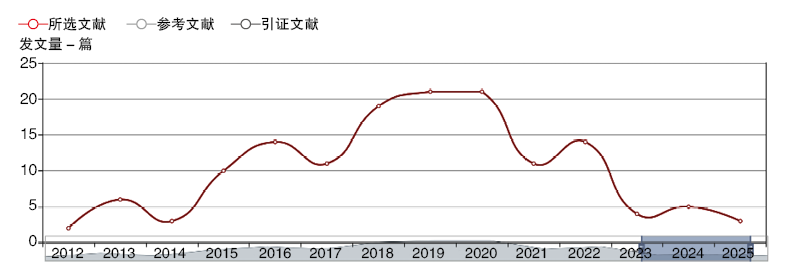
图 1 CSSCI期刊中以“智慧教室”为主题的文章发文量年度趋势统计图
Figure 1 Annual trend chart of the number of articles published on the topic of“Smart Classrooms”in CSSCI journals
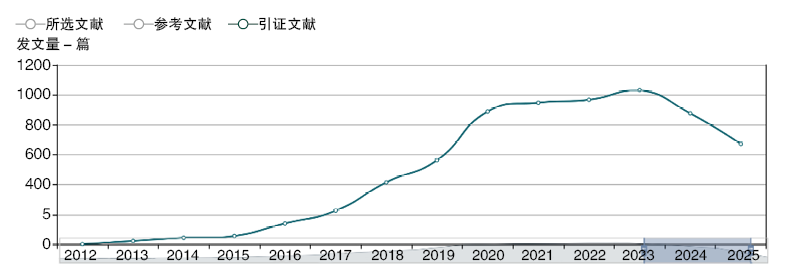
图 2 CSSCI期刊中以“智慧教室”为主题的文章被引量年度趋势统计图
Figure 2 Annual trend chart of citation volumes of articles with the theme of “Smart Classrooms” in SSCI journals
2.2 智慧教室的功能拓展
现代信息技术的发展要求学习生态系统要不断与时俱进[2]。最早,罗纳德·雷西尼奥提出的“Smart Classroom”是一个在传统教室嵌入个人电脑、交互式光盘视频节目、闭路电视、VHS程序、卫星链接、本地区域网络和电话调至解调器的教室。而我国的黄荣怀教授认为“能优化教学内容呈现、便利学习资源获取、促进课堂交互开展,具有情境感知和环境管理功能的新型教室”就可以被称为智慧教室[3]。他于2008年提出了“SMART”概念模型,将智慧教室的“智慧性”总结为内容呈现(Showing)、环境管理(Manageable)、资源获取(Accessible)及时互动(Real-time Interactive)、情境感知(Testing)五个维度。陈一明则认为智慧教学环境就是支持者、技术、环境和资源等维度之间高互动的学习空间,而基于互联网的智慧教学环境一般由以下几部分组成:教学资源、应用模块、云业务管理、服务器集群组与交互管理、基础设施、学习终端等[4]。
因此,为了满足多样化的教学需求,智慧教室在实践中也呈现出不同的形态。有适用于大班授课、侧重优化讲授效果和信息记录的网络型智慧教室,配备高清投影、可记忆板书等增强型基础设备;也有专为小组讨论和协作学习设计的研讨型智慧教室,其特点在于支持多屏互动、移动设备无线投屏,便于开展翻转课堂、项目式学习等新型教学模式。这种学习情景下参与者容易产生兴趣,但需要组织者具有较强的组织能力和良好的人际关系。尽管对于智慧教室的分类标准难以统一,但建设所有智慧教室的共同的目标都是利用技术优势赋能教学,营造一个让学生能够更轻松、更投入、更有效地进行学习的智能化场所,促进教学方式的深刻变革。
3 智慧教室现实困境的审视与反思
尽管智慧教室描绘了激动人心的教育图景,但在实际应用层面,其推广效果与预期之间存在显著差距。笔者所在学校的信息中心曾针对181名校内教师开展了关于智慧教室的使用情况的调查分析。调查显示,90.06%的教师都从未使用过智慧教室。此外,老师们对智慧教室的功能也不甚了解,对于智慧教室的种类及功能的有所了解的老师仅占23.2%~32.6%。但与此相反的是,大部分老师都对使用智慧教室产生了极大的意愿,只不过拥有30年以上教龄的教师长期依托传统教学模式开展授课,缺少常态化信息化教学培训渠道,对智慧教室工具的接受意愿整体偏低。这个现象并不难理解:青年教师对信息化教学手段更容易掌握,而年长的教师对新技术的接受度较弱,信息化课堂教学对他们来说是一项很大的挑战。因此,他们更有可能放弃使用信息化教学手段,依然采用传统授课方式进行课堂教学。无独有偶,文献显示,中国石油大学也面临了相同的困境,尽管建设了多种类型的智慧教室,但在本科教学活动中,使用最广泛的仍然是普通的、仅具备基本多媒体功能的教
室[5]。这表明,在日常教学实践中,传统授课方式依然占据主导地位,智慧教室尚未成为常态化的教学环境,大量先进设备资源处于闲置或低效利用状态。智慧教室使用率低迷的现状背后,潜藏着更为深层的困境。
3.1 智慧课堂实施的形式化
以上一系列现状这不免让我们开始反思智慧教室应用的“形式化”问题。从这个层面上看,不少学校愿意在看得见的“成绩”上下功夫,对智慧教室的核心建设这种耗时耗力的工程投入甚少,有的学校动辄提出一年内建成十几甚至几十间智慧教室,但最后也仅仅是又一批普通的多媒体教室而已[6]。会有这种现象是因为,研究者把精力更多地放在对师生使用智慧教室的技巧、方式、意愿等的研究上,而忽略智慧教室本身是否真正适应教育改革的前进方向这一问题。许多时候,智慧教室仅仅被视为学校现代化水平的标志或应付检查的门面,其内在的教育创新潜力并未被充分挖掘[7]。教师可能只是将先进的交互式白板当作升级版的黑板或投影仪使用,教学方法依然沿袭传统的“教师讲、学生听”模式,未能有效利用智慧教室提供的互动反馈、资源共享、协作探究等高级功能。技术应用与教学内容、教学目标之间常常脱节。
3.2 教师培训的缺乏
进一步分析教师群体的使用情况和态度,可以发现一个很矛盾的现象:一方面,绝大多数教师表示自己并未使用过智慧教室,对其具体功能也不甚了解;另一方面,他们中的大多数人,特别是教龄较短的中青年教师,又表达了愿意尝试使用智慧教室的积极意愿。这揭示了“想用”与“不会用”或“不便用”之间的巨大鸿沟。师生信息化应用能力缺乏的现状及功能开发上的舍本逐末,让本应“便捷”的智慧教室反变“复杂”,进而增加了师生心理上的畏难情绪及使用上的困难[8]。且培训不仅应关注技术使用,更要让教师深入认识智慧课堂本质,认同智慧教学的理念。同时,学生作为智慧课堂主体,需对其有基本认识以开展合作与个性化学习、产生学习兴趣动机和主动建构知识意义。因此我们不难看出,师生培训体系的缺失与低效是制约智慧教室应用的关键瓶颈。
3.3 新旧教学模式磨合的生涩
智慧教室的有效应用必然要求教师角色的转变——从知识的单向传递者转变为学习过程的引导者、组织者和促进者。然而,这种角色转换对教师的教育理念、教学设计能力、课堂管理能力都提出了更高的要求。有很多老师虽然在课堂上运用了智慧的教育技术,但是教学内容仍旧局限于教材知识点,课外教学资源没有通过智慧教学系统引入课堂,日常教学仍是教师讲、学生听,教师提问、学生回答,智慧教学系统在教学中的应用仅限于课前签到和课堂提问,极少应用于教学中的互动。至于线上线下互动和场外连线、学生“自学自讲”更是甚少进行[9]。这种认知与实践的脱节,是导致智慧教室使用率低下的一个关键症结所在。
3.4 使用效果的差强人意
受多重现实条件制约,智慧教室落地应用易出现课堂管理、资源适配等实施难题,但技术本身具备优化个性化教学、课堂互动的先天优势。例如,课堂互动形式的多样化虽然能够激发学生的兴趣,但也可能导致课堂纪律难以控制的问题。尤其是在大班教学环境下,教师需要同时关注教学内容、技术操作、学生状态等多个方面,无形中加重了负担。因此,如何有效地通过信息技术辅助对教学进行即时评估、阶段性总结,形成管理闭环,是智慧教室构建的一项重要业务需求[10]。
此外,也有学者提出学校教学数字化平台构建时,不能完全满足专业教学的需要,存在资源与课程教学所需不符、已有资源内容与课程教学目标不符、开放共享程度低等问题[11]。未来教师需要对学生的需求和教学内容进行全面的分析,利用在线教学的优势,结合课堂教学的长处,通过混合式教学,能够充分利用时间,不断地提升学生的专业技能,实现教学目标。
4 智慧教室的未来展望与优化路径
毋庸置疑的是,技术的革新与教育数字化的全面推进已经势不可挡。但是我们需要明白,智慧教室的未来发展,绝非仅仅是技术的持续堆砌与升级,更应是一场关乎教育理念、评价体系、师生素养与实践模式的深刻变革,其前进的方向应是努力实现从“技术工具主义”向“教育智慧主义”的跨越。
4.1 管理机制
针对智慧教室物理空间闲置的问题,可以创新管理模式,例如开发基于移动互联网的教室预约与管理系统。这样的系统能够实时展示教室的空闲状态,方便师生根据需求灵活预约,无论是用于自主学习、小组研讨、社团活动还是临时教学调整,都能极大提高教室资源的周转率和利用效率。通过简化预约流程,特别是对教师用户的自动审批机制,可以有效盘活闲置资源,让智慧教室在课表之外也能发挥其价值。
4.2 师资发展
破解师资培训难题,需要更加灵活、高效的“极简培训”策略。这可以包括多种形式,比如,制作一系列聚焦特定功能或教学场景的“微课”视频(2~3分钟),通过移动端平台推送,方便教师利用碎片化时间随时随地学习;在设备关键位置张贴二维码,扫码即可观看对应的“一分钟操作指南”短视频,实现“即用即学”。这种化整为零、按需供给的培训方式,能有效减轻教师的学习负担,提高培训的针对性和实效性。此外,还可以通过阿里云智能语音交互在教室端部署语音控制系统,让教师通过简单的口令即可完成常用操作:比如:教师可以通过“请开启录课模式”“请开启讨论模式”等语言指令,控制设备,达到极简使用的目的。
4.3 教学支持
为了促进新旧教学模式的融合,弥合教师在智慧教学设计的困难,可以引入人工智能辅助工具。例如,可以利用Coze开发专门的智慧教室教案生成助手。教师只需输入课程目标、教学内容、学生特点以及计划使用的智慧教室类型和功能等要素,AI助手便能结合先进的教学理论与智慧教学策略,生成个性化的、包含丰富互动环节和技术应用点的教案初稿。这不仅能显著降低教师进行教学设计的门槛和时间成本,更能提供创新的教学思路和活动建议,启发教师思考如何将技术与教学内容更深度地融合,从而推动教学模式从传统向智慧化的平稳过渡。
4.4 技术赋能
为了改善课堂效果,特别是解决学生状态难以掌握、课堂管理难度增加等问题,可以引入基于人工智能的课堂状态分析技术。例如,Kadar等[12]开发的基于Kinect设备的学生情绪识别系统集成眼动、面部表情、步态与姿势等多 模态数据感知和识别学生的情绪状态。Gup等[13]开发的学生情绪分析系统利用最大边缘人脸检测法检测学生面部,使用卷积神经网络识别学生情绪,进而计算每节课中每位学生高积极、高负面、低积极和低负面等四种状态的时间占比,以此预测学生的课堂参与度和学习效率。尽管先进技术在硬件建设中的应用愈加普遍和成熟,但技术始终需要人去发明、发展和应用。教育的本质是培养人,教育过程中的人是教育者、学习者,是共同的行动者。适切的硬件设施应人的需求而生、为人的主观能动性发挥创造空间、助力人的水平的提高。如果让技术凌驾于人之上,淡化甚至忽视作为主体的人,那么提高人才培养质量的最终目标也就无法达成[14]。
4.5 评价方式
构建与智慧教育理念相适应的多元化、过程性评价体系至关重要。智慧教室的评价机制应充分结合数据挖掘、学习分析、内容分析等技术,与发展性评价有机融合;通过数字化学习发展性评价系统采集和存储数据,达到评价多样化和个性化的效果[15]。对学生的评价需要超越单一的分数维度,更加关注其在探究过程中的思考与表达、解决问题的能力、创新成果的价值以及综合素质的提升。在评价同时,我们也要格外关注过程性评价的时效性,如果教师不能及时给予评价反馈,会降低学生的学习动力和学习效果。对课堂教学乃至学校整体“智慧”水平的评价,也应从过去偏重硬件配备、技术应用展示,转向深入考察教学及学生学习成果与智慧成长的实际增益[16]。
5 结语
智慧教室,作为信息技术与教育深度融合的产物,承载着我们对未来教育的美好憧憬。然而,当前普遍存在的实施形式主义、对教师和学生的培训不足、新旧教学模式磨合生涩以及教学效果不理想等问题,警示我们其推广之路并非坦途。分析可见,这一困境是技术、理念、模式、培训、评价等多重因素交织作用的结果。仅仅依靠先进的硬件设施,并不能自动催生教育的革新。
要提升智慧教室的应用效能,可以从管理机制、师资发展、教学支持、技术赋能、评价方式等多个角度入手,但更根本的,是需要推动一场从教育理念到实践范式的深刻变革,真正实现从“技术中心”向“学习者中心”的回归,从“工具智慧”向“智慧主义”的升级。
参考文献
[1] Rescigno R C.Practical implementation of education al technology[EB/OL].[2022-09-19].https://www.learntechlib.org/p/ 141600/.
[2] Selwyn N,Hillman T,Eynon R,et al.What’s Next for Ed-Tech? Critical Hopes and Concerns for the 2020s[J].Learning,Media and Technology,2020,45(1):1-6.
[3] 黄荣怀,胡永斌,杨俊锋,等.智慧教室的概念及特征[J].开放教育研究,2012,18(2):22-27.
[4] 陈一明.“互联网+”时代课程教学环境与教学模式研究[J].西南师范大学学报(自然科学版),2016,41(3):228-232.
[5] 毛荣,阮静.高校智慧教室应用优化研究与实践——以中国石油大学(北京)为例[J].中国多媒体与网络教学学报(上旬刊),2025,(1):5-8.
[6] 殷斌.智慧教室建设现状及发展方向[J].现代信息科技,2018,2(12):135-137.
[7] 陈力行,王鑫,曹伍军.基于OPST框架的“教学先行”智慧教室建构模式探究[J].中国教育信息化,2022,28(9):103-110.
[8] 张海霞,陶红娜.高校智慧教室建设探讨[J].智库时代,2019,(51):101-103,105.
[9] 王红丽.高校思政课智慧教学的困境与对策研究[J].产业与科技论坛,2024,23(22):139-141.
[10] Charoula Angeli,Sarah K,Howard Ma J,et al.Kirschner.Data mining in educational technology classroom research:Can it make a contribution? [J].Computers & Education,2017,113:226-242.
[11] 沈璐,胡新岗,李莹,等.高职院校教学数字化体系构建的驱动机理、现实困境与突破策略[J].职业教育研究,2024,(12):13-18.
[12] Kadar M,Restrepo E G,Ferreira F,et al.Affective computing to enhance emotional sustainability of students in dropout prevention[A]// International Conference on Software Development and Technologies for Enhancing Accessibility and Fighting Info-Exclusion.Vila Real,Portugal:ACM,2016:85-91.
[13] Gupta S K,Ashwin T S,Guddeti R M R.Students’ affective content analysis in smart classroom environment using deep learning techniques[J].Multimedia Tools and Applications,2019,(18):25321-25348.
[14] 杨琦蕙.技术为重还是以人为先——C师范学院教师教育实训中心建设评析[J].宜宾学院学报,2020,20(10):15-23.
[15] 李振超,陈琳,郑旭东.大数据理念下的发展性学习评价系统设计研究[J].现代教育技术,2015,(6):108-114
[16] 陈晓坤,成协设.新农科背景下大学数学类课程混合式教学实践困境与策略优化——以概率论与数理统计课程为例[J].湖北师范大学学报(自然科学版),2023,43(4):110-114.