Current Views: 1286385
 Current Downloads: 802357
Education Study
ISSN Print:2707-0611
ISSN Online:2707-062X
Contact Editorial Office



Subscribe to the latest published information from SCISCAN
基于GSEQ技术的初中乒乓球课堂教学行为模式挖掘与优化
Mining and Optimization of Teaching Behavior Patterns in Middle School Table Tennis Classes Based on GSEQ Technology


-
Information:
哈尔滨体育学院,哈尔滨
-
Keywords:
GSEQ technology; Lagged sequence analysis; Middle school table tennis; Classroom teaching behavior; Behavioral patternsGSEQ技术; 滞后序列分析; 初中乒乓球; 课堂教学行为; 行为模式
- Abstract: Middle school table tennis classroom teaching behaviors exhibit characteristics such as skill standardization, intensive practice frequency, and real-time interactivity. Traditional static frequency analysis struggles to capture temporal transition patterns between behaviors. This study employs lagged sequence analysis and GSEQ technology to identify dynamic patterns in middle school table tennis classroom teaching behaviors. Using two “table tennis forehand stroke” lessons with different instructional designs as samples, behavioral coding was performed using BORIS software; 5-second time slices and sequence reconstruction were conducted via Python scripts; and lagged sequence analysis was performed with GSEQ software (lag=1, Z-score>1.96). The results identified 19 significant behavioral sequences across both lessons, revealing two distinct patterns: Lesson A follows a “teacher-led – behavioral inertia” model, while Lesson B exhibits a “student-initiated – teacher-responsive” pattern. Common issues emerged in both lessons: teacher explanations accounted for over 30%, student interaction was insufficient (20%), technical assistance utilization was below 3.5%, and problems included self-repetitive teacher explanations, students’ behaviors failing to trigger teacher feedback, and isolated use of technical aids. The study demonstrates that the integrated BORIS-Python-GSEQ framework effectively analyzes dynamic temporal structures in physical education classroom behaviors. Based on these findings, this paper proposes a three-stage improvement mechanism (“analysis-diagnosis-optimization”), a differentiated teacher support system, and pathways for deep integration of technology and teaching practices, providing data-driven insights and practical recommendations for enhancing middle school table tennis classroom instruction quality. 初中乒乓球课堂教学行为具有技能规范性、练习密集性与互动即时性等特征,传统静态频次分析难以捕捉行为之间的时序转换规律。本研究运用滞后序列分析与GSEQ技术,挖掘初中乒乓球课堂教学行为的动态模式。以两节“乒乓球正手攻球”同课异构课程为样本,通过BORIS软件进行行为编码,利用Python脚本完成5秒时间切片与序列重构,采用GSEQ软件进行滞后序列分析(Lag=1,Z-score>1.96)。结果显示,两节课堂共识别出19条显著行为序列,呈现两种典型模式:课堂A为“教师主导—行为惯性”型,课堂B为“学生触发—教师响应”型。两节课堂存在共性问题:教师讲解占比均超30%,学生互动不足占比20%,技术辅助占比低于3.5%,且存在教师讲解自身循环、学生行为未能主动触发教师反馈、技术辅助形成“孤岛”等问题。研究表明,“BORISPython-GSEQ”集成分析框架能有效解析体育课堂教学行为的动态时序结构。据此,本文提出“分析—诊断—优化”三阶段改进机制、差异化教师支持体系及技术与教学深度融合路径,为提升初中乒乓球课堂教学质量提供数据支撑与实践参考。
- DOI: 10.35534/es.0806109
- Cite: 韩海娟.基于GSEQ技术的初中乒乓球课堂教学行为模式挖掘与优化[J].教育研讨,2026,8(6):617-622.
1 引言
2018年,教育部印发《教育信息化2.0行动计划》[1]及2020年发布《关于加强“三个课堂”应用的指导意见》[2]。我国高度重视同步课堂,将其作为“专递课堂”的具体形式,以实现优质资源共享和促进教育公平。各地积极响应政策、推广同步课堂教学,但实际效果参差不齐[3]。课堂教学行为研究,可以帮助研究者和教学者准确把握学习者潜在的行为模式,总结课堂师生行为的特点,从而有效指导后续教学设计与实施[4]。课堂教学行为的时序结构与互动逻辑,直接影响课堂教学质量与学生技能习得的成效。初中乒乓球教学兼具技能规范性、练习密集性与互动即时性的特点,教师讲授、指导与学生练习、互动等行为在时间轴上形成动态链条,共同塑造课堂形态。传统课堂分析以静态频次统计为主,难以捕捉各类行为间的转换规律。通过滞后序列分析法分析课堂行为数据,探索教师课堂教学行为序列,形成可视化教学行为模式[5]。滞后序列分析为突破静态局限、解析课堂动态行为结构提供了可行路径。
近年来,滞后序列分析与GSEQ技术在师生互动、教学模式挖掘等领域得到逐步应用,为课堂行为时序解析提供了方法借鉴[11]。但现有研究仍存在明显短板:针对初中乒乓球课堂的行为序列研究匮乏,缺乏贴合专项教学特征的编码体系;多数研究停留于频次分析,对显著行为序列的挖掘不足,研究的规范性与可复制性有待提升[6]。GSEQ技术可高效识别不同行为之间的显著转换关系,为弥补上述不足、开展专项课堂深度分析提供可靠手段。
基于此,本研究以初中乒乓球课堂教学行为为研究对象,运用GSEQ技术对两节课的课堂行为进行系统编码与量化分析。通过构建行为转换矩阵、计算调整残差(ADJR)、开展卡方检验(XSQ),系统挖掘师生行为的时序关联、转换规律与显著序列模式,精准诊断课堂教学行为存在的问题。在此基础上提出针对性优化策略,构建乒乓球课堂“行为编码—序列挖掘—模式诊断—教学优化”的完整研究框架,既为提升初中乒乓球课堂教学质量、优化教师教学行为提供数据支撑与实践参考,也为同类体育专项课堂的教学行为量化研究,提供可借鉴的技术范式与研究思路。
2 研究方法
2.1 研究对象
本研究选取两节“乒乓球正手攻球”同课异构教学视频作为分析样本,两节课时长均为40分钟,由不同教师授课,样本具备良好的代表性与可比性。
2.2 教学行为编码体系构建
本研究构建了视频分析专用的行为编码体系,如表1所示。该体系将教学行为划分为教师行为和学生行为两大类别,涵盖9种具体类型,并为每种行为设置了唯一代码和操作性定义,以确保编码结果的可靠性[7]。
表 1 体育课堂教学行为编码体系
Table 1 Sports classroom teaching behavior coding system
| 行为主体 | 代码 | 行为类型 | 操作定义 |
| 教师行为 | T | 讲解、提问、指令 | 传授知识、下达任务、提问 |
| D | 示范 | 教师展示正确动作 | |
| G | 指导、反馈 | 针对性指导或口头表扬 | |
| E | 技术辅助 | 使用电子设备 | |
| M | 课堂管理 | 队伍调动、器材分发、纪律维护 | |
| 学生行为 | P | 身体练习 | 学生进行身体活动 |
| S | 言语、互动 | 口头回答或互动 | |
| R | 示范 | 学生出列像全班展示动作 | |
| N | 沉默或混乱 | 静思或无效状态 |
2.3 基于BORIS的教学行为数据采集与编码
本研究采用BORIS软件进行课堂教学行为数据采集。将表1中的9类行为编码(T、D、G、E、M、P、S、R、N)导入软件,由两名经过统一培训的研究员,分别对两节教学视频逐帧编码,记录各类行为的起止时间与转换节点。编码后进行观察者一致性检验,Kappa=0.86(p<0.001),表明编码信度极佳。
随后通过Python脚本对BORIS导出的日志数据进行自动化处理,完成数据清洗、冗余信息剔除、5秒时间切片与行为序列重构,最终输出GSEQ兼容格式文件,研究以Z-score>1.96作为行为序列显著性判定标准。
“BORIS-Python-GSEQ”集成分析框架的完整技术流程如图1所示,可实现了从视频采集到行为序列挖掘的全流程自动化处理。
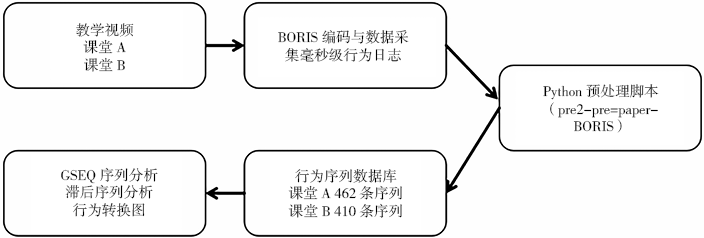
图 1 “BORIS-Python-GSEQ”集成分析框架技术流程图
Figure 1 Technical flowchart of the “BORIS-Python-GSEQ” integrated analysis framework
2.4 滞后序列分析算法与关键参数
针对体育课堂时序结构的分析,本研究采用了5秒固定间隔分割法。为实现原始行为日志到序列模式的可计算挖掘,研究构建了自动化数据处理与分析流程,核心算法与关键参数说明如下:需要说明的是,滞后序列分析对行为频次具有一定要求,低频行为(如本研究的E、R)对应的Z值稳定性较差,结果解读时需谨慎[11],课堂行为的时序结构分析可参考相关系统综述[13]。
2.4.1 行为序列离散化与状态定义
采用固定时间间隔分割法。设课堂总时长为T(秒),时间间隔Δt=5秒,将课堂划分为N= T/Δt
T/Δt 个时间单元。每个时间单元i的状态
 由该单元内累计持续时间最长的行为代码确定,计算公式为:

其中,B表示所有行为代码集合,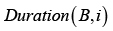 表示行为B在第i个时间单元内的总持续时间。
2.4.2 滞后序列分析数学模型
构建k×k频次转移矩阵F(k=13),元素 表示行为i后出现行为j的观测频次。调整后残差
 计算公式如下:

其中,期望频次 的计算公式:
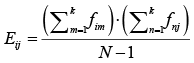
2.4.3 显著性检验准则
当 >1.96时(p<0.05),认为行为序列i→j具有统计显著性,作为显著行为序列,并据此绘制课堂教学行为模式图[5]。
3 体育教学行为数据的分析结果
教学行为频次统计结果显示,课堂A、课堂B行为总次数相近(分别为462次与410次)。两节课堂均以“讲解、提问、指令”为主课堂A占31.4%;课堂B占31.5%。课堂A“指导、反馈”更为频繁17.7%;课堂B“言语、互动”占比更高18.3%。具体行为频次分布如表2与表3所示。
表 2 课堂A调整后的残差值
Table 2 Adjusted residual values for class A
| T | D | G | E | M | P | S | R | N | |
| T | 10.44* | -0.31 | -4.21 | -2.57 | 0.85 | -5.76 | 0.01 | -2.27 | -0.55 |
| D | -1.74 | 9.9* | -2.92 | -1.14 | -1.37 | 0.64 | -1.84 | -1 | -0.67 |
| G | -4.31 | -3.12 | 10.34* | 1.08 | -2.12 | -1.2 | -0.56 | -1.56 | 1.31 |
| E | -1.96 | -1.19 | 0.44 | 13.58* | -0.81 | -1.55 | -1.09 | -0.59 | -0.4 |
| M | -1.46 | -0.57 | -2.02 | 0.58 | 10.57* | -1.46 | -0.39 | 0.84 | -0.47 |
| P | -4.68 | -1.42 | -1.35 | -2.11 | -2 | 11.72* | -3.01 | -1.87 | -1.25 |
| S | -0.17 | -1.38 | 0.31 | -1.12 | -1.35 | -3.63 | 8.55* | 0.13 | 0.99 |
| R | -0.93 | -1.05 | -1.52 | -0.59 | -0.71 | -1.92 | -0.96 | 17.49* | -0.35 |
| N | 0.69 | 0.51 | -1.21 | -0.47 | 1.3 | -1.53 | 0.68 | -0.42 | 3.4* |
表 3 课堂B调整后的残差值
Table 3 Residual values after adjustment for class B
| T | D | G | E | M | P | S | R | N | |
| T | 9.03* | -0.12 | -4.41 | - | -1.19 | -0.99 | -4.93 | -1.94 | 0.77 |
| D | -0.61 | 10.57* | -2.14 | - | -2.01 | -1.56 | -1.46 | -0.87 | -1.07 |
| G | -4.02 | -1.48 | 11.67* | - | -2.16 | -2.72 | 1.74 | -0.94 | -1.16 |
| E | - | - | - | - | - | - | - | - | - |
| M | -0.92 | -2.01 | -2.24 | - | 11.25* | -2.62 | -2.54 | 0.32 | 1.91 |
| P | -1.76 | -2.39 | -2.34 | - | -2.08 | 12.29* | -4.24 | -1.3 | -0.82 |
| S | -4.92 | -2.52 | 2.87* | - | -2.67 | -4.2 | 13.04* | -1.35 | -1.66 |
| R | -1.1 | 0.38 | -0.99 | - | -0.93 | -1.35 | -1.32 | 15.09* | -0.5 |
| N | 0.84 | -0.29 | -1.37 | - | 2.31* | -1.87 | -1.82 | 1.35 | 4.00* |
注:*表示 >1.96,序列显著;“—”表示该行为在课堂中未出现,相关单元格的观测频次与期望频次均为0,调整残差无定义。
3.1 行为频次与序列模式特征
教学行为频次统计显示,两节课堂行为总数相近(课堂A为462次,课堂B为410次),整体行为密度基本一致,且均呈现“教师主导”特征,教师行为占比超过学生行为。
在具体行为分布上,两节课堂均以“讲解、提问、指令”(T)为核心行为(课堂A为31.4%,课堂B为31.5%),说明讲解是课堂教学中最主要的教师行为。然而,两节课堂在指导与互动行为上存在明显差异:课堂A“指导、反馈”(G)占比为17.7%,显著高于课堂B的9.8%,表明课堂A教师更倾向于频繁介入、给予个别化指导;课堂B“言语、互动”(S)占比为18.3%,明显高于课堂A的8.0%,反映出课堂B学生拥有更多的口头回答与同伴交流机会,课堂互动氛围更为活跃。此外,课堂A存在“技术辅助”(E)行为(占比3.0%),课堂B未观察到该类行为,说明技术辅助手段在当前初中乒乓球课堂中的应用仍然有限。
3.2 体育课堂教学行为模式分析
基于滞后序列分析得到的调整后残差矩阵,本研究进一步分析两节课堂的行为转换规律。表2和表3分别呈现了两节课堂的调整后残差值(Z-score),依据滞后序列分析原理,当Z-score>1.96时,行为序列具有统计学显著性(p<0.05)。
分析结果显示,课堂A共识别出9条显著行为序列,且全部为行为自循环,表明该课堂呈现较强的“行为惯性”,师生均倾向于连续执行同一类型行为,缺乏跨类型动态转换。课堂B共识别出10条显著行为序列,其中包含8条自身循环和2条跨类型转换,分别为学生言语互动触发教师指导(S→G,Z=2.87)和沉默混乱转为课堂管理(N→M,Z=2.31)。这表明课堂B中学生能够通过言语互动主动引发教师回应,同时在课堂秩序出现问题时,教师能及时介入管理,显示出灵活运用师生互动与课堂调控的能力。
对比两节课堂发现,课堂A呈现“教师主导—行为惯性”型特征,9条显著序列均为自身循环;课堂B呈现“学生触发—教师响应”型特征,虽仍以自循环为主,但已出现学生主动发起、教师回应的有效跨类型行为衔接,说明不同教师的教学行为组织方式存在显著差异。两节课堂均缺乏教师行为直接触发学生积极回应(如指导→互动、提问→应答)的显著序列,说明教师主导的即时互动链条尚未有效建立。已有研究表明,体育教师的言语行为具有可识别的模式特征[12]。基于调整后残差矩阵的显著行为序列,本研究绘制了两节课堂的教学行为模式图,如图2、图3所示。
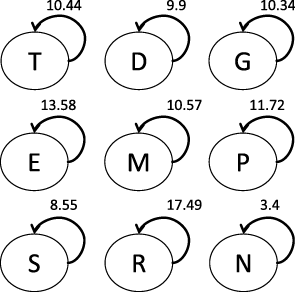
图 2 课堂A教师教学行为模式图
Figure 2 Diagram of teacher A’s teaching behavior patterns in the classroom
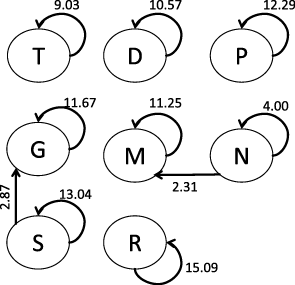
图 3 课堂B教师教学行为模式图
Figure 3 Diagram of teacher B’s teaching behavior patterns in the classroom
4 基于行为序列的体育课堂教学行为评价
本研究基于行为频次统计与滞后序列分析结果,从教师主导程度、学生参与水平、技术融合深度等维度进行综合评价。频次数据显示,两节课堂“讲解、提问、指令”(T)占比分别为31.4%和31.5%,是最主要的行为类型。学生行为方面,课堂A言语互动(S)占8.0%,课堂B占18.3%,均低于讲解占比。课堂A存在自身循环S→S(Z=8.55),但未形成与教师行为的跨类型转换;课堂B虽存在学生言语互动触发教师指导的显著序列(S→G,Z=2.87),但同样缺乏教师直接触发学生回应的显著序列。两节课堂学生展示(R)占比均不足2.5%,且未形成与教师反馈的转换序列,表明学生主体作用未充分发挥。
对比两节课堂发现,课堂A呈“教师主导—行为惯性”型,指导占比高(17.7%)但转换单一;课堂B呈“学生触发—教师响应”型,互动活跃(18.3%)且存在学生主动发起的行为链条,但教师指导占比较低(9.8%)。综上,两节课堂均存在教师讲解主导、学生互动不足、技术应用薄弱的共性问题。在互动发起方向上,课堂A缺乏跨类型转换,课堂B的跨类型转换主要由学生发起。
5 体育课堂教学行为的优化策略
5.1 构建“分析—诊断—优化”改进机制
基于本研究的滞后序列分析结果,两节课堂均存在教师讲解自循环T→T、行为转换单一等问题,为此构建“分析—诊断—优化”三阶段教学改进闭环机制。在分析阶段,通过课堂录像与BORIS软件进行行为编码,以5秒为时间切片对课堂行为进行离散化处理,利用GSEQ软件计算行为转换的调整后残差Z值,建立行为序列数据库。在诊断阶段,基于分析结果识别问题序列,本研究发现两类典型问题:一是“过度讲解”序列T→T,Z>9.0,表明教师连续讲解时间过长;二是“技术孤岛”序列E→E,Z=13.58,表明技术辅助行为未能有效衔接学生练习环节。在优化阶段,针对诊断出的问题设计干预方案,如将连续讲解拆分为“精讲—练习—指导”的微循环,并通过后续课堂的滞后序列分析验证改进成效,形成持续优化的教学反思机制。
5.2 差异化教师支持体系
本研究发现,两节课堂呈现截然不同的行为模式,课堂A为“教师主导—行为惯性”型,课堂B为“学生触发—教师响应”型,因此需要针对不同课堂类型设计差异化教师支持策略。针对“教师主导—行为惯性”型课堂如课堂A,重点培训教师的问题设计与追问技巧,引导教师将连续的讲解行为T→T,拆解为“讲解→提问→应答→反馈”的互动链条,同时通过观摩优秀案例,帮助教师掌握“精讲多练”的课堂节奏控制方法。针对“学生触发—教师响应”型课堂B,则应着力提升教师的过程性指导能力,避免因过度放手导致学生练习偏离技术规范,具体可采取“巡回指导+即时反馈”的策略,增加指导行为G与练习行为P之间的有效转换。此外,建议组建校际教研共同体,将两类课堂的优秀实践进行提炼与推广,促进不同风格教师之间的经验共享与协同发展,动态分层教学法能够有效应对学生能力差异,通过分组教学、分层任务与动态调整机制,践行“因材施教”教学理念,显著提升课堂教学的适配性与效率,为“精准教学”在中学体育课堂中的落地实施提供理论和实践支撑。总的来说,动态分层教学法是初中体育篮球教学中一种科学、有效的方式,与传统教学法相比,能更好地挖掘学生潜力,提高学生学习的主动性和积极性。[10]李洋等构建的“学—练—赛—评”一体化乒乓球教学框架,同样强调技术体系化与战术情境化的整合[9],与本研究的优化策略形成互补。
5.3 技术与教学的深度融合
本研究发现,课堂A技术辅助行为(E)占比仅3.0%,且仅为自循环(E→E,Z=13.58),未能有效衔接学生练习环节;课堂B则完全未使用技术辅助。为此,应确立“技术服务于教学”原则,将技术手段嵌入教学行为链条。首先,建立标准化应用流程:示范环节使用慢动作回放帮助学生建立动作表象;练习环节采用视频录制与即时回放支持自我纠错;评价环节借助动作分析软件,为教师评价反馈提供数据支撑。其次,突破技术“孤岛”状态,设计“技术示范→学生模仿→技术回放→纠错指导”的整合序列,构建“E→P→G”的良性转换链条。最后,引入可穿戴设备、智能感知系统,实时采集学生心率、动作轨迹等数据,实现从“经验驱动”向“数据驱动”的教学决策转型。奉浩卿的调查指出,场地器材不足是制约乒乓球课程教学质量的主要因素,该结论与本研究结果相互印证[8]。
6 研究结论
本研究构建了“BORIS-Python-GSEQ”集成分析框架,对两节初中乒乓球正手攻球同课异构课堂样本进行分析,得出以下结论:第一,该框架能有效捕捉体育课堂教学行为的动态时序结构,实现了从教学视频到行为序列模式挖掘的全流程自动化处理(编码信度Kappa=0.86,5秒切片)。第二,两节课堂共识别出19条显著行为序列,呈现两种典型模式:课堂A为“教师主导—行为惯性”型(9条自身循环序列,无跨类型转换);课堂B为“学生触发—教师响应”型(8条自身循环序列,2条跨类型转换序列,分别为学生言语互动触发教师指导S→G、沉默混乱转为课堂管理N→M)。第三,两节课堂存在共性问题:教师讲解占比均超30%,学生互动不足20%,技术辅助低于3.5%,且存在教师讲解自身循环、学生行为未能主动触发教师反馈、技术辅助形成“孤岛”等现象。第四,提出了“分析—诊断—优化”三阶段改进机制、差异化教师支持体系,以及技术与教学深度融合路径。
本研究的局限性在于:第一,研究样本量较小,仅分析了两节课堂;第二,部分行为(如E、R)频次过低,导致滞后序列分析的统计稳定性不足,相关显著序列(如E→E、R→R)的结论需谨慎解读;第三,未来应拓展至更多项目,扩大样本范围,并融合多模态数据进行综合分析。
参考文献
[1] 中华人民共和国教育部.教育部关于印发《教育信息化2.0行动计划》的通知[Z].教技〔2018〕6号,2018.
[2] 中华人民共和国教育部.教育部关于加强“三个课堂”应用的指导意见[J].中华人民共和国教育部公报,2020(3):12-15.
[3] 贾玉璐,杨丽勤.基于滞后序列分析的同步课堂教学互动行为研究[J].电脑与电信,2025(11):34-41.
[4] 袁磊,梁世松,龙露露,等.基于滞后序列分析的有效STEM课堂教学行为研究[J].现代远距离教育,2025(6):43-52.
[5] 刘冬萍,张海,孙中华.实践智慧解码:基于专家与新手教师教学行为画像的诠释[J].教育发展研究,2026,46(4):41-48.
[6] 谭世君,吉洪林.基于滞后序列的体育课堂行为模式研究[J].北京体育大学学报,2025,48(2):112-120.
[7] 赵琳.中小学体育课堂教学行为编码体系构建与应用[D].上海:华东师范大学,2023.
[8] 奉浩卿.初中乒乓球课程的开展现状对比分析及其影响因素研究[D].北京:北京师范大学,2024.
[9] 李洋,隋红.水平四乒乓球大单元教学设计与实践[J].体育世界,2025(10):24-27.
[10] 游东居.基于体育核心素养的初中篮球动态分层教学策略[J].亚太教育,2024,(16):84-87.
[11] Bakeman R,Quera V.Analyzing Interaction:Sequential Analysis with SDIS and GSEQ[M].New York:Cambridge University Press,2011.
[12] García-Fariña A,Jiménez-Jiménez F,Anguera M T.Observation of communication by physical education teachers:Detecting patterns in verbal behavior[J].Frontiers in Psychology,2018,9:334.
[13] Araújo R,Mesquita I,Hastie P A.Analysis of the temporal structure of physical education classes:A systematic review[J].Journal of Sports Sciences,2019,37(12):1356-1367.