Current Views: 1301910
 Current Downloads: 814350
Education Study
ISSN Print:2707-0611
ISSN Online:2707-062X
Contact Editorial Office



Subscribe to the latest published information from SCISCAN
大班幼儿家长死亡教育态度研究——以漳州市幼儿园为例
Research on the Attitudes of Parents of Senior Kindergarten Children towards Death Education — Taking Kindergartens in Zhangzhou City as an Example


-
Information:
1.黄冈师范学院,黄冈;
2.泉州职业技术大学,泉州
-
Keywords:
Death education; Senior kindergarten; Family education死亡教育; 大班幼儿; 家庭教育
- Abstract: This study examines the attitudes of parents of kindergarten senior-grade children toward death education, given the current relative scarcity of such initiatives in mainland China. Through semi-structured interviews (each lasting approximately one hour) with 10 parents in Z City, the study explores parental perceptions and pedagogical dispositions. Key Findings: (1) Cognitive Perceptions of Death and Life: Perceptions of Death: A coexistence of viewing death as a natural process alongside deep-seated internal fear. Perceptions of Life/Birth: A combination of valuing the sanctity of life and acknowledging the responsibilities of child-rearing. Perceptions of Aging: A struggle between the reluctance to accept the passage of time and the gradual acceptance of life’s finitude. Perceptions of Illness: A reflection on human vulnerability and suffering, tempered by varying degrees of fatalistic acceptance. (2) Conceptual Understanding: Participants demonstrated specific, albeit varied, conceptual frameworks regarding the definition and scope of death education. (3) Pedagogical Agency: Parents identified educators as the primary agents for the implementation of formal death education. (4) Developmental Appropriateness: Participants reached a consensus that the senior kindergarten stage is an appropriate developmental period for introducing death education. (5) Support for Implementation: There is significant parental support for integrating death education into the curriculum. (6) Practical Efficacy: Parents expressed a perceived lack of competency and self-efficacy in facilitating death education at home. Conclusion: Factors Influencing Parental Perspectives on Death Education The research identifies six primary factors contributing to the disparities in parental perceptions of death education: Educational Attainment: The level of formal education. Life Experiences: Cumulative personal history and life events. Occupational Background: Differences in professional roles and contexts. Cognition-Action Discrepancy: The inconsistency between intellectual understanding and behavioral practice. Cognitive-Affective Separation: The disconnect between verbal expressions regarding death and internal emotional responses. Internal Integration: The lack of alignment between abstract understandings of life and death and daily behavioral expressions. 本研究基于国内死亡教育相对欠缺的现状,采用访谈法对漳州市10名大班幼儿家长进行访谈,访谈时长为1小时,探讨大班幼儿家长对死亡教育的态度。研究结果如下:(1)死亡教育认知:看待死亡:顺应自然与内在恐惧并存、看待生命诞生:珍视生命价值与养育责任兼具、看待衰老:不舍时光流逝,逐步接纳生命有限、看待疾病:感慨脆弱痛苦,或者坦然接纳天命;(2)死亡教育概念理解;(3)教师为死亡教育实施主体;(4)大班阶段为开展死亡教育适当年龄;(5)支持开展死亡教育;(6)实践幼儿死亡教育能力不足。研究结论:家长对死亡教育认知差异的六大因素:学历层次、生活经历及经验、职业差别、认知与行动不一致、生死表达与内在情绪存在认知情感分离、生死认知与日常行为未达成内在统一。
- DOI: 10.35534/es.0807149
- Cite: 蔡宜秀,罗焕翔,潘是辉,等.大班幼儿家长死亡教育态度研究——以漳州市幼儿园为例[J].教育研讨,2026,8(7):856-865.
1 引言
1.1 研究背景
《2022年国民抑郁症蓝皮书》统计调查可知,50%的抑郁症患者为在校学生,18岁以下的抑郁症患者占总人数的30%[1]。内卷、白幼瘦、人际关系等,都为青少年带来不可抗拒的压力,青少年的焦虑与抑郁情绪已经成为不可忽视的社会现象与教育问题。
有学者关注到,死亡回避文化对青少年心理健康产生潜在影响,但这仅是诸多影响因素之一。受我国传统文化中“谈死色变”的固有认知制约,死亡议题长期被赋予高度敏感性与禁忌属性。国内教育体系普遍存在死亡教育缺位的问题,客观上制约了生命教育的推广与纵深发展。
1.1.1 研究动机
存在的价值,是个体成长过程中终将直面的核心命题。世间万物有生亦有灭,能否在生命终结前寻获自身存在的意义,是学界围绕生命议题持续探索的核心方向。对存在本质的追问,无法脱离对死亡的思考:一切生命自诞生起便不断走向死亡,死亡亦是所有生命无法规避的终极归宿。
受我国传统文化“重生讳死”价值导向的长期影响,死亡议题长久以来被划定为社会禁忌。大众谈及死亡相关内容时,极易遭受误解、偏见与异样审视,加之当前多数成年人成长阶段并未接受系统的死亡教育。基于这一现实背景,本研究聚焦家长群体,探究其对死亡教育的认知程度、接纳态度及理想实施形式,挖掘相关观念与行为背后的深层成因。
关于死亡教育适宜开展的阶段,学界存在不同观点。黄天中提出,自幼儿时期,便可有序开展生死启蒙教育[2]。黄玉涵提出,幼儿在日常生活中接触植物枯萎、动物离世、生命消逝等自然现象时,会自发萌生对生死议题的好奇与探究欲。若缺乏针对存在与消亡的正向引导,幼儿面对心爱事物消亡时,易滋生对死亡的排斥与抗拒。同时,影视动画中角色牺牲的情节,又会使其对死亡产生猎奇甚至崇拜心理,部分幼儿会结合自身所见所闻产生模仿行为[3]。赵晓辉梳理相关研究后发现,死亡教育相关理论与实践已有一定发展,但该议题在学前教育领域的研究基础仍较为薄弱。现有相关研究多以幼儿园为载体,研究对象集中于幼儿教师与幼儿两类群体。家长是幼儿的首位教育者与生命安全第一监护人,家庭作为幼儿日常成长的核心场景,在生死启蒙教育中具备不可替代的作用[4]。
1.1.2 研究目的与研究问题
(1)研究目的
第一,了解大班幼儿家长对死亡教育的认知现状;
第二,了解大班幼儿家长对死亡教育的态度;
第三,了解大班幼儿家长开展死亡教育的实施形式。
(2)研究问题
第一,大班幼儿家长对死亡教育具备怎样的认知?
第二,大班幼儿家长对待死亡教育是何种态度?
第三,大班幼儿家长开展死亡教育会采取哪种实施形式?
2 国内外研究动态
公众普遍存在避死心态,对死亡议题长期保持漠视与回避状态,在幼儿生死认知教育上,更是多选择缄默、敷衍的消极处理方式。
2.1 生与死相关研究
以下为本研究关于生死观的经典探究、死亡教育发展、家长对死亡教育态度的国内外研究成果。
2.1.1 生死观的经典探究
从思想史溯源来看,国人的生死认知与生命态度,长期受到儒、道、佛传统思想及民间信仰的浸润,共同形成了本土独特的生死文化体系,也奠定了当代社会“避死、讳死”的集体心理基础。
儒家生死观呈现出典型的“重生轻死”特征,注重通过生命价值与伦理礼仪建构生存意义,弱化对死亡议题的探讨。孔子提出“未知生,焉知死”[5],主张个体应当立足现世人生、专注生命实践,暂置死亡议题于后;孟子提出“舍生取义”的价值准则,将生命的终极意义落脚于道义坚守与人格实现。整体而言,儒家思想推动国人形成了重视现世生存、回避死亡讨论的文化习惯。
道家秉持顺化自然、齐同生死的自然主义生死观,主张以豁达、无为的心态接纳生命自然规律。《庄子》有言:“人之生,气之聚也,聚则为生,散则为死,故万物一也。”[6]道家认为,生死本为自然元气流转的不同形态,本质归于一体,无需过度执着、恐惧生死别离,倡导顺应天道、坦然面对生命的诞生与消亡。
佛教传入我国后,进一步丰富了传统生死思想体系,构建了超越世俗生死执念的精神维度。《中阿含经》将人生境遇归纳为“八苦”,指出生命过程本就伴随得失、别离、消逝等常态困境,个体极易陷入对现世状态的执念与困顿。因此,佛教思想倡导放下短期得失与生命执念,以通透的视角看待生死轮回,追求精神层面的超脱与安顿。从思想史角度而言,该观念深刻影响了国人面对生命消逝、生死别离的底层认知。
此外,本土民间信仰作为非制度化的民俗文化体系,以祈福禳灾、安顿人心为核心功能,依托各类民俗仪式与传统习俗,为普通民众提供了生死情绪的慰藉渠道与精神寄托,进一步固化了民众“敬死、避死、畏死”的日常生死观念[7]。
整体来看,儒、道、佛三家思想及民间信仰共同构成了中国传统生死文化的思想基底:重生安活、讳死避亡、恐惧消逝、回避谈论死亡,这一千年文化惯性,也是当代家庭、社会普遍排斥死亡教育的深层思想成因。
在西方思想史脉络中,人类对生死的认知同样经历了阶段性演变。古代西方生死认知依托朴素自然观,以普遍性自然规律看待死亡,消解了死亡的神秘感与个体内心的恐惧[8]。中世纪,基督教神学主导社会思想体系,构建了“肉身短暂、灵魂永恒”的生死认知,弱化了死亡的悲剧色彩。近代理性主义兴起,个体意识逐步觉醒,但生死认知出现二元割裂,形成“重生轻死、漠视死亡”的片面观念。直至现代死亡哲学发展成熟,才突破近代孤立、片面的生死认知,主张正视死亡的内在价值,承认死亡对完善个体生命认知、树立完整生命观的重要意义[9]。
2.1.2 死亡教育发展探究
我国死亡教育研究相较于西方晚发展近半个世纪。我国香港地区、台湾地区较早开启生命教育相关探索,此后内地学界逐步引入生死教育相关理论成果。20世纪80年代末期,海外生死教育相关文献经译介后在内地学术期刊刊发,标志着国内死亡教育系统性研究正式发端。但根植于本土传统文化“重生忌死”的深层文化心理,大众普遍将死亡视作敏感避讳的议题,主观回避各类与生命消逝相关的话题,客观阻碍了死亡教育的实施落地[10]。
聚焦学前教育领域,死亡教育理论研究与幼儿园实践均较为匮乏。2010年印发的《国家中长期教育改革和发展规划纲要(2010—2020年)》,将生命教育纳入教育发展重要战略方向,从国家政策层面确立了生命教育的重要地位[11]。政策出台后,生命教育逐步在中小学阶段落地推行,但相关教育实践尚未向学前阶段有效延伸,多数幼儿园并未配套设置幼儿生死启蒙活动,学前阶段死亡教育存在显著实践空白[12]。
国外死亡教育起步较早,已形成相对成熟的理论体系与实践范式。美国是较早开展死亡教育研究与实践的国家,1928年John C. Gebhart发表殡葬相关议题的研究成果,开启了美国死亡教育的学术研究先河[13]。历经长期发展,当前美国已构建内容完善、针对性较强的死亡教育课程体系,积累了丰富且系统化的教育资源,覆盖各个教育学段[7]。
英国主要采用渗透式教育模式,将生死认知与死亡教育内容融入日常思想德育体系,实现常态化、生活化启蒙引导;截至2013年,英国已有五百余所幼儿园有序开展幼儿生死启蒙教育实践教学。
日本死亡教育具备全民参与的社会化特征,政府、社会组织与公众联动共育,社会整体接纳度与参与度较高。历经重大公共灾难事件,充分体现出日本常态化死亡教育在稳定民众生命认知、提升灾后心理调适能力方面的实际成效。
韩国聚焦课程体系建构与沉浸式实践教学,学界已搭建起相对系统的死亡教育课程框架与教学内容体系,并创新性发展出体验式实训模式,通过遗嘱模拟书写、躺棺体验等沉浸式教学形式,深化个体生死认知,其特色实践路径获得学界广泛认可。
相较于上述死亡教育发展较为成熟的国家,我国死亡教育整体起步相对滞后,在系统化课程体系建设、常态化实践实施方式等方面仍存在明显短板,整体发展尚不完善。
2.1.3 家长死亡教育态度探究
聚焦家庭场景下的幼儿死亡教育,国内现有研究成果整体较为薄弱。赵晓辉通过文献计量统计发现,截至2022年,在中国知网以幼儿死亡教育、家庭死亡教育为核心关键词检索所得文献仅12篇,其中具备较高参考价值与实践指导意义的研究仅有7篇,可见当前学界针对家庭层面幼儿死亡教育的专项研究仍存在明显缺口[5]。
从教育本质与实施逻辑来看,程少波指出,当前国内安全教育体系多聚焦于外在风险防范,侧重补救性的安全知识普及,普遍忽视死亡认知培育的根源价值。相较于各类表层安全防护教育,死亡教育是引导个体建立生命敬畏感、从根源减少生命漠视行为的核心教育内容,也是减少青少年极端伤亡事件的关键[14]。
在家庭教育实践层面,刘靖靖的调研表明,当前多数幼儿家长与学前教师对死亡教育的核心内涵、教育价值及适宜性认知存在显著偏差,普遍存在“幼儿年龄尚小、无需接触死亡话题”的固有观念,片面认为过早接触生死议题会诱发幼儿焦虑、恐惧等负面情绪,不利于幼儿身心健康发展,进而主动回避开展家庭生死启蒙教育[15]。
从本土文化环境来看,受传统讳死文化与固化教育思维的双重制约,遗书、寿衣、殡仪馆等与死亡相关符号,长期被赋予禁忌属性,成为社会大众普遍回避、排斥的内容。这种根深蒂固的文化避讳心理,极大限制了家庭死亡教育的实施空间,导致多样化、生活化的死亡教育实践难以有效推进。
国外家庭死亡教育已形成科学、开放、常态化的家庭教育模式,家长普遍具备主动开展生死启蒙的教育意识。美国家长面对幼儿提出的生死疑问时,多采取直白、客观且简洁的回应方式,不刻意回避、不模糊搪塞。学界普遍认为,在幼儿认知发展的适宜阶段,植入积极正向的生死观念,能够助力幼儿构建健全的生命认知体系,培育乐观正向的人生心态[16]。
英国高度重视家庭教育在幼儿生命成长中的核心作用,强调家庭心理健康培育的重要价值,主张通过构建和谐温暖的家庭氛围,为幼儿生死认知的良性发展奠定基础,充分凸显家庭在死亡启蒙教育中的基础作用[17]。
德国家庭与学前教育则注重直面生命真实面貌,不刻意规避生活中的负面现实。部分学校与家庭通过情景角色扮演的沉浸式方式,模拟亲人离世、突发变故等极端场景,引导幼儿直观体验逆境情绪、感知生命脆弱,帮助幼儿掌握情绪调节方法,构建客观且完整的生命认知[18]。
韩国依托特色体验式教学,构建了体系化的家庭与社会协同死亡教育体系。通过模拟书写遗嘱、穿戴寿衣、沉浸式死亡场景体验等多元化实训形式,让个体直观感知生命的唯一性与有限性,从而深化生命敬畏意识、树立珍惜生命的价值观念,其沉浸式实践模式具备较高的借鉴价值[19]。
2.1.4 小结
中西方生死认知根植于各自思想史脉络。我国儒、道、佛思想与民间信仰共同塑造“重生讳死”的集体文化心理,是社会回避死亡议题的深层诱因。西方死亡教育发展时序靠前,已形成系统化、多元化家校实践路径;国内相关研究较西方滞后近半世纪,学前阶段尤其是家庭场景下的幼儿死亡教育研究较为匮乏。多数家长对死亡教育内核认知存在偏差,叠加传统避讳观念制约,家庭生死启蒙难以落地。现有研究多以教师、幼儿为对象,针对家长群体的专项调研仍存在缺口。
2.2 生死理论相关研究
本研究将存在主义哲学、生命哲学、皮亚杰认知发展理论、量子力学四重理论作为分析框架,下文依次对各理论核心内涵及其对本研究的借鉴价值展开阐释。
2.2.1 存在主义哲学
海德格尔将世间具备生命的实体定义为存在者,存在者持续展开的生命活动即为存在,并由此提出核心概念“此在”。此在的生存本质是“操心”,包括两种生存样态:其一为本真状态,个体主动建构自我、充分发挥主观能动性;其二为非本真状态,个体受欲望裹挟丧失独立自我,沦为趋同从众的“常人”,典型表现为闲言、好奇、模棱两可的认知态度。
海德格尔首次提出“向死而生”这一命题。死亡畏惧是根植于人自我意识的固有情绪,无法彻底消解,易使人陷入空虚无依的心理状态;但对死亡的内在畏惧同样具备正向价值,能够倒逼个体脱离盲从的非本真生存,回归本真自我[20]。海德格尔指出,死亡是所有生命无法规避的终极归宿,唯有正视、理解死亡,个体才能够珍视有限生命,主动实现个体存在的价值。
2.2.2 生命哲学
尼采作为现代生命哲学奠基人,认为上帝、传统道德、理性规训三重枷锁束缚人的生命本能,使人趋于平庸软弱,或者屈从现实、寄望来世。尼采批判传统道德压抑人性、桎梏个体发展,主张建立贴合生命本能的超人道德,将个体生命力与创造力作为善恶评判标准。同时,将传统理性视作人类逃避现实构建的虚幻认知。他提出“超人”理想,呼吁个体听从内在生命诉求,挣脱外部束缚实现自我价值[21]。
我国道家同样形成独有的生命哲学体系,倡导人与万物自然共生、顺道归真。《道德经》提出“道生一,一生二,二生三,三生万物”,将“道”视作宇宙万物与一切生命的本源[22],道既是宇宙的本源,也是生命的终极依据。庄子“鼓盆而歌”的典故进一步阐明,死亡仅是生命复归于大道的自然环节,世人对死亡的哀伤,本质源于对生命存续的执念。
2.2.3 皮亚杰(Jean Piaget)的认知发展
瑞士心理学家让·皮亚杰提出,个体自出生至心智成熟的全过程中,认知结构会在人与环境的持续交互作用下不断重构,逐步形成层次各异的心理图式与认知发展阶段。成熟、练习与习得经验、社会性经验、平衡化,是驱动认知迭代的四大核心要素,四类要素相互作用,共同推动儿童认知水平进阶[23]。皮亚杰认知理论如图1所示。
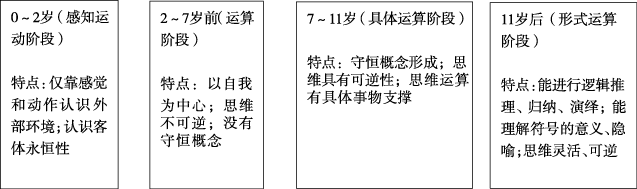
图 1 皮亚杰认知理论图
Figure 1 Diagram of Piaget’s cognitive theory
2.2.4 量子力学
量子力学诞生于20世纪初,由尼尔斯·玻尔、埃尔温·薛定谔等物理学家奠定理论基础[24]。
微观粒子具备波粒二象性,光同时拥有波与粒子双重属性,该特性可引申至生死议题的解读层面。第一,生死具备辩证统一关系:一方面生命自诞生起持续趋向消亡,即“向死而生”;另一方面生代表动态存续过程,死代表生命静态终结,二者存在清晰边界,不能完全等同。第二,生死互为依存、不可割裂,脱离死亡谈生存、脱离生存谈死亡,均无法完整把握生命本质。微观粒子的位置和动量无法同时被确定,因而量子具有不确定性,生与死也具备量子所具有的不确定性,表现为各类偶然情形。
海森堡不确定性原理表明,微观粒子位置与动量无法同步精准测定,对应生死议题则体现为生命消逝具备偶然性、不确定性。薛定谔通过“薛定谔的猫”思想实验,提出量子叠加态理论:观测前实验中的猫同时处于生、死叠加状态,直观印证生死并非二元对立、完全割裂的两种状态。
2.2.5 小结
从四大理论来看,存在主义哲学以“向死而生”阐明正视死亡对于实现生命价值的意义;中西方生命哲学分别从生命本能与道法自然视角,提供辩证看待生死的思想依据;皮亚杰认知发展理论解释幼儿生死认知的阶段性发展规律;量子力学则以波粒二象性、叠加态理论突破非生即死的二元对立思维。四类理论从哲学、心理学、自然科学多维形成支撑,为本研究探究大班幼儿家长对死亡教育的认知、态度与实践方式搭建完整分析框架。
3 研究方法
本研究采用半结构化访谈法,聚焦大班幼儿家长群体这一研究对象,以小样本质性探究的方式,挖掘受访家长对幼儿死亡教育的认知内容、态度倾向,以及家庭死亡教育的实施形式。
3.1 研究对象
本研究将漳州市幼儿园大班幼儿家长作为访谈对象,采用立意抽样方式,选取10名家长开展深度访谈。质性研究重在资料深度与信息饱和度,而非大样本量化推广,因此本研究通过小样本访谈获取丰富、真实的原始资料,旨在呈现受访家长的真实生活体验与主观认知。
受现实调研条件影响,日常参与家园沟通、配合访谈调研的家长,多为主要照料者母亲群体,导致本次样本出现女性占比偏高的客观特征。本研究不做整体群体推论,仅针对本次受访十位家长的访谈资料进行归纳分析。受访对象基本信息如表1所示。
表 1 访谈对象信息表
Table 1 Information on interview participants
| 家长 | A1 | A2 | A3 | A4 | A5 | A6 | A7 | A8 | A9 | A10 |
| 性别 | 女 | 男 | 女 | 女 | 女 | 女 | 女 | 女 | 女 | 男 |
| 学历 | 大专 | 初中 | 初中 | 大专 | 大专 | 大专 | 本科 | 高中 | 高中 | 本科 |
| 职业 | 教培 | 员工 | 员工 | 化妆师 | 护士 | 烘焙师 | 销售 | 家庭 | 医生 | 编制 |
3.2 观影辅助工具
正式访谈前组织受访者观看影片《唐山大地震》,影片中生死别离的情节,可缓解受访者对死亡话题的回避心理,拓宽访谈思考维度,丰富访谈内容。鉴于影片聚焦灾难创伤,情绪冲击力较强,易对受访者即时表达产生诱导,本研究作出相应控制:优先询问家长日常原生教育观念,观影内容仅作为后半段拓展交流内容;观影后设置情绪缓冲时段,编码阶段区分常态认知与观影衍生观点。影片仅作为访谈开场破冰媒介,不作为标准化测评材料,相关结论以受访者日常生活中长期稳定态度为核心依据。
4 研究结果
本研究提炼大班幼儿家长在死亡教育认知、实施态度及实施形式三方面的访谈结果。
4.1 死亡教育认知
综合访谈内容,受访家长的认知主要分为四个维度:生老病死认知、死亡教育概念理解、死亡教育实施主体认知、大班开展死亡教育适宜性认知。
4.1.1 生老病死认知
通过家长对于生老病死理解的深入访谈,结果整理分析如下。
(1)看待死亡:顺应自然与内在恐惧并存
十位受访者中,九位家长将死亡视作生命发展的必然规律,能够以顺其自然的心态接纳生死别离。受访家长A4提及:“我觉得生老病死是常态,很看淡这些东西,允许它去发生。”A9家长表示:“我觉得用顺其自然的心态去面对一切。因为有时候明天该发生什么我们也不知道,那我们要珍惜当下。”受访群体这种顺应天道、接纳生死的认知,与道家自然主义生命观存在共通之处,《道德经》提出“人法地,地法天,天法道,道法自然”[22],主张死亡是生命复归自然的客观过程,不必抗拒与畏惧。
仅受访家长A2坦言自身对死亡存在本能恐惧:“人在还没有真正面对死亡的时候他没有感到恐惧,如果真正到死亡那一步,人都会恐惧害怕。”该感受契合海德格尔存在主义观点,死亡畏惧是根植于人“此在”的内在情绪,无法彻底消除。
(2)看待生命诞生:珍视生命价值与养育责任兼具
七位受访家长谈及新生命降生时,流露喜悦、激动与紧张的情绪,认同生命本身具备珍贵价值。《孝经》有言“天地之性人为贵”,将人视作世间最宝贵的存在,与受访家长珍惜生命的观念形成呼应[25],认为人是天地间最珍贵的存在。生命本身就是值得珍惜和庆祝的礼物。
剩余三位受访者则认为生命降生不仅代表喜悦,更伴随长期养育责任。受访家长A3提道:“觉得更多一份责任,很喜悦的同时也是一种负担。”受访家长A10表示:“那是一种既欣喜又充满责任感的复杂感受,内心满是喜悦和对未来的期待,然后有时候也会感觉到深深意识到自己肩负的养育教育的重大责任。”儒家提倡“仁者安仁,知者利仁”[5],个体在承担道德与养育责任的过程中,能够感知生命深层价值,获得精神层面的充实感,可用于解释家长因养育责任产生的复杂生命感受。
(3)看待衰老:不舍时光流逝,逐步接纳生命有限
七位受访家长谈及亲人、自身衰老时,流露出难过与不舍。受访家长A10表示:“心里会有些难过和不舍。”依据海德格尔“向死而生”理论,衰老是趋近生命终点的过程,家长对衰老的惋惜,本质是对生命有限性与生俱来的焦虑[20]。
另外三位受访者随着自身阅历增长,逐渐放下对永续生命的执念,坦然接纳衰老与别离。受访家长A1说道:“其实在前两年可能很害怕父母变老,又或者是说老去这样子,但是这两年自己年纪也上来了,会比较相对释然这件事情,因为确实生离死别是人生常态。”类受访者能够突破生命长度的桎梏,体会生命过程本身的价值,形成更为通透的生命认知[20]。
(4)看待疾病:感慨脆弱痛苦,或坦然接纳天命
六位受访家长认为,小病带来无奈,重病会造成身心痛苦,还会给家人增添负担,但康复后会更加珍惜健康日常。受访家长A1提出:“生病这件事在我看来就是仅次于死亡这一块,因为生病有的时候真的就是很难受,特别是父母生病的时候。”受访家长A7谈道:“生病教会我要更加珍惜平日习以为常的健康时光,对朋友的陪伴和关怀心存感激,每一次康复都像重获新生。”疾病加深了人对生命有限性的感知,印证了海德格尔所说,死亡终极焦虑始终潜藏于人的生存体验[20]。
其余四位受访者将生病视作无法规避的生命常态,主张尽力养护身体、坦然接纳客观命运,这与儒家“生死有命,富贵在天”的思想内核相近,倡导不怨天尤人、积极面对病痛[5]。
4.1.2 “死亡教育”概念的理解
多位受访家长提出,死亡教育的核心是引导幼儿认识生命有限,建立对生命的敬畏之心,学会感恩、消解对死亡的恐惧,思考生存的意义,并实现自身生命价值。
受访家长A1:“我认为死亡教育是让我们去认识生命,了解生命以及敬畏生命。”受访家长A3认为:“孩子在成长过程中,学会说该如何做好一件事情,更好地活在当下,珍惜生活。”受访家长A6:“我觉得死亡教育就是不要把死亡恐惧化,还是得正常地去教育跟引导孩子。”受访家长的认知与现有幼儿生命教育研究观点高度契合,已有研究提出,幼儿生命教育旨在引导儿童认识、尊重、珍爱与发展生命,受访家长普遍认可死亡教育对幼儿成长的正向作用。
4.1.3 死亡教育实施主体的认知
针对幼儿死亡教育的开展主体,全部十位受访家长均认为家园双方需共同参与。同时,部分受访者提出,死亡教育具备专业性、系统性特征,幼儿园教师应承担主导教育工作,家长仅作为辅助配合角色。受访家长A2:“我觉得只有比较懂的人来讲,这样听的比较懂。”受访家长A6:“但老师会讲的会更直观一点,引导的更好一点,然后家长起一个辅助性的作用。”受访家长A8:“我们是辅助作用,我更希望作为家长来讲,我来配合老师这样。”
4.1.4 开展死亡教育适宜年龄的认知
针对幼儿死亡教育的适宜起始阶段,十位受访家长观点存在明显分化。其中仅五位受访者认为,大班是开展死亡教育的合适阶段。持该观点的受访家长对幼儿身心发展规律、死亡教育适配阶段具备一定认知基础。受访家长A1表示:“小朋友应该从幼儿园大班这一块开始接受,因为幼儿园小班跟中班还是比较懵懂一些,可能对这一块、这类型的题材还看不懂。”受访家长A2提出:“幼儿阶段大班的时候,小孩懂事的时候就可以慢慢教他了,不要让他一下接触太多,能理解的跟他讲一下这样。”皮亚杰认知发展阶段理论,5~6岁大班幼儿处于前运算阶段末期(直觉思维亚阶段),符号表征能力发展成熟,开始产生初步逻辑推理能力,能够思考不可逆、永久性等抽象概念。皮亚杰并未专门针对死亡教育展开论述,但现有学前生命教育相关研究均依托其阶段规律推导:小班、中班幼儿受自我中心、泛灵论思维限制,难以理解“死亡永久不可逆”的核心内涵;大班幼儿思维水平提升,会主动对生命消逝、生死离别现象产生好奇,此时循序渐进开展生死启蒙,更有利于幼儿建构基础、完整的生死认知[22]。
剩余半数受访家长未能结合幼儿身心发展特征判断适宜教育时机,仅依托个人生活经验给出自认为合适的教育年龄。该现象与祁静、曹能秀的调研结论相互印证:多数幼儿父母对于死亡教育开展时机的判断,多基于自身日常经验与固有认知,缺乏儿童发展理论的专业支撑[26]。
4.2 幼儿死亡教育实施态度
本研究为质性访谈研究,依据受访家长访谈原文表述、主观立场、顾虑程度与支持倾向,对十位受访家长的死亡教育态度进行质性归类。
整体来看,所有受访家长均认可幼儿死亡教育具备一定实施价值,但接纳程度、心理顾虑与支持立场存在明显差异,可划分为完全支持与有条件支持(心存顾虑)两类。
4.2.1 完全支持死亡教育的受访家长
部分受访家长能够理性看待生死议题,不受传统避讳死亡观念束缚,完全认可在学前阶段开展幼儿死亡教育的必要性与积极意义。该部分家长认为,适时、正向的生死启蒙能够帮助幼儿破除对死亡的未知恐惧,构建正确的生命认知,塑造珍惜生命、尊重生命的价值观念,对促进幼儿心理健康发展具有长远作用。受访家长A10表示:“我觉得应该积极开展死亡教育,首先它能够减轻人们对死亡的恐惧和焦虑,在面对自己和亲人的生命终点时,有正确的观念,可以让人更加坦然。其次有助于改善生命认知质量,如果孩子从小接受正向的生死引导,未来更能平和面对生命别离。”受访家长A8结合自身生活经验指出:“我小孩他爷爷走的时候,我们没办法跟孩子解释清楚,只能模糊带过。如果从小有接触过简单的死亡教育,孩子就能明白生老病死是自然规律,不会产生恐惧与困惑。”
该类受访家长能够突破传统避讳思维,认可死亡教育的育人价值,支持幼儿园与家庭适时开展常态化、生活化的生死启蒙。
4.2.2 心存顾虑、有条件支持死亡教育的受访家长
部分受访家长虽不否定死亡教育的教育意义,认可其对幼儿成长的正向价值,但受本土传统“讳死”文化与固有教育观念影响,内心存在明显顾虑,属于有条件支持态度。该部分家长普遍担忧死亡话题自带的沉重、悲伤属性,若引导方式不当、讲解内容直白生硬,容易诱发幼儿焦虑、恐惧、消极心理,对幼儿身心发展造成负面影响。因此,其支持态度建立在“方式温和、内容适宜、时机恰当”的前提下,对死亡教育的实施形式与内容边界要求较高。
受访家长A3谈道:“我是比较中立的态度,适当讲可以,但讲太多、太细,怕孩子想太多,产生消极情绪。”受访家长A9表示:“是不支持死亡教育,关键要看教育的方式,一定要传递正能量,不能让孩子留下心理阴影。”
综上可见,受访大班幼儿家长普遍不排斥幼儿死亡教育,但态度层次存在差异:部分家长观念开放,完全接纳生死启蒙教育;部分家长受传统观念制约,存在明显心理顾虑,仅愿意在适宜、温和的教育场景下接受死亡教育。这也反映出当前家庭层面幼儿死亡教育仍存在观念偏保守、认知不均衡、实施顾虑较多的现实特征[27]。
4.3 家长教导幼儿死亡教育能力不足
受访家长普遍认同可以借助生活中真实的生离死别场景开展生死启蒙。受访家长A4提出:“我感觉就是身边有人去世的时候,慢慢地去让他接受这个事情。”与此同时,部分受访家长存在概念认知混淆,将校园消防、地震逃生等应急安全教育等同于死亡教育。受访家长A6提及:“学校一般有一些生活演习,比如说消防演习,然后那种地震防护措施的一些课堂演习可以进行一下。”从专业概念界定层面辨析:安全教育核心目标是规避危险、预防生命损伤;死亡教育重在引导幼儿理解生命有限性、建立接纳生死别离的正向生命观,二者同属生命相关教育范畴,但核心内涵、教育目标存在显著区别,不能相互等同。受访家长混淆两类教育概念,反映出其对死亡教育缺乏清晰、系统的认知。
十位受访家长均曾尝试对幼儿开展与生死相关的引导,但仅能运用零散单一、碎片化的教育形式。超过半数受访家长未能把握死亡教育完整内涵,简单将其等同于生命安全防护,缺乏多元、灵活的家庭生死启蒙实施思路,整体开展死亡教育的专业能力存在明显不足。
4.4 小结
依托十位受访大班幼儿家长的访谈资料,梳理其死亡教育认知、态度与实施能力。受访家长大多能辩证看待生老病死,认可死亡教育敬畏生命的价值;半数家长仅凭借生活经验判断教育时机,专业认知不足。全体受访者认同家园协同开展教育,且支持态度可分为完全支持、心存顾虑两类。实操层面,家长均尝试过生死话题引导,但教育形式零散,部分受访者混淆应急安全教育与死亡教育,未能区分二者育人目标,可见受访家长对死亡教育内涵理解模糊,家庭落地实施的实操能力存在明显短板。
5 结论
家长对死亡教育相关内容的理解,会直接影响其教育态度与家庭实施方式,因此本研究重点剖析造成受访家长认知差异的六大因素:学历层次、生活经历及经验、职业差别、认知与行动不一致、生死表达与内在情绪存在认知情感分离、生死认知与日常行为未达成内在统一,具体分析如下。
5.1 学历层次
本次十位受访家长学历分布多元:大专4人、初中2人、高中2人、本科2人。
谈及生命存续的内涵时,认为生命承载养育责任的3位受访者中,包含2名本科学历家长。依据社会学人力资本理论,受教育水平越高,个体知识储备越丰富,思考视角更为多元[28]。与儒家“仁礼”思想倡导的社会责任认知相契合,系统化学习更易推动个体形成责任意识、跳出自我中心视角。
更早步入社会、学历偏低的家长,更易受生活压力束缚,需求层次停留在生理、安全层面,较少思考生命的社会价值,契合马斯洛需求层次理论的相关论断[29]。
在死亡教育实操层面,低学历受访者多依托日常安全事件开展引导,刻意回避直面死亡相关内容。结合量子力学辩证生死观,生死不可割裂、一体共生,刻意回避死亡议题,难以建立完整的生命认知[30]。
5.2 生活经历及经验
部分受访家长成长于避讳谈论死亡的家庭环境,长辈对生死议题刻意避讳,家中几乎不存在相关交流。依据埃里克森心理社会发展理论,个体在童年关键发展阶段,需依靠外界互动建立包含生死在内的完整认知体系[31]。自幼缺乏探讨死亡的家庭氛围,使得该类家长未能在认知发展关键期建立成熟的生死观念,成年后对幼儿开展死亡教育时,难以突破固有思维局限。
多数受访家长对死亡教育的理解高度依托自身亲身经历。亲人、友人离别或宠物逝去等真实生命消逝事件,会带来强烈情绪冲击,重塑个体对死亡的感受;拥有濒死相关体验的受访者,也会更重视对生命价值的体悟。相关研究证实,个体深度情感体验会长期塑造自身认知判断与教育行为选择[32],也直接造成不同受访家长在生死观念、教育方式上出现明显差异。
5.3 职业差别
十位受访家长职业类型多元。依据社会角色理论,不同职业身份会塑造个体差异化的思维逻辑、行为习惯与认知视角,是受访家长死亡教育认知产生分歧的重要原因[28]。
受访家长A5为临床护士,结合环境心理学观点,长期所处的医院环境持续影响其生死认知与情感感知。医院同时见证生命诞生与逝去,常态化直面各类生死场景,使其直观体会生命的脆弱与珍贵,因此十分认同在学前阶段开展死亡教育,帮助幼儿树立珍惜生命的观念。
受访家长A10有服役经历,过往支援工作中多次目睹生离死别,形成了深刻的生死认知。该受访者通过对比国内外发展现状,认为国内死亡教育发展相对滞后,临终关怀体系存在短板,容易给逝者与家属留下遗憾。其主张坦然探讨死亡议题,主动倡导面向幼儿普及死亡教育。
5.4 认知与行动不一致
受访家长的认知与实际教育行动存在两层脱节:一是自知专业知识不足却不主动补充学习,教育实践长期停滞;二是开展死亡教育的方式单薄,多混淆为安全教育,实践浅显、缺乏深度。
5.4.1 未建立主动终身学习的意识
多数受访家长认可死亡教育的育人价值,又担忧死亡相关话题会带来负面心理影响,反映出其对死亡教育的理解较为片面。即便意识到自身相关知识储备匮乏,家长也很少主动查阅资料、学习相关理论内容。
获取系统教育知识需要投入时间与精力,面对陌生专业内容时,个体易滋生畏难、逃避心理。在畏难情绪与惰性思维共同作用下,家长不愿持续投入精力学习,未能形成主动、终身学习的意识,认知层面的短板始终无法补齐。
5.4.2 认知知晓与实践落地存在明显差距
认知属于静态知识储备,教育实践是动态行为过程,后者需要充足时间、适配方法与精力支撑,二者本身存在转化阻碍。
依据计划行为理论,个体实际行为由行为态度、主观规范、感知行为控制三类要素共同作用。感知行为控制代表个体对自身完成某项行为能力的主观判断[33]。受访家长对死亡教育持有正向支持态度,但普遍缺少可落地的引导方法,感知行为控制水平偏低,难以把控死亡教育的开展尺度、内容与方式。即便在认知层面认同生死启蒙的必要性,也会因缺少实操能力、受固有教育习惯束缚,无法将认知转化为稳定、丰富的家庭教育行为,最终形成“知易行难”的认知行动割裂现状。
5.5 生死表达与内在情绪存在认知情感分离
访谈过程中,受访家长面对死亡话题均表现出开放接纳的态度,能够理性阐述死亡具备不可逆特征,反复强调生命仅有一次、应当珍惜当下。但外在坦然的表达,与内在真实情绪存在落差:能够客观谈论死亡,不代表内心不存在对死亡的恐惧。
生死是客观自然规律,死亡的发生具备必然性,但其发生时间、形式上充满不确定性,受访家长在理性层面均能理解该客观事实。即便理智知晓生死常态,个体内心仍会存在对生命消逝的担忧与不舍。沈毅提出,死亡恐惧是人类普遍、本源的心理感受,潜藏于内心深处,常被日常乐观平和的外在表现所掩盖,不易直接显露[34]。受访家长谈及衰老、离别时流露的惋惜与不舍,正是内在死亡焦虑的外在体现,形成外在认知理性、内在情绪畏惧的割裂状态。现代心理学相关研究也证实,个体对自我的重视程度越高,越容易对生命终结产生忧虑情绪。
5.6 生死认知与日常行为未达成内在统一
多数受访家长在观念层面认同顺应自然、看淡得失的生死观,认为死亡教育可以引导幼儿接纳生命有限、立足当下生活。但综合受访家长现实价值追求可见,其观念认知与日常行为选择存在割裂,尚未形成表里如一的生命态度。顺应自然的理想生死观,核心内核是接纳现有生活、专注当下并获得内心安宁[35]。
但受访家长日常更多聚焦物质、名利等外在追求,内心难以获得持久的满足感。结合海德格尔《存在与时间》中的相关论述,人容易被世俗物质欲望裹挟,陷入非本真的生存状态[20]。受访家长在言语上秉持顺应自然的生死认知,现实行动却持续追逐各类外在欲望,观念表达与内在价值追求未能统一,呈现出认知、行为两层脱节的特征。
5.7 小结
本章围绕造成受访家长死亡教育认知差异的六大维度展开分析。其一,学历层次通过知识储备与思维格局,形成家长对生命责任、死亡话题接纳度的区分;其二,成长家庭氛围与亲身生死经历,塑造个体基础生死认知框架;其三,不同职业带来差异化生死场景体验,直接影响家长对死亡教育育人价值的判断。
同时,受访家长普遍存在认知与行动脱节问题,即便认可死亡教育重要性,也因缺乏主动学习意识、实操方法不足,感知行为控制薄弱,难以落地家庭教育。此外,家长普遍存在认知与情感分离的现象,理性能够接纳生死规律,但内心仍潜藏对死亡的恐惧;部分家长口头秉持顺其自然的生死观念,观念表达与日常行为追求未能达成内在统一,多维度因素共同造成家长群体对死亡教育的理解深浅不一、家庭实操水平参差不齐。
参考文献
[1] 许昌市建安医院.《2022国民抑郁症蓝皮书》发布应高度重视学生心理健康[EB/OL].(2022-07-08)[2024-11-11].http://www.xcsjayy.com/ln1234-4525.html.
[2] 黄天中.生死教育应从幼儿抓起[J].基础教育参考,2011(13):20-22.
[3] 黄钰涵.论幼儿死亡教育的必要性[J].劳动保障世界,2018(23):42-43.
[4] 赵晓辉.家庭开展幼儿生命教育的优化策略研究[D].石家庄:河北师范大学,2023.
[5] 孔子.论语译注:2版[M].北京:中华书局,1980.
[6] 陈引驰.《庄子》通识[M].北京:中华书局,2022.
[7] 何玲,李雪平.“死亡”的缺失:幼儿家庭生命教育中亟待加强的内容[J].基础教育研究,2023(13):81-85.
[8] 段德智.西方死亡哲学[M].北京:北京大学出版社,2006.
[9] 江文富.生命文化概论[M].北京:高等教育出版社,2013.
[10] 罗羽,张慧兰.国内外死亡教育发展现状分析与展望[J].护理管理杂志,2018,18(3):175-179,184.
[11] 中华人民共和国教育部.国家中长期教育改革和发展规划纲要(2010-2020)[EB/OL].(2010-07-29)[2021-10-16].http://www.china.com.cn/policy/txt/2010-03/01/content_19492625.htm.
[12] 王兵.幼儿生命教育研究:理论之基与实践之途[D].长沙:湖南师范大学,2021.
[13] Clark V.Death education in the United Kingdom[J].Journal of Moral Education,1998(27):393-401.
[14] 程少波.实施“死亡教育”的必要性、年龄阶段和途径[J].教育评论,1991(2):12-16.
[15] 刘靖靖.大班儿童死亡概念的发展及影响因素研究[D].西安:陕西师范大学,2011.
[16] 林静.美国家长的“死亡教育”[J].中华家教,2012(Z1):63.
[17] 徐秉国.英国的生命教育及启示[J].教育科学,2006(4):84-87.
[18] 中新网.死亡教育缺失——应告诉孩子如何正确理解死[EB/OL].(2014-03-24)[2025-05-15].http://www.chinanews.com.cn.
[19] 张慧兰,王丹,罗羽.国内外死亡教育发展的分析与思考[J].护理学报,2015,22(11):29-32.
[20] Heidegger M.存在与时间[M].陈嘉映,王庆节,译.北京:生活·读书·新知三联书店,1999.
[21] 尼采.查拉斯图拉如是说[M].长沙:湖南人民出版社,1987.
[22] 崔仲平.老子道德经译注[M].哈尔滨:黑龙江人民出版社,2003.
[23] 董婕.皮亚杰认知发展理论视域下的未成年人分级阅读推广项目研究——以海珠区图书馆分级阅读推广项目为例[J].河南图书馆学刊,2024,44(8):5-7,10.
[24] 凤凰网.盘点现代物理学七大经典问题:薛定谔的猫[EB/OL].(2012-09-24)[2015-02-03].http://www.ifeng.com.
[25] 马祯璘.《孝经》中的孝文化[D].兰州:兰州大学,2012.
[26] 祁静,曹能秀.幼儿父母的死亡教育观调查研究——以昆明市Q幼儿园为例[J].教育导刊(下半月),2018(11):20-26.
[27] 兰霞萍,王云岭.死亡教育的本质意蕴、目标追求与功能实现[J].医学与哲学,2024,45(23):49-54.
[28] 季文,申屠平.社会学视角下的人力资本理论研究[J].湖北经济学院学报,2003,1(6):4.
[29] 马斯洛,刘烨.马斯洛的智慧:马斯洛人本哲学解读[M].北京:中国电影出版社,2005.
[30] 宫小也.《量子狂潮》来袭,你准备好眩晕了吗?[J].今日中学生,2023(10):43-45.
[31] 王家军.埃里克森人格发展理论与儿童健康人格的培养[J].学前教育研究,2011(6):37-40.
[32] Sandsaunet V U,Tilmann S V.Posttraumatic growth during the COVID-19 lockdown:A large-scale population-based study among Norwegian adolescents[J].Journal of Traumatic Stress,2022,35(3):941-954.
[33] 段文婷,江光荣.计划行为理论述评[J].心理科学进展,2008,16(2):315-320.
[34] 沈毅.人对死亡的态度及其意义[J].浙江学刊,1995(5):126-129.
[35] 崔小英.人生只有一件事[J].河北教育(教学版),2022(10):3.