Current Views: 2573539
 Current Downloads: 1598204
Psychology of China
ISSN Print:2664-1798
ISSN Online:2664-1801
Contact Editorial Office



Subscribe to the latest published information from SCISCAN
探索减少民办高校学生病态赌博行为的心理健康教育模式
Exploring a Mental Health Education Model for Reducing Pathological Gambling Among Private College Students


-
Information:
吉利学院,成都
-
Keywords:
Private college students; Pathological gambling; Mental health education; Intervention model; Student mental health民办高校学生; 病态赌博行为; 心理健康教育; 干预模式; 学生心理健康
- Abstract: The widespread use of the Internet and mobile payment has lowered the threshold for online gambling and increased its accessibility among private college students. Sick gambling gradually presents the characteristics of younger age and concealment. Individual academic and economic interests are damaged, and individual anxiety, depression and interpersonal contradictions occur frequently. There are deficiencies in the coverage of resources, management and psychological services in private colleges and universities, and there is also a lack of measures for early identification and effective intervention of students. Therefore, it is of theoretical and practical significance to seek to construct a mental health education model that fits the actual situation of private colleges and universities to prevent and reduce the pathological gambling of private college students. This study starts from the characteristics of pathological gambling behavior of private college students, and explores its psychological mechanism and intervention path, so as to construct a mental health education model that can effectively reduce the pathological gambling of private college students. By using the methods of literature, questionnaire and intervention evaluation, this paper studies the manifestations, motivation structure, anxiety, impulse, coping pressure, emotion, interpersonal relationship and adaptation of gambling among private college students. The results show that the pathological gambling behavior of private college students is related to their weak self-control ability, poor emotional regulation ability, strong stimulation seeking behavior, academic pressure, peer influence and insufficient family and school support. However, some students with gambling tendency have delayed help-seeking, weak risk perception and insufficient problem awareness in the early awakening stage of pathological gambling, which makes early prediction and early intervention of students ‘ pathological gambling behavior have high practical necessity. Based on this, the study proposes a mixed mental health education model of universal prevention, selective intervention and targeted support ( i.e., gambling risk screening ; mental health knowledge education, emotional management training ; cognitive reconstruction ; peer support ; case counseling ; home-school linkage ) ; in the intervention evaluation, it is found that the model has a certain intervention effect in establishing students ‘ gambling risk cognition, improving students ‘ self-regulation ability, adjusting students ‘ adaptive coping style, and reducing the frequency and intensity of students ‘ gambling-related behaviors ; it is pointed out that its effective use requires systematic promotion, differential treatment of high-risk student groups, and continuous inclusion as the three key links of school governance content, so that the campus space can continue to be edified by health education. This study provides some theoretical research data and reference for private colleges to prevent and control pathological gambling behavior and promote the improvement of students ‘ mental health. 互联网、移动支付的盛行,为民办高校学生参与赌博活动提供了更多途径,病态赌博逐渐呈现低龄化、隐蔽化特点,个体的学业与经济利益受到损害,个体的焦虑、抑郁、人际矛盾等问题频发。民办高校资源、管理、心理服务覆盖面存在不足,对于学生早期识别与有效干预的措施也都缺乏,因此寻求构建贴合民办高校实际情况的心理健康教育模式,对预防与减少民办高校学生病态赌博具有理论与现实意义。本研究从民办高校学生病态赌博行为发生特点这一着手点,针对其心理机制与干预路径两部分内容进行探究,从而构建能有效减少民办高校学生病态赌博的心理健康教育模式。综合采用文献法、问卷调查、干预评估等方法,从民办高校学生赌博发生的表现形式、动机结构,与焦虑、冲动、应对压力、情绪、人际关系、适应等方面进行研究。研究结果显示:民办高校学生病态赌博行为与其自我控制能力薄弱、情绪调节能力较差、寻求刺激行为较强、学业压力、同伴影响和家庭及学校支持不足等方面相关;而部分具有赌博倾向学生的病态赌博初醒阶段存在求助延迟、风险感知薄弱、问题意识不足等情况,使得学生病态赌博行为的提早预判与提前干预具有较高现实必要性;研究据此提出了普适性预防、选择性介入和针对性支持的混合心理健康教育模式(即赌博风险筛查;心理健康知识教育,情绪管理训练;认知重建;朋辈支持;个案辅导;家校联动);在干预评估中发现该模式在树立学生赌博风险认知、提高学生自我调控能力、调适学生适应性应对方式、降低学生赌博相关的行为频率及强度方面具有一定干预效果;并指出其有效发挥效用,需要体系化推进、差别性对待高危学生群体以及持续性纳入为学校治理内容的三大关键环节,让校园空间持续性地接受健康教育熏陶。本研究为民办高校防控病态赌博行为,促进学生心理健康水平的提高提供了一定理论研究资料和参考。
- DOI: 10.35534/pc.0806133
- Cite: 谢虹, 雍锌远, 刘英. (2026). 探索减少民办高校学生病态赌博行为的心理健康教育模式. 中国心理学前沿, 8 (6), 897-907.
1 引言
随着近年来移动互联网的发展,网络赌博打破了传统赌博的地域与时间限制,呈现低门槛、高隐蔽性的发展趋势,且已渗入高校校园,青年学生群体已成为异常赌博行为的高发群体(熊诗丽,曹玉敏,2020)。目前国内已有的流行病学调查显示,我国高校大学生群体病理性赌博行为检出率介于1.3%到5.6%之间(李春艳,何利华,2021),且存在跨办学性质高校检出率显著不同的特点(李万年,2020)。部分民办高校对大学生日常行为问题的监测与心理疾病的预防筛查存在管理不到位的问题,民办高校大学生群体与公办高校大学生群体相比,仍存在理财自制力相对较弱、主观虚荣感较为突出、课后业余时间利用率相对较低等问题,容易受“小投入,大回报”赌博宣传语迷惑,部分调研数据显示民办高校大学生群体异常赌博行为的检出率高于同级公办高校(陈涛,2022)。目前国内学者针对学生异常赌博行为的研究主要集中在学生异常赌博行为的成因分析和危害研究,针对民办高校异常赌博高发群体进行干预实践研究较为零散,各心理健康教育干预模式应用的环境、对象和效果尚无系统性
总结。
根据图1可以看出,国内相关文献研究规模长期保持稳定,表明学界一直持续关注该领域,没有显著增长;而国外文献的研究规模在研究年份开始呈现稳定上升趋势,近几年达到高峰期,表明国外对病态赌博的心理健康教育的干预研究发展迅速。总体来说,国外研究起步较晚但发展较快,国内研究较为稳定,研究基础较为深厚,这提示我们对于民办高校学生病态赌博心理健康教育模式的构建,在借鉴国外最新理论与实践经验的同时,也要根据我国国情及学生特点进行理论与实践
研究。
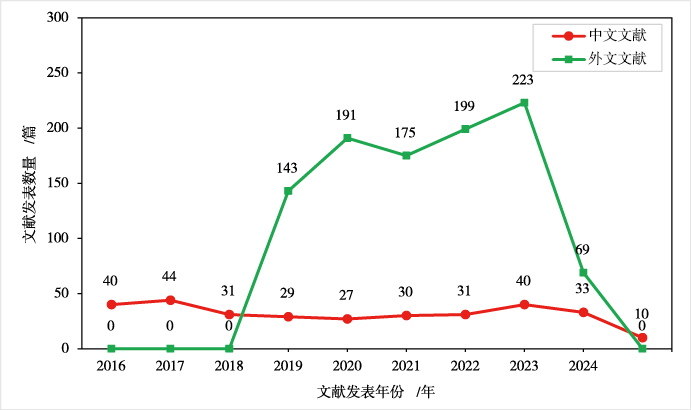
图 1 近十年国内外相关文献发表量
Figure 1 The number of relevant domestic and foreign literature publications in the past decade
目前围绕心理健康教育课程创新、课程体系、体验式课程体系构建、生态系统课程模式、民办高校心理健康教育模式等问题,高校学者提出了“345”心理健康教育课程范式、“五育并举”心理健康教育课程体系、心理健康教育生态系统模式等,以期提高心理教育效果,但民办高校仍然面临着与自身资源和模式匹配的问题(蒋韵,2024)。
董甜甜指出,在网络和社会经济快速发展背景下,高校需创新大学生心理健康教育课程模式,助力学生调节情绪,应对压力(董甜甜,2023)。唐梦瑶、孙裕如探索构建“345”教学模式,通过课前、课中、课后三段教学过程、知情意行混合式教学法及“导—探—体—调—训”五步教学步骤,有效提升心理育人质量(唐梦瑶,孙裕如,2023)。韩芳等提出采用“课堂体验+实践训练”模式,解决传统教学模式存在的问题,推动教学改革(韩芳 等,2023)。吴亚子、袁丽丽从理论层面探索课程体系发展方向,强调准确把握价值理念以定位课程目标,优化课程要素搭建体系结构(吴亚子,袁丽丽,2024)。王岚、张景碧在“五育融合”课程理念指引下,明确“五育”与心理健康教育的关联,构建课程体系,完善评价机制(王岚,张景碧,2024)。Lindsay A. Bristow等研究发现,童年不良经历(ACEs)与风险/问题赌博相关,而心理健康状况与问题赌博行为存在内在关联,这为心理健康教育课程目标的设定提供了实证支持(Bristow et al.,2021)。
在学生病态赌博行为专项研究领域,干政、刘炼基于ICD-11和ICF分析指出,赌博障碍具有控制受损、耐受性增加等心理行为特征,在功能上表现为注意力等认知能力下降,进而影响工作和社交功能;同时,环境因素对赌博障碍影响显著,家庭支持利于康复,而不良环境则会加剧成瘾(干政,刘炼,2024)。
张大鹏等以129名赌博障碍患者为研究对象开展横断面研究发现,自控力与冲动性、赌博严重程度呈负相关,冲动性与赌博严重程度呈正相关,路径分析表明自控力在冲动与赌博严重程度关系中起完全中介作用,中介效应占比75%(张大鹏 等,2023)。张宗帅以压力性生活事件为外部因素,探讨其对问题赌博行为的影响机制,发现应对策略起中介作用,心理弹性起调节作用,应对策略和魔幻思维存在链式中介作用(张宗帅,2024)。St Quinton,T.运用理性行为方法研究大学生移动赌博行为,深入分析了大学生参与移动赌博的原因及影响因素,旨在为预防和干预提供思路(St Quinton,2023)。于越的研究则显示,大学生社会性发展、社会支持与心理健康两两显著正相关,且社会支持起中介作用,提示社会支持可能通过影响心理健康进而作用于赌博行为(于越,2023)。此外,苏毅指出,在当下日渐复杂的网络环境下,赌博行为具有便捷性、隐蔽性等特点,并强调大学生参与赌博行为会引发心理健康问题、学业受损以及不良生活习惯等现象(苏毅,
2016)。
民办高校是我国高等教育体系的重要组成部分,其学生心理健康教育体系建设逐渐受到学界重视,病态赌博作为危害大学生身心健康的典型问题,探索民办高校场景下二者的结合研究,既需要梳理国内心理健康教育的研究基础,也需要借鉴国际干预经验,目前学界已开展多维度探索。
现有学界围绕民办高校学生心理健康教育已经开展了大量基础研究,针对民办高校多元化心理健康教育(陈涛,2022),蒋韵肯定了其对学生身心发展、满足社会高素质人才需求的积极价值,剖析了现行心理健康教育体系存在的问题,提出了适配应用型人才培养的多元优化方案,推动民办高校心理健康教育提质发展。陈涛针对近十年国内民办高校心理健康教育研究进行了系统梳理归纳,研究发现当前民办高校心理健康教育在多层面存在不足,提出未来发展方向包括加强跨学科研究、落实心理育人协同、倡导积极工作理念、关注教学改革、拓宽研究内容等(胡赛赛,王俊丽,
2023)。
与现有研究相比,本研究的核心创新体现在研究视角、研究侧重点及研究方法价值的精准突破上。现有研究多将大学生群体作为整体探讨异常赌博行为,或仅针对民办高校心理健康教育进行泛化研究,而本文精准聚焦民办高校这一异常赌博高发群体,实现“民办高校场景+病态赌博干预”的精准对接,有效避免了研究的泛化与同质化问题。在研究侧重点上,现有相关研究多集中于病态赌博的成因分析、单一影响因素探讨,或心理健康教育模式的理论构建,缺乏将二者深度融合的实证干预研究,本文则不仅系统解析民办高校学生病态赌博的心理机制与影响路径,更注重干预模式的构建、试点验证与落地性,形成“理论分析—实证调研—干预实验—模式固化”的完整研究闭环。
本研究着重系统识别民办高校学生病态赌博心理发生的过程性和影响因素,建构和检验可操作的心理健康教育干预模式。研究使用文献研究、调查研究、量表测量、半结构访谈,实验干预的方法融合形成“宏观-中观-微观”的三步技术路线。文献综述、专家访谈确定变量和干预元素,横断面问卷(N≈1200)在三所民办高校开展,再通过探索、检验性因子分析构建测量模型。选取高危人群开展历时12周的心理健康的实验干预研究,采取前后测比较和参照组检验干预效果。混合方法将定量结果进行质性诠释,形成可复制的教育模式和操作手册。
主要目标为:一是精确测评民办高校病态赌博发生频率及典型程度的问卷与访谈量化数据体系合理可行有效;二是解析包括焦虑、冲动性、同伴影响等核心变量的联动作用路径,判定可测算的风险生成模式;三是发展整合普、选、个案形式的教育模式并经过校园试点实践检测干预效果:对风险有更认知,对情绪有更管理,对行为有更管控;四是形成可重制的可行化文本指南,家校联动、社会协同。
2 研究设计与模型构建
2.1 研究对象与样本选择
本研究选取了3个具有代表性的民办高校在读学生作为研究对象,并采用分层和随机抽样相结合的方式,保证各个年级、专业、生源地均有不少样本量。最终发放问卷1200份,回收有效问卷1034份,问卷的有效回收率为86.2%,样本性别、年级、所在家庭经济水平等基本情况分布情况如图2所示。为了更加直观地观测研究对象的构成情况,采用分布图呈现各类样本构成比例。本研究将根据随机抽取问卷中评分≥阈值且愿意被访谈后续情况的个案进行深度质性分析验证干预的可
行性。
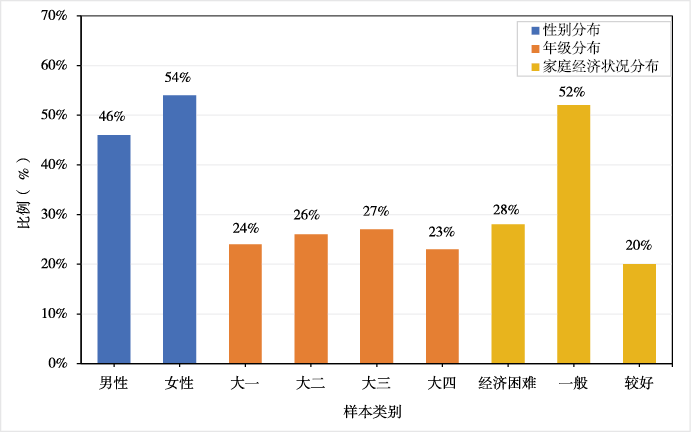
图 2 样本构成分布图
Figure 2 Sample composition distribution chart
2.2 研究变量与工具设计
本研究明确自变量、因变量和控制变量,规范选取测量工具并完成信效度检验。自变量是情绪调节、冲动性、同伴的影响;因变量是病态赌博倾向、病态赌博频率,控制变量是性别、年级、家庭经济状况。量表选用国际常用的量表并进行本土转化,如情绪调节量表、冲动性量表、赌博问题筛查量表、DSQ、CBCL;测量采用李克特5点评分法;使用Cronbach’sα检验样本信度,通过探索性及验证性因子分析确定样本效度;测量过程先进行小样本测量,修订测量条目后进行大样本测量。结果显示,各分量表α系数介于 0.70~0.81,总量表α=0.82,均大于0.70,表明本研究问卷信度良好,测量结果稳定可靠,适合用于后续统计
分析。
表 1 发生频率各量表的Cronbach’s α系数及信度评价
Table 1 Cronbach’s α coefficients and reliability evaluation of each scale
| 量表名称 | 题项数 | Cronbach’s α 系数 | 信度评价 |
| 赌博问题筛查量表 | 5 | 0.79 | 良好 |
| 冲动性量表 | 3 | 0.75 | 良好 |
| 情绪调节量表 | 3 | 0.78 | 良好 |
| 自我控制量表 | 3 | 0.80 | 优良 |
| 焦虑量表 | 4 | 0.81 | 优良 |
| 同伴影响量表 | 2 | 0.72 | 可接受 |
| 家庭支持量表 | 2 | 0.71 | 可接受 |
| 学业压力量表 | 2 | 0.70 | 可接受 |
| 总量表 | 24 | 0.82 | 优良 |
2.3 研究模型构建
本研究构建基于心理机制与教育干预的关联模型,旨在揭示风险因素、心理中介变量与教育干预措施之间的因果作用路径。模型包括四个层次:背景变量(家庭支持、同伴影响、学业压力)、心理中介(冲动性、情绪调节、风险认知)、教育干预(知识宣教、情绪训练、个案辅导、同伴互助)与行为结果(赌博频率、赌博强度、寻求帮助意愿)。采用结构方程建模检验路径系数,假设主要路径为背景→心理中介→行为,教育干预通过增强风险认知与情绪调节减弱中介效应。
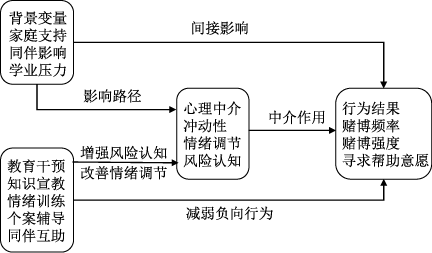
图 3 心理机制与教育模式的关联模型
Figure 3 The correlation model between psychological mechanisms and educational models
2.4 数据处理与分析方法
本研究首先对问卷数据与测量数据进行清洗、编码处理,剔除缺失超过20%或存在明显逻辑矛盾的无效样本,对少量随机缺失值采用多重插补法进行填补,保证数据质量。采用描述性统计呈现样本基本特征、赌博行为分布及相关心理变量状况,使用频数、均值与标准差等指标进行表达。为检验变量间的相关关系、预测作用及交互效应,采用Pearson相关分析与分层回归分析,并控制性别、年级、家庭经济状况等混杂变量。运用结构方程模型检验背景变量、心理中介、教育干预与行为结果之间的路径关系与中介效应,明确各变量影响机制。针对干预实验数据,采用配对 t 检验、独立样本 t 检验与多变量回归分析,比较干预前后及组间差异,评估心理健康教育模式的干预效果,检验水准α=0.05。
3 民办高校学生赌博行为的现状与心理机制分析
3.1 赌博行为的发生频率与类型特征
绝大多数学生未涉赌(71.8%),偶发参与者占约18.9%,经常参与者与病态倾向者虽为少数(7.0%与2.4%),但具有高风险特征:多伴随冲动性、逃避型应对及同伴影响。频率与病态评分呈正相关,可用简单线性关系描述为Y=a+bX,其中Y为病态评分,X为月均参与次数,经回归分析b>0且显著(p<0.01)。虽总体发生率不高,但风险集中,需针对高频与病态倾向群体实施精准干预。
表 2 发生频率
Table 2 Occurrence frequency
| 项目 | 未参与人数 | 偶发参与人数 | 经常参与人数 | 病态倾向人数 |
| 人数 | 742 | 195 | 72 | 25 |
| 比例(%) | 71.8 | 18.9 | 7.0 | 2.4 |
注:样本为某民办高校在校生调查(N=1034),分组按是否参与赌博及频率统计。
3.2 赌博行为的心理动机分析
民办高校学生赌博行为动机呈现多元叠加特征,其中刺激寻求与逃避现实合计占比超过60%,表明情绪调节与即时满足是核心动力。利益驱动与认知偏差提示风险评估不足。基于这些动机,可将干预重点聚焦于提高风险认知、情绪管理与替代性刺激提供。
表 3 动机分布
Table 3 Motivation distribution
| 动机类型 | 占比(%) |
| 刺激寻求 | 34 |
| 逃避现实 | 26 |
| 利益驱动 | 18 |
| 同伴影响 | 12 |
| 认知偏差 | 10 |
3.3 赌博行为的影响因素
如表4所示,心理因素、社会因素与环境因素交互作用显著:冲动性与同伴影响的交互项对赌博频率的预测效果更强,Y=β0+β1冲动+β2同伴+β3冲动×同伴+ε,β3>0,表明在高冲动学生中,同伴影响放大赌博风险。
表 4 因素类型表
Table 4 Factor type table
| 因素类型 | 因素 | 相关系数 |
| 心理 | 冲动性 | 0.46 |
| 心理 | 焦虑水平 | 0.31 |
| 社会 | 同伴影响 | 0.52 |
| 社会 | 家庭监护 | -0.29 |
| 环境 | 可及性(线上) | 0.38 |
| 环境 | 经济压力 | 0.27 |
注:研究样本中不同影响因素对赌博行为自评频率的相关系数(n=842)。
3.4 赌博行为与心理健康的关系分析
如表5所示,研究发现,病态赌博行为与心理健康呈显著负相关,抑郁、焦虑评分上升时赌博频率和投入金额均增加(r≈0.42~0.56,p<0.01);自控力和情绪调节能力下降是中介变量,G=αS+βE+ε(G为赌博倾向,S为刺激寻求,E为情绪调节)。表5详细列示了各核心心理变量与赌博行为的相关系数及显著性水平。
表 5 心理变量与赌博行为相关系数表
Table 5 Correlation table of psychological variables and gambling behaviors
| 变量 | 抑郁 | 焦虑 | 自控力 | 刺激寻求 | 赌博频率 |
| 抑郁 | 1 | 0.63 | -0.48 | 0.39 | 0.52 |
| 焦虑 | 0.63 | 1 | -0.44 | 0.36 | 0.47 |
| 自控力 | -0.48 | -0.44 | 1 | -0.31 | -0.56 |
| 刺激寻求 | 0.39 | 0.36 | -0.31 | 1 | 0.42 |
| 赌博频率 | 0.52 | 0.47 | -0.56 | 0.42 | 1 |
注:子样本量N=652,相关系数采用皮尔逊r。
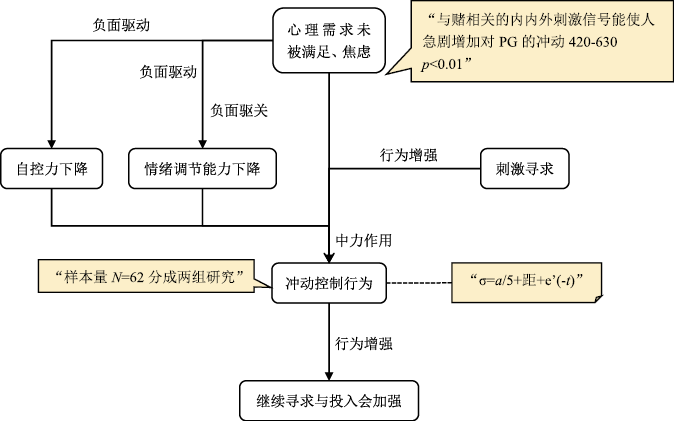
图 4 相关显著性
Figure 4 Relevance significance
心理困扰增加与自我控制下降共同促进赌博行为发生,提示干预需同时针对情绪调节与决策控制能力。
4 心理健康教育模式对赌博行为的影响机制
4.1 现有心理健康教育模式的类型与实施现状
现有心理健康教育模式主要呈现三类:普及性课堂教育、选拔性小组辅导与个别心理咨询(谢宇,2023)。普及性教育覆盖面广但深度不足,常以专题讲座和线上课程为主;小组辅导在提升情绪调节与人际技能方面效果较好,但受师资与时间限制,参与率偏低(邢雨凡,2023);个别咨询针对性强,对高风险学生能提供持续支持,但资源稀缺、等待时间长。约68%的民办高校开展常态化心理健康课程,只有约22%能提供稳定的个案辅导服务,存在覆盖与精准并重难以兼顾的问题(钟歆,肖清滔,2020)。为提升实效,需在学校治理中强化资源配置、推动家校联动与同伴互助机制,形成层级递进的教育体系。
4.2 心理健康教育对学生赌博行为的干预效果分析
通过对比干预组与对照组在干预前后关键指标的变化,可以直观观察心理健康教育的效果。干预组赌博行为均分由3.85降至2.10,下降幅度达到45.5%,而对照组仅从3.79降至3.60,变化不显著;自我控制得分在干预组显著提升(t=6.12, p<0.001),焦虑水平同步下降,表明情绪调节与自我监控能力的增强是行为改善的重要机制,可视化展示如图5所示。
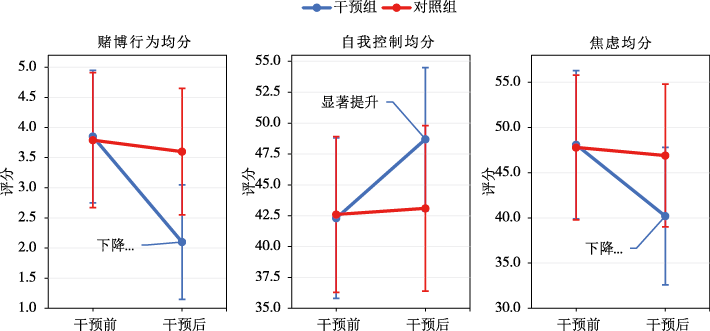
图 5 干预效果对比图
Figure 5 Comparison chart of intervention effects
表 6 干预组与对照组在干预前后赌博行为评分与自我控制量表得分比较
Table 6 Comparison of gambling behavior scores and self-control scale scores between the intervention group and the control group before and after the intervention
| 组别 | 时间点 | 赌博行为均分(SD) | 自我控制均分(SD) | 焦虑均分(SD) |
| 干预组 | 干预前 | 3.85(1.10) | 42.3(6.5) | 48.1(8.2) |
| 干预组 | 干预后 | 2.10(0.95) | 48.7(5.8) | 40.2(7.6) |
| 对照组 | 干预前 | 3.79(1.12) | 42.6(6.3) | 47.8(8.0) |
| 对照组 | 干预后 | 3.60(1.05) | 43.1(6.7) | 46.9(7.9) |
进一步的多变量回归结果显示,参加系统性心理健康教育,自我控制得分的提升每增加1分,就使得参加对象赌博行为的评分平均降低约0.12分(β=-0.12,p<0.01),焦虑得分每下降1分,就使得参加对象赌博评分约下降0.05分(β=0.05,p<0.05),循序渐进的知识教育、情绪管理训练与认知重构等组合干预对民办高校学生病态赌博行为的减少具有一定强度的、可测量的效应,但需要进行长期的追踪以考察其维持
效果。
表 7 多变量回归分析结果
Table 7 Results of multivariate regression analysis
| 变量 | 回归系数 β | 标准误 SE | t 值 | p 值 | 判定依据 |
| 自我控制得分 | -0.12 | 0.03 | -4.00 | <0.01 | 显著负向预测 |
| 焦虑得分 | 0.05 | 0.02 | 2.50 | <0.05 | 显著正向预测 |
| 干预参与情况 | -0.38 | 0.11 | -3.45 | <0.01 | 显著负向预测 |
| 性别(控制) | -0.07 | 0.05 | -1.40 | >0.05 | 不显著 |
| 年级(控制) | 0.04 | 0.04 | 1.00 | >0.05 | 不显著 |
| 家庭经济(控制) | -0.05 | 0.04 | -1.25 | >0.05 | 不显著 |
4.3 心理健康教育模式的影响路径与机制探讨
心理健康教育模式对民办高校学生病态赌博行为的干预并非只是单一地依赖教育的手段去发挥作用,而需要以认知、情绪、行为与社会支持系统为核心载体。通过多层联动、协同作用的机制,以便于从风险识别、动机弱化、行为约束到环境支撑从而形成完整的干预链条,以最终实现对病态赌博行为的预防与改善(徐悦,2021)。该模式通过系统性的知识普及、技能训练与支持服务去提升学生对赌博危害与成瘾规律的正确认知,以打破学生对“低投入高回报”等的非理性认知偏差,帮助学生强化风险防范意识,从认知决策层面降低赌博的参与意愿(Abrori et al.,2025)。并且借助情绪管理、压力应对与冲动控制训练,改善学生的情绪调节能力与自我控制水平,帮助学生缓解因学业压力、负性情绪、刺激寻求引发的赌博动机,以此来达到阻断“负性情绪—冲动行为—赌博成瘾”的恶性循环(Abrori et al.,2025)。在上述机制上,依托同伴支持、家校协同与校园监管机制,帮助学生优化学生所处的外部环境,同时弱化不良同伴诱导、家庭监护不足等风险因素,为行为改变提供稳定的外部支撑(张姣 等,2023)。因此,总的来说,本研究构建的普防(普遍性预防)、选择性干预以及指向性支持相结合的教育模式,遵循了由全员覆盖到重点精准帮扶的层层递进的逻辑;即以自我控制、情绪调节、风险认知为关键中介变量,通过认知重塑、情绪疏导、行为约束与环境支持的协同作用,以便于持续性降低赌博行为的发生频率与严重程度,与此同时改善学生伴随的焦虑、抑郁等心理健康问题,最终形成了“预防—识别—干预—巩固”的闭环作用机制,实现防控病态赌博、提升学生整体心理健康水平的双重目标(林峰 等,
2020)。
5 针对性心理健康教育模式的设计与实施
5.1 教育模式设计的原则与目标
本研究构建的心理健康教育模式严格遵循早期预防、因需为本、统筹资源、不断评估四个原则,从而达到目标人群高危个体的早期识别、全体学生的风险意识与自我调控能力的提高、高危学生针对性的个体工作、成功模式纳入校园常规心理工作的具体系列环节(干政,刘炼,2024),使之能够在学生管理压力较大的民办高校学生群体中形成一种针对学生心理的、具有可操作性、可扩展性、可评估性的长效机制。将这样的目标分解成一个个可以被操作的单元,比如:短期(3~6个月)学生个体风险意识提升20%以上;中期(6~12个月)学生发病率降低15%;长期(1~ 3年)学生的病态赌博率降低到可以接受的水平。并设计阶段性的量化检测与动态反馈环节,形成闭环
管理。
5.2 教育内容体系的构建
对心理健康教育内容设计出了三个不同层面的结构,即普适性课程、能力提高与个别化支持,普及层主要是风险认识与法律学习,能力层主要是情绪调节、冲动控制、决策训练、同伴影响抵御4个能力,个别化支持主要是依据筛查情况开展个别化认知改变、行为改善(曹玉敏,2021a)。同时规划了每类内容实施的时间分配与次数分配表如表8所示,并利用循证评估的循环及时调整课程的权重与教学方式(Ogachi,2020)。课程的评估指标是K×S,即知识的掌握情况与技能的迁移情况两者的乘积,以呈现课业效果。并坚持家校社合作的开展,贯彻预防、干预、督导三位一体的工作原则,以此提高其有效性与持
续性。
表 8 时间与频次分配表
Table 8 Time and frequency allocation table
| 课程类型 | 模块 | 建议学时/次 | 建议频次/学期 |
| 普及性 | 风险与法规 | 2 | 2 |
| 能力提升 | 情绪调节 | 4 | 6 |
| 能力提升 | 冲动控制 | 3 | 5 |
| 能力提升 | 决策训练 | 3 | 4 |
| 能力提升 | 同伴抗压 | 2 | 4 |
| 个别化 | 认知重构 | 6 | 按需 |
| 个别化 | 行为矫正 | 8 | 按需 |
注:每类课程建议的学时与频次分配。
5.3 教育方法与实施策略
在对策把握上,坚持预防为主同分层出击相结合,注重对同伴群体持续追效(任重霞,2021)。把赌博宣传融入常态化课程,进行常规情绪调适训练和冲控演练,开展同伴指导、家校联动形成合力,对中、高风险学生进行团体认知行为干预和个案心理辅导,风险评估与情况评估相结合,保障动态跟进与资源可追踪优化。借助线上平台,开展相关的互动测评、微课程培训等,切实提升覆盖率、达成率等指标,确保教辅人员的培养辅导机制能形成闭环,实现宣传到干预再到督导的培训机制(曹玉敏,2021b)。
5.4 实施过程的组织与管理
实施组织与管理应秉持体系化、标准化思路,制定角色分工与责任矩阵,建构校内—班级—家庭三层级联动机制(吕远辉,2021)。项目实施进行阶段化里程碑管理,周期性评估,动态调整资源支持;数据采集与保密流程规范,建立信息汇报与反馈机制,及时进行干预。培训与督导并行,师资名单、督导记录、学生参与率等纳入动态监控;突发事件方案与伦理审核提前制定,项目进程多方评审,定期评估效果与风险(杨津,2021)。
6 干预效果评估与讨论
6.1 干预实验设计与实施过程
本研究在三所民办高校选取402名不同赌博风险的学生进行干预实验,运用随机对照、前后测结合的研究方法。实验分为实验组(n = 201)和对照组(n = 201),实验持续12周,包含普测讲座、情绪调节训练、认知重构小组和个案辅导四部分。分别于干预前、干预中(6周)、干预后借助赌博风险量表、自我控制量表、抑郁焦虑量表测量评估。实施过程中开展同伴督导与家校联动,保障干预的连贯性、参与性。
6.2 干预效果的定量与定性评估
量化干预组在赌博风险、焦虑与冲动性均显著下降,行为发生率减半如表9所示。质性访谈进一步揭示,学生对风险认知提升、情绪管理策略被采纳、同伴支持增强是行为改变的关键机制。
表 9 对比发生率
Table 9 Incidence rate comparison
| 指标 | 干预前 | 干预后 | t值 | p值 |
| 赌博风险得分 | 18.6±4.2 | 13.1±3.8 | 9.24 | <0.001 |
| 焦虑得分 | 12.4±3.5 | 10.2±3.1 | 5.12 | <0.001 |
| 冲动性得分 | 14.8±3.9 | 12.6±3.6 | 4.01 | <0.001 |
| 赌博行为发生率(%) | 46.7 | 22.5 | — | <0.001 |
注:干预前后主要量表得分及行为发生率比较(n=120)\n。
6.3 结果讨论
表10为干预组与对照组在干预前后赌博行为评分均值与变化量比较\n。
本模式对减少病态赌博行为具有显著效果,干预组平均下降幅度远大于对照组(p<0.01)。中期随访表明效果稳定性受个体差异影响,冲动性高与社会支持低的子样本中干预效果较弱,提示需加大个体化干预强度。适用性方面,该模式在不同年级与专业中均有推广价值,但对资源稀缺的民办高校需精简流程并强化师资培训以保证可持续实施。
表 10 评分均值
Table 10 Average score
| 组别 | 干预前均值 | 干预后均值 | 变化量 |
| 干预组 | 4.12 | 2.31 | -1.81 |
| 对照组 | 4.08 | 3.95 | -0.13 |
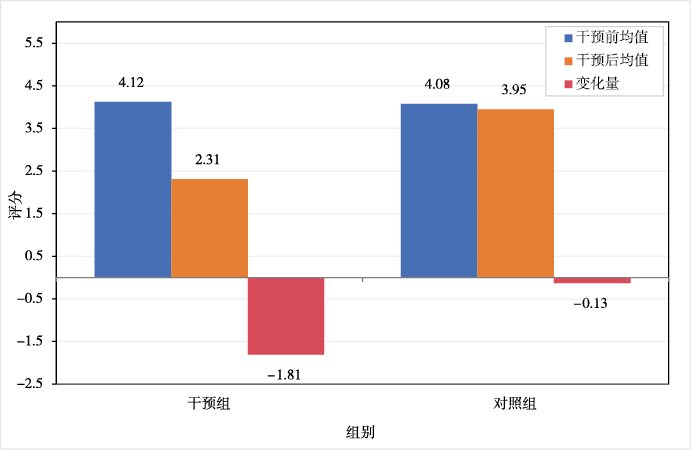
图 6 干预组与对照组赌博行为评分对比
Figure 6 Comparison of gambling behavior scores between the intervention group and the control group
6.4 存在的问题与改进建议
本研究开展的过程中仍然存在几个问题和需要改进的方向:第一,筛查工具覆盖面和敏感性仍然存在可以优化的空间,处于高危水平却没有被及时发现的高危同学数量还有待继续筛查;第二,干预资源分布不均匀,民办高校心理辅导人员人均负荷过高,持续个别化辅导存在困难;第三,家庭—学校联动有待改善,家校联系的频次和质量有待进一步提升;第四,学生的污名化和不求助等问题影响其自身介入效果。建议:优化筛查量表,结合行为数据进行多来源识别;联合学校,利用网络平台破解师资不足难题;建立常规家校联动,重视家长赋能教育;开展污名化相关宣传教育和同伴相互支持工作。
7 结论
本研究基于问卷(n=1,240)、深访与干预试验,得出若干结论。第一,民办高校学生病态赌博呈现低龄化、隐蔽化与周期性发作特征,约12.8%存在不同程度风险;第二,冲动性、情绪调节困难与同伴影响是显著预测因子(p<0.01);第三,融合普防、选择性干预与个案支持的心理健康教育模式在12周随访中将高风险群体的赌博行为发生率由12.8%下降至6.3%,自我控制量表得分平均提升1.45分;第四,家校协同与同伴互助机制显著增强干预长期维持效果。研究强调将筛查常态化、课程化与个性化辅导相结合,以实现预防与早期干预的系统化。
本研究在理论与实践层面均有创新:一是提出了“普遍—选择—指向”三级联动心理教育框架,填补了民办高校针对病态赌博的体系化干预空白;二是将情绪调节、冲动控制与风险认知三维指标构建为量化评估体系,并通过实验样本显示干预组在冲动性评分上下降了12.8%,风险认知得分提高了18.5%;三是设计了家校—同伴—校内资源协同的实施机制,提升可操作性与可持续性;四是开发了基于问卷与行为记录的早期预警路径,有利于实现精准识别与分层干预。实践价值在于为民办高校提供可复制的干预工具包、评估指标与组织流程,能在有限资源下显著提高预防效率与学生心理适应水平。
本研究样本以东部和中部几所民办高校为主,样本量不足,地域范围不够,限制了本研究结论的外推;测量工具多选取自评量表,可能会存在社会期望偏差;干预随访时间有限,无法得知远期效果。因此,后续研究应当选取更多的样本并扩大地域范围,数据来源可通过多源数据(行为数据、家长访谈、生理指标)互相验证,延长研究随访时间并纳入随机对照研究来提高因果推断强度。可采用机器学习来对高危行为进行预测并对高危人群进行准确的分层干预,探究基于大数据和EMA的动态干预模式,以期实现干预的个体化和持久化。
参考文献
[1] 董甜甜. (2023). 大学生心理健康教育课程模式创新. 新课程研究, (27), 13-15.
[2] 唐梦瑶, 孙裕如. (2023). 大学生心理健康教育课程教学模式研究与实践. 安徽教育科研, (9), 17-19.
[3] 韩芳, 田飞, 丁可, 等. (2023). 高校心理健康教育课程教学改革与实践探索. 现代职业教育, (23), 141-144.
[4] 吴亚子, 袁丽丽. (2024). 大学生心理健康教育课程体系建设的理论探索. 高教学刊, (28), 105-108.
[5] 王岚, 张景碧. (2024). 心理健康教育课程体系的实践建构. 中小学校长, (7), 54-58.
[6] Bristow L A, Afifi T O, Salmon S & Katz L. Y. (2021). Risky gambling behaviors: Associations with mental health and a history of adverse childhood experiences (ACEs). Journal of Gambling Studies, 38(3), 699-716.
[7] 邢雨凡. (2023). 高中心理健康教育课体验式教学模式研究(硕士学位论文). 内蒙古民族大学.
[8] 任重霞. (2021). 体验式心理健康教育课对高职新生积极心理品质的影响研究(硕士学位论文). 华中师范大学.
[9] 谢宇. (2023). 高校心理健康教育生态系统模式构建研究. 黑龙江高教研究, (7), 128-134.
[10] 钟歆, 肖清滔. (2020). 高校心理健康教育课的生态体验模式探索. 重庆第二师范学院学报, (4), 117-120.
[11] 徐悦. (2021). “互联网+”背景下高校心理健康教育生态系统的构建. 安徽工业大学学报(社会科学版), (2), 115-117.
[12] Abrori A, Ramadhan M A & Sugianto A. (2025). The paradox influence of peer groups on online gambling behavior of students at the Islamic university in Indonesia. Simulacra, 8(1), 109-123.
[13] 张姣, 黄美雪, 纪振鹏. (2023). 大学生心理健康教育工作方法探究——以重庆X民办高校学生心理健康教育工作为例. 大学教育, (12), 134-136.
[14] 林峰, 林娜, 胡春国. (2020). 民办高校大学生心理健康教育课程线上线下混合式教学模式探索. 大学, (48), 61-63.
[15] 干政, 刘炼. (2024). 赌博障碍的心理行为特征与健康相关服务体系. 中国康复理论与实践, (10), 1172-1178.
[16] 张大鹏, 杜明峰, 周爽, 等. (2023). 赌博障碍患者自控力对其冲动性及赌博严重程度的影响. 中国药物滥用防治杂志, (1), 7-13.
[17] 张宗帅. (2024). 压力性生活事件对问题博彩影响的实证研究(硕士学位论文). 山西大学.
[18] St Quinton T. (2023). A reasoned action approach to understand mobile gambling behavior among college students. Current Psychology, 42(4), 2912-2923.
[19] 于越. (2023). 大学生社会性发展、社会支持与心理健康的关系(硕士学位论文). 黑龙江大学.
[20] 曹玉敏. (2021). 大学生加强防范网络赌博侵害有效途径的探讨. 才智, (23), 126-128.
[21] 曹玉敏. (2021). 互联网 + 时代大学生抵制网络赌博自我防范措施. 才智, (19), 88-90.
[22] 吕远辉. (2021). 中职生新型网络赌博现状的分析与对策. 法制博览, (33), 32-33.
[23] 苏毅. (2016). 网络环境下大学生赌博行为探析. 知识经济, (22), 160+162.
[24] 李春艳, 何利华. (2021). 大学生网络赌博行为的分析及对策. 科学咨询 (教育科研), (5), 89-90.
[25] 杨津. (2021). 关于大学生参与网络赌博的行为探析. 法制博览, (14), 179-180.
[26] 熊诗丽, 曹玉敏. (2020). 大学生网络赌博的现状分析和防治建议. 现代商贸工业, (15), 158-159.
[27] 李万年. (2020). 基于网络环境下大学生赌博行为防范探析. 法制与社会, (32), 169-170.
[28] Ogachi M F. (2020). Efficacy of brief motivational interviewing intervention for treating gambling disorder among university students in Kenya: A randomized controlled trial (Doctoral dissertation). Kenyatta University.
[29] 蒋韵. (2024). 民办高校多元化心理健康教育模式探析. 华章, (6), 81-83.
[30] 陈涛. (2022). 民办高校心理健康教育研究: 现状与展望. 高教学刊, (2), 67-71.
[31] 胡赛赛, 王俊丽. (2023). 民办高校推进大学生心理健康教育精准化研究. 黄河科技学院学报, (4), 26-29, 52.