Current Views: 1273729
 Current Downloads: 793985
Education Study
ISSN Print:2707-0611
ISSN Online:2707-062X
Contact Editorial Office



Subscribe to the latest published information from SCISCAN
生成式人工智能赋能高校思政课堂评价策略研究
Generative Artificial Intelligence Empowers the Reform of Ideological and Political Classroom Evaluation in Colleges and Universities — A Study Based on Teaching Effectiveness


-
Information:
1.北京工业大学高等教育研究院,北京;
2.首都工程教育发展研究基地,北京
-
Keywords:
Generative artificial intelligence; College ideological and political courses; Teaching evaluation; Evaluation reform; Educational digitalization生成式人工智能; 高校思政课; 教学评价; 评价改革; 教育数字化
- Abstract: With the advancement of digital education, the teaching evaluation system for ideological and political courses in universities needs to break through the limitations of traditional models, and generative artificial intelligence presents new opportunities in this regard. Adopting a combination of literature research, case analysis and interdisciplinary research methods, this study conducts an in-depth analysis of the prevailing problems in the current teaching evaluation of ideological and political courses, and explores the application value of generative artificial intelligence. The research reveals that the classroom evaluation of university ideological and political courses is currently plagued by several drawbacks, including oversimplified evaluation indicators, subjective evaluation methods, lack of dynamism in the evaluation process, and insufficient utilization of evaluation data. By virtue of its technical strengths, generative artificial intelligence enables diversified and refined evaluation indicators, enhances the fairness and objectivity of evaluation, facilitates real-time dynamic evaluation processes, and unlocks the in-depth value of evaluation data. The study demonstrates that generative artificial intelligence can boost students’ engagement and their recognition index of core values, and help cultivate positive value identification among students. This research provides technical approaches and practical solutions for the reform of teaching evaluation for university ideological and political courses, facilitates the intelligent transformation of such courses, and offers technical support for fulfilling the fundamental task of fostering virtue through education. 随着教育数字化的推进,高校思政课教学评价体系也应突破传统的局限,生成式人工智能为此带来新的机遇。本研究综合运用文献研究、案例分析与跨学科研究法,深入剖析当前思政课教学评价存在的问题,挖掘生成式人工智能的应用价值。研究发现,当前高校思政课堂评价存在指标单一、方式主观、过程缺乏动态性、数据利用不充分等问题,而生成式人工智能可凭借其技术优势,实现评价指标多元精准化、提高评价公正性与客观性、推进评价过程动态实时化、深度挖掘数据价值。研究表明,生成式人工智能可以提升学生的参与度和价值观认同指数,有助于引导学生形成积极的价值认同倾向。本研究可以为高校思政课评价改革提供技术路径与实践方案,有利于推动其智能化转型,为落实立德树人根本任务提供技术支撑。
- DOI: 10.35534/es.0806129
- Cite: 张威,孔翔超.生成式人工智能赋能高校思政课堂评价策略研究[J].教育研讨,2026,8(6):735-741.
随着互联网技术的变革,高等教育数字化转型战略已成为世界各国的共同选择[1],人工智能与高校课堂教学的深度融合,已成为教育改革的重要方向。高校思想政治理论课是落实立德树人根本任务的关键课程,其教育评价不仅关系到学生对知识的掌握程度,还关系到学生价值认同、政治素养、社会责任感和实践能力的发展。传统思政课堂评价多依赖考试成绩、课堂表现和教师的经验判断,存在评价指标相对单一、过程反馈不足和学生主体参与有限等问题,难以全面呈现思政课“知识传授、能力培养与价值引领”相统一的育人效果。
近年来,生成式人工智能的发展为思政课堂评价改革提供了新的技术可能。生成式人工智能技术是一种基于深度学习技术构建的生成式预训练模型,具有非常强大的语言理解能力,可以快速捕捉文本中的语义和上下文信息。[2]其以大语言模型、多模态生成模型等为基础,根据输入信息生成文本、图像、语音、视频、教学评价和个性化反馈内容。在高校思政课堂评价中,生成式人工智能可以在现有学习分析结果的基础上,进一步生成可解释的评价反馈、个性化学习建议、教学改进方案,进而提升评价的解释性、针对性和发展性。
本文综合文献研究、案例分析与跨学科研究法,结合高校思政课堂评价的现实困境和典型实践案例,分析生成式人工智能在评价指标多元化、动态化等方面的价值,探讨参与评价改革的应用机制、风险挑战与优化策略,旨在为高校思政课评价体系的改革提供技术路径,推动其智能化转型,助力实现立德树人的目标。
1 研究方法
本研究综合运用文献研究法、案例分析法和跨学科研究法,围绕生成式人工智能赋能高校思政课堂教学评价的概念边界、应用机制、现实风险与改革策略展开研究。
1.1 文献研究法
本文采用文献研究法,对生成式人工智能赋能高校思政课堂教学评价的相关研究成果进行系统梳理。研究以中国知网(CNKI)为主要文献来源,以“生成式人工智能”“高校思政课”等为主题词进行检索,文献发表时间限定为2016年6月至2026年6月。检索结果显示,相关期刊论文共41026篇,其中“生成式人工智能”年度趋势图如图1所示,相关文献21925篇,CSSCI期刊论文4202篇;“高校思政课”年度趋势图如图2所示,相关文献19101篇,CSSCI期刊论文1129篇。通过对相关文献进行整理和分析,重点梳理生成式人工智能教育应用、高校思政课教学评价、教育数字化转型和智能评价等方面的研究成果,总结已有研究的主要观点与不足,为本研究提供理论支撑和研究思路。
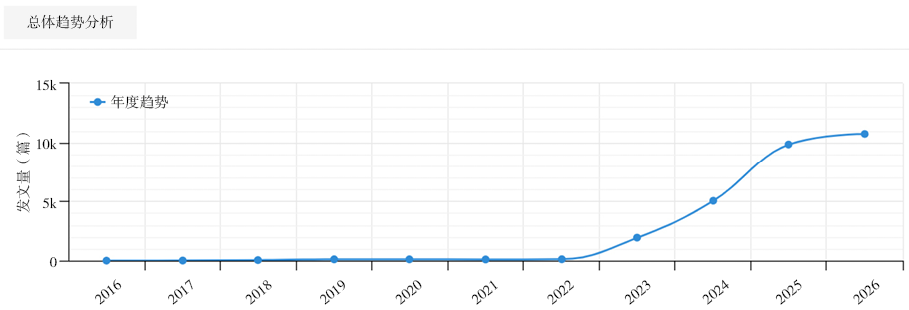
图 1 以“生成式人工智能”为主题的文章发表量年度趋势图
Figure 1 Annual trend of published articles on “generative artificial intelligence”
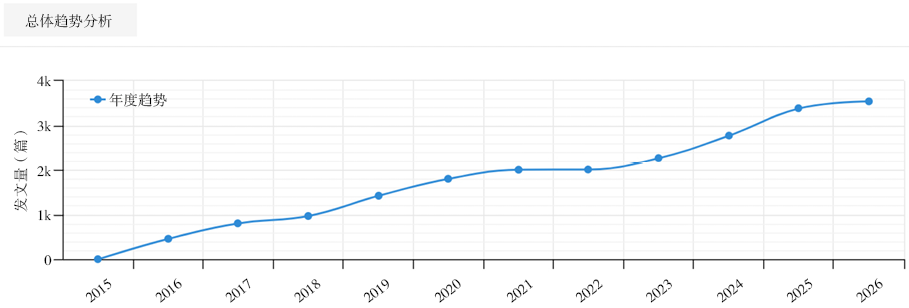
图 2 以“高校思政课”为主题的文章发表量年度趋势图
Figure 2 Annual trend of the publication volume of articles on “ideological and political courses in colleges and universities”
1.2 案例分析法
本文选取西安交通大学的“思政云宝”和厦门大学AI数字人两个高校公开应用案例作为调查对象,对生成式人工智能赋能思政教学展开研究。案例资料主要源于公开报道、已有研究文献及高校相关实践材料。本文围绕技术融入方式、评价支持功能、应用成效和现实局限等维度,对生成式人工智能与高校思政课堂教学评价融合的实践路径进行分析,为后文提出生成式人工智能赋能高校思政课堂评价改革策略提供实践依据。
1.3 跨学科研究法
跨学科研究法融合教育学、思想政治教育、计算机科学等多学科的理论知识与方法,把握价值引领和立德树人的根本要求,探讨数据安全、算法偏见和技术依赖等问题,分析课堂评价的功能与机制,在多学科交叉基础上,提出高校思政课堂评价改革策略。
2 高校思政课堂教学效果评价的现状及问题
2.1 评价指标体系不完善
当前,部分高校思政课堂教学效果评价的体系不完备。杨晨等人在研究中指出,许多高校仍将评价视为教学终结后的简单赋分环节,而非贯穿育人全过程的诊断与激励工具,这种“理念守旧”的本质是缺乏系统思维。这种单一的评价标准,无法全面地反映思政课的教学目标和育人效果,忽视了对学生思想道德素质、政治素养、创新思维和实践能力等方面的评价,容易导致教学过程不均衡,存在重视知识传授、轻视价值引领的缺点,不利于学生的全面发展。
2.2 评价方式主观性较强
在评价方式上,高校思政课堂教学效果评价以教师的评价为主,学生自评和互评所占比重较小。陆启越在研究中表示,当前我国绝大多数高校的思政课教学评价,仍然采取固定、统一的“纸质”模式,期末成绩主要考查卷面成绩,实践成绩也以提交的“纸质”材料为评价依据,平时成绩则主要依靠教师的“主观经验”,评价依据局限于“经验主义”“单一维度”“有限数据”,缺乏其他有力数据的支撑,导致评价结果“失真”与“异化”。[3]这种以教师经验判断为主的评价方式,虽然在操作上有一定的便利性,但容易受到教师个人认知、评价偏好和课堂观察范围的影响,难以全面、客观地反映学生在思政课学习过程中的真实状态。同时,缺乏学生的积极参与,也无法充分体现学生在学习过程中的主体地位,不利于调动学生学习的积极性和主动性,难以达到教学的预期效果。张应平与王立仁认为,思政课实践教学要增强吸引力和实效性,引导青年学生从“被动接受”转向“主动探索”,实现更具针对性的教育引导。这也说明,在思政课评价中应更加重视学生主体参与和过程表现,避免评价仅停留在教师单向判断和终结性考核层面。
2.3 评价过程缺乏动态性
马克思指出:“如果从观念上来考察,那么一定的意识形态的解体足以使整个时代覆灭。”[4]传统思政课堂对学生的考察评价方式,主要采用考试成绩和考勤记录等量化指标,难以真实反映学生情感态度的变化,容易导致部分学生应试心理过重,对思政课的内容表现出反感的情绪。[5]这种评价方式只能反映学生在特定时间阶段的学习成果,无法对教学过程进行全程跟踪和实时反馈。思政课教学是一个动态过程,学生的思想和行为在教学过程中会不断变化,缺乏动态性的评价,难以及时发现教学中存在的问题,无法进行及时调整,影响了教学效果的提升。
2.4 评价数据利用不充分
随着在线学习平台、智慧教室和课堂互动工具的使用,高校思政课堂积累了大量学习数据,如学生的作业成绩、考试成绩、课堂表现等。但这些数据往往没有得到充分挖掘和利用,大部分高校仅对数据进行简单的统计分析,未能深入探究数据反映的教学问题和学生学习规律,无法为教学决策提供有力的数据支持。目前高校思政课的数据采集维度相对单一,主要依赖于结构化数据,如考勤记录和文本字数等,对于非结构化行为数据,如小组协作质量、价值认同程度等关键维度的关注仍显不足。[6]杨晨等人的相关调研数据显示:“多数教师难以有效追踪学生在实践过程中的认知演变路径。”同时,思政课评价数据具有较强的敏感性,涉及学生的思想表达、价值判断和情感态度,如何在保护隐私和尊重学生主体性的基础上合理使用数据,也是当前评价改革必须面对的重要问题。
3 生成式人工智能赋能高校思政课堂评价的应用价值
3.1 实现评价指标的多元化和精准化
生成式人工智能可以针对多个来源的数据进行系统分析,构建更加全面、多元化的评价指标体系。除传统的知识考核指标外,还可以将学生的在线学习行为、课堂互动表现、社会实践成果及思想动态变化等纳入评价范围,实现对学生综合素质的精准评估。例如,通过学习平台记录学生的登录次数、学习时长、课程参与度等数据,分析学生的学习态度和自主学习能力;利用情感分析技术对学生在课堂讨论、在线交流中的发言内容进行具体分析,了解学生的思想情感和价值取向。
3.2 提高评价的公正性和客观性
基于多维数据对课堂教学行为进行评价,更易感知和理解师生行为[7],能够真实地反映教学行为状态,既是创新教学评价的内在需求,也是提升教育质量的重要举措。[8]生成式人工智能基于特定的算法和模型进行评价,有效避免了人为因素的干扰,能够更加客观、公正地反映教学效果。例如,在作业批改和考试评分等方面,利用生成式人工智能技术可以实现自动化批改,减少教师主观评分的误差。同时,通过对大量数据的分析和对比,能够发现学生个体之间的差异和进步情况,为每位学生提供个性化评价报告,使评价结果更加公平、公正。
3.3 支持教师形成教学诊断与改进方案
生成式人工智能促进教学过程走向智能生产过程。[9]生成式AI作为智能协作者,通过多模态分析捕捉课堂教学过程性数据,可为教师专业发展提供精准洞察工具[10]。在教学过程中,可以辅助教师对班级学习情况进行总结,智能生成教学诊断报告和教学修改意见。例如,在学习分析系统基本完成数据统计后,生成式人工智能可以进一步概括学生在哪些知识点上存在普遍疑惑,哪些课堂问题引发了较高参与度,哪些教学环节需要增加案例阐释或实践活动。这并不是由生成式人工智能独立完成数据采集和事实判断,而是其在已有数据分析结果基础上,进行解释、归纳和建议生成。
3.4 深度挖掘评价数据价值
生成式人工智能拥有强大的数据挖掘和分析能力,可以从海量的教育教学数据中发现潜在的规律和趋势,为教学决策提供科学依据。例如,通过分析学生的学习数据,发现不同教学方法和教学资源对学生的学习效果会产生不同的影响,从而优化教学设计和资源的配置;预测学生的学习风险,提前对可能出现学习困难的学生进行干预和辅导,实现个性化教育和精准教学。
4 典型案例分析
为了更清晰地通过案例理解生成式人工智能对高校思政课评价效果的影响,本文围绕技术功能、评价场景、实践成效和局限问题四个维度,对高校生成式人工智能赋能思政教学与评价的相关实践进行分析。
4.1 西安交通大学“思政云宝”
西安交通大学“思政云宝”是高校探索人工智能赋能思政课教学的重要实践。“思政云宝”依赖人工智能、大数据和智慧教学平台,围绕思政课教学中的资源供给、互动答疑、学习支持和过程反馈等环节,为教师教学和学生学习提供智能化辅助。但是,“思政云宝”并不是单纯替代教师完成教学评价,而是通过数字化平台和智能交互工具,为课堂教学过程记录、学生学习反馈和教师教学改进提供支持。
相较于传统的机器学习技术,生成式人工智能在特征提取、语义自动标注等方面具有明显优势,能够提升课堂教学评价的精准性,为教师提供更为及时、有效的评价反馈。[11]在课堂评价方面,“思政云宝”可以为过程性评价提供实践帮助。一方面,生成式人工智能可以在已有学习数据和互动记录的基础上,生成个性化学习反馈、课堂讨论总结、教学诊断建议和拓展学习资源,进而提升思政课堂评价的解释性和针对性;另一方面,其智能问答、内容推送和学习反馈功能,可以帮助教师发现学生在理论理解、现实问题分析和价值判断等方面存在的困惑,进而生成过程性、发展性的评价。但思政课评价中的价值判断、育人导向和最终评价责任,还是由教师承担。
4.2 厦门大学AI数字人
厦门大学AI数字人的应用,创新了高校思政教育的表达方式和互动方式。AI数字人可以通过虚拟形象、语音交互和内容生成等方式,参与教学的各个环节,如教学辅助、政策讲解、案例呈现及互动答疑等,可以为学生提供更加沉浸的学习体验。从技术特征来看,AI数字人通常融合自然语言处理、语音识别、图像处理和内容生成等多种技术,与生成式人工智能密切相关。
在课程评价方面,AI数字人可以被用于课前导学、课中互动和课后答疑。在思政课教学中,AI数字人可以围绕相应的课程内容,提出具有引导性的问题,收集学生对某一理论或热点问题的理解;可以根据学生提问生成浅层的回应,帮助教师清晰地了解学生的关注点;可以辅助生成学生的学习反馈、课堂讨论总结和学习建议。
生成式人工智能不仅可以对思政课堂评价进行“自动评分”,还可以通过对话生成、反馈生成和资源生成,增强评价的过程性和互动性。从该案例中可以看出,生成式人工智能不仅可以参与评价结果生成,也可以通过交互式方式参与评价过程。传统评价通常在学习结束后,而AI数字人的引入使评价可以融入学习过程,在互动中发现问题、在反馈中引导理解,从而促进价值的发生。但在思政教育场景中,任何生成内容都必须接受教师把关和价值审查。
AI数字人在课堂中应用也存在一定风险。首先,AI数字人生成的内容可能存在事实错误,或者价值表达不准确的问题,教师必须加强对内容的审核。其次,学生与AI数字人的互动数据,可能涉及思想态度和价值判断,应加强对数据的保护。AI数字人不能替代思政课教师的情感沟通、价值引领和现场判断,只能作为辅助交互工具和评价反馈工具。
4.3 案例比较与启示
从这两个案例可以得出,高校人工智能赋能思政课堂评价主要有两种路径:一是以数字化平台为基础的数据支持路径,二是以智能交互工具为代表的生成反馈路径。前者重在积累学习的过程数据,为评价提供依据;后者重在增强互动体验和反馈生成能力,为评价提供解释和支持。只有将二者结合起来,才能形成较为完整的智能评价体系。
对于生成式人工智能赋能高校思政课堂评价而言,案例分析有以下三点启示:第一,应明确生成式人工智能与教育数字化平台、学习分析系统之间的功能边界,避免概念泛化;第二,应将生成式人工智能重点应用于评价反馈、教学建议、资源生成和互动支持等环节;第三,应坚持教师主导和价值导向,避免技术工具替代思政课教师的育人责任。
5 生成式人工智能赋能高校思政课堂教学效果评价改革策略
技术从来不是终点,而是一种手段。面对日新月异的科技浪潮,思想政治教育应始终坚持以育人为核心、以立德树人为根本使命,维护和巩固主流意识形态的主导地位。[12]既要主动利用技术发展动能,明确技术仅为辅助手段,思想引领始终是思政教育的核心,又要将技术的外生动力和教育所需的内生力相融合,帮助受教育者全面发展,真正实现培根铸魂的育人目标。[13]
5.1 加强对人工智能应用的风险与伦理问题的应对
数据隐私方面,要通过严格的管理制度、加密技术及人员的监管和培训,防范学生数据泄露。同时,培养学生的信息安全意识和隐私保护意识,让学生了解数据使用过程中应遵守的法律法规和道德规范,确保其在享受人工智能带来的便利的同时,保障自身的合法权益[14];对于算法可能产生的偏差,应通过优化训练数据结构和定期人工审核机制予以校正,确保评价结果符合思政教育的价值导向要求。技术依赖风险方面,则需引导师生合理使用人工智能技术,避免过度技术依赖导致教师教学能力和学生自主学习能力的退化。
5.2 构建基于人工智能的多元化评价体系
结合高校思政课的具体教学目标和育人要求,利用生成式人工智能技术构建包含知识、能力、素质等在内的评价指标体系。在知识维度,不仅需要考核学生对思政理论知识的掌握程度,还要注重考查学生对知识的理解、运用和创新能力;在能力维度,将学生的自主学习能力、批判性思维能力、沟通协作能力和实践能力等纳入评价范围;在素质维度,重点评价学生的思想道德素质、政治素养、社会责任感和价值观念等。通过多个维度的评价指标,全面、准确地衡量学生在思政课堂中的学习成果和发展水平。
同时,借助人工智能的数据分析能力,对评价指标进行合理分配。根据不同指标对教学目标实现的重要程度,以及学生在课堂上的实际表现情况,动态调整指标的占比,使评价体系更加科学、合理。
5.3 创新评价方式,实现多主体协同评价
引入人工智能支持的多主体评价方式,改变传统的以教师评价为主的单一模式。在教师评价方面,利用教学辅助工具和智能评价系统,为教师提供全面、客观的学生学习数据,帮助其更加准确地评价学生的学习情况。同时,鼓励学生积极参与自我评价和互评,通过在线学习平台的互评功能和智能评价反馈,引导学生反思学习过程,学习他人优点,提高自主学习能力和自我评价能力。
此外,可以引入家长、企业和社会等外部评价主体,借助人工智能技术搭建多方参与的评价平台。家长可以通过该平台了解学生的学习动态和思想变化,参与对学生的评价;企业和社会可以根据学生在社会实践、实习等活动中的表现,对高校思政课的教学效果进行评价和反馈,为高校思政教学改革提供实践依据。通过多主体协同评价,形成全方位、多层次的评价网络,提高评价结果的有效性和可信度。
5.4 利用人工智能技术实现全过程动态评价
高校应加大对人工智能教育基础设施的投入,建设高速稳定的校园网络、功能完善的智能教学平台和学习分析系统。智能教学平台应具备课程管理、教学资源共享、在线学习、互动交流、作业批改、考试评价等功能,能够实时采集和记录学生的学习数据。[15]建立基于人工智能的全过程动态评价机制,对高校思政课堂教学的课前、课中、课后进行实时跟踪和评价。通过智能平台实时采集数据,动态化调整教学策略。
借助生成式人工智能的可视化技术,将学生在学习过程中产生的数据用直观、易懂的图表形式呈现出来。教师可以通过可视化界面,清晰地了解每位学生的学习轨迹和发展趋势,有利于进行个性化指导;学生也能清晰直观地看到自己的学习进步情况,以及需要加强的部分,增强学习的动力和信心。
5.5 加强评价数据管理与分析,推动教学决策科学化
生成式人工智能技术可以利用其强大的算法支持和内容整合生产能力[16],建立完善的高校思政课堂教学效果评价数据管理系统,对评价过程中产生的各类数据进行统一收集、整理、存储和管理。确保数据的准确性、完整性和安全性,为后续的数据分析和应用提供可靠保障。利用人工智能的数据挖掘和分析算法,对评价数据进行深度分析,挖掘数据背后隐藏的教学规律和学生学习行为模式。
通过数据分析,自动生成教学策略并规划教学优化路径,为教学提供科学依据。[17]例如,根据学生的学习情况和评价结果,优化课程设置和教学内容,合理安排教学进度;针对不同学习层次和特点的学生,制定个性化教学计划和辅导方案;评估不同教学方法和教学资源的有效性,选择最适合学生的教学方式和资源组合。同时,利用数据分析结果,对教学质量进行持续监测和评估,及时发现教学中存在的问题和风险,采取相应的改进措施,推动高校思政课堂教学质量不断提升。
5.6 提升教师的人工智能素养和应用能力
马克思指出:“思想要得到实现,就要有使用实践力量的人。”[18]人工智能赋能思政的效能,最终取决于思政队伍的数字胜任力。[19]教师是进行高校思政课堂教学效果评价改革的实施主体,提升教师的人工智能素养和应用能力至关重要。[20]高校不仅应加强对辅导员、专业教师的培训,还要建立高校、家庭、社会和学生“四位一体”的育人共同体。通过开展专题讲座、学术研讨和实践操作等多种形式的活动,帮助教师了解人工智能的基本原理、技术特点和教育教学应用场景,掌握人工智能工具和平台的使用方法,提高教师运用人工智能技术进行教学评价和改革的能力。
鼓励教师积极开展基于人工智能的教学研究和实践探索,将人工智能技术与思政教学结合,创新教学方法和评价模式。建立教师激励机制,对于在教学评价改革中取得突出成绩的教师给予表彰和奖励,激发其参与改革的积极性和主动性。
6 结论
生成式人工智能技术的发展,为高校思政课堂教学效果评价改革带来了新的机遇和挑战。通过构建基于生成式人工智能的多元化评价指标体系、创新评价方式、实现全过程动态评价,以及加强评价数据管理与分析等改革策略,能够有效解决传统评价体系存在的问题,提高评价的科学性、客观性和有效性。在实施路径上,需要加强人工智能基础设施建设、提升教师的人工智能素养和应用能力、完善相关政策制度和保障机制,以及强化学生的数据意识和信息素养培养。
将生成式人工智能应用于高校思政课堂教学效果评价改革,是一项系统工程,需要高校、教师、学生等各方共同努力。只有充分发挥人工智能的优势,不断探索和创新,才能构建更加科学、高效、智能的高校思政课堂教学效果评价体系,推动高校思政课教学质量不断提升,为培养担当民族复兴大任的时代新人提供有力支撑。未来,随着人工智能技术的不断发展和教育应用的深入推进,高校思政课堂教学效果评价改革将不断取得新的突破和进展,为高校思想政治教育事业的发展注入新活力。
参考文献
[1] Kopylova N.Technologies for higher education digitization[C]//International Conference on Professional Culture of the Specialist of the Future.Cham:Springer International Publishing,2022:402-412.
[2] Alkaisi H,Mcfarlane S I.Artificial hallucinations in ChatGPT:Implications in scientific writing[J].Cureus,2023(2):e35179.
[3] 陆启越.基于循证实践的高校思政课教学评价范式新探[J].黑龙江高教研究,2022,40(8):129-133.
[4] 马克思,恩格斯.马克思恩格斯文集:第8卷[M].北京:人民出版社,2009.
[5] 杨海军,李艳.高校思政课情感育人的现实困境与优化路径[J].学校党建与思想教育,2026(3):85-88.
[6] Wei S P,Hou W T,Jiang F J.Big Data-Based Evaluation of Higher Education:Model Construction and Practice Path[J].Frontiers of Digital Education,2024(2):171-177.
[7] 牟智佳,符雅茹.多模态学习分析研究综述[J].现代教育技术,2021(6):23-31.
[8] 炕留一,叶海智,张瑾,等.基于多维数据的课堂教学行为评价研究[J].现代教育技术,2022,32(4):68-77.
[9] 杨宗凯,王俊,吴砥,等.ChatGPT/生成式人工智能对教育的影响探析及应对策略[J].华东师范大学学报(教育科学版),2023(7):26-35.
[10] Cordero J,Torres-zambrano J,Cordero-castillo A.Integration of generative artificial intelligence in higher education:Best practices[J].Education Sciences,2025,15(1):32-48.
[11] 宋宇,许昌良,穆欣欣.生成式人工智能赋能的新型课堂教学评价与优化研究[J].现代教育技术,2024,34(12):27-36.
[12] 张瑜,贾经铭.基于信息技术的思想政治理论课精准施教模式探析——以清华大学“思想道德与法治”课程为例[J].中国青年社会科学,2022,41(1):82-88.
[13] 王少.机遇与挑战:AIGC赋能新时代思想政治教育[J].教学与研究,2023(5):106-116.
[14] Holotescu C.Understanding blockchain opportunities and challenges[C]//Conference Proceedings of Learning and Software for Education.Bucharest:Carol I National Defense University Publishing House,2018:275-283.
[15] Akgun S,Greenhow C.Artificial intelligence in education:Addressing ethical challenges in K-12 settings[J].AI and Ethics,2021,1(9):1-10.
[16] 李瑶曦,徐兰格.人工智能技术赋能高校思想政治教育研究[J].学校党建与思想教育,2024(6):69-72.
[17] 宋宇,许昌良,穆欣欣.生成式人工智能赋能的新型课堂教学评价与优化研究[J].现代教育技术,2024,34(12):27-36.
[18] 马克思,恩格斯.马克思恩格斯文集:第1卷[M].北京:人民出版社,2009.
[19] 陈文珍,邹艳.生成式人工智能赋能高校思政引领力的机遇与挑战[J].湖南社会科学,2026(3):132-138.
[20] Tsai D C L,Huang A Y Q,Lu O H T,et al.Automatic question generation for repeated testing to improve student learning outcome[C]//2021 International Conference on Advanced Learning Technologies (ISALT).Tianjin:IEEE,2021:339-341.