Current Views: 32730
 Current Downloads: 21753
Guide to Education Innovation
ISSN Print:2789-0732
ISSN Online:2789-0740
Contact Editorial Office



Subscribe to the latest published information from SCISCAN
Exploration of Experimental Teaching Reform in Metallurgical Engineering Based on Equipment Optimization


-
Information:
1. Key Laboratory for Ecological Metallurgy of Multimetallic Mineral (Ministry of Education), Northeastern University, Shenyang;
2. School of Metallurgy, Northeastern University, Shenyang;
3. Academic Affairs Office, Northeastern University, Shenyang;
4. Graduate School, Northeastern University, Shenyang;
5. National School of Elite Engineers, Northeastern University, Shenyang;
6. Academy of Innovation and Entrepreneurship, Northeastern University, Shenyang
-
Keywords:
Metallurgical engineering; Practice-Oriented education; Experimental teaching; Equipment optimization; Controlled atmosphere melting point and melting rate testing
- Abstract: In the context of the vigorous advancement of China’s “Double First-Class” initiative, upgrading experimental teaching equipment in metallurgical engineering holds significant importance for enhancing undergraduate experimental teaching quality and strengthening talent cultivation. The School of Metallurgical Engineering at Northeastern University has optimized experimental procedures, improved efficiency, and enhanced data accuracy by updating and adding instrumentation for courses such as Engineering Thermodynamics, while introducing computer-controlled systems and data acquisition systems. Addressing the limitation of the original melting point and melting rate tester, which lacked atmosphere control capabilities, a controlled-atmosphere testing chamber was independently designed and developed. This enables melting point and melting rate testing and analysis under controlled atmospheric conditions, accurately measuring the melting points and melting rates of various metallurgical materials with complex compositions and differing properties. It provides more reliable data support for related research and experimental teaching.
- DOI: 10.35534/gei.0601003
- Cite: Zhao, Q., Liu, C. J., Liu, Z. Q., Liu, C. F., & Zhu, C. L. (2026). Exploration of Experimental Teaching Reform in Metallurgical Engineering Based on Equipment Optimization. Guide to Education Innovation, 6(1), 20-27.
1 Introduction
In the introduction, authors should particularly emphasize the research progress made by scholars in this field, both domestically and internationally. They should compare the differences between this study and other research findings, and focus on highlighting the purpose, methods, experimental and analytical approaches, and results of this paper. With the advancement of national science and technology, the development and reform of higher education face escalating challenges and pivotal opportunities. Experimental instruction constitutes an indispensable component of undergraduate education. The effectiveness of such instruction depends not only on teaching content, pedagogical approaches, and the learning environment but is also closely related to the quality of experimental instruments (Wang et al., 2021). In recent years, driven by the vigorous advancement of the national “Double First-Class” initiative, universities have steadily promoted experimental teaching initiatives. Numerous scholars have conducted valuable explorations concerning university experimental teaching systems, laboratory instrument development, and laboratory management (Yang et al., 2022). Against this backdrop, aligning with the national strategy for new industrialization and the evolving talent cultivation demands of Northeast China’s revitalization, the university has focused on establishing a diversified funding system centered on the Central Universities Basic Conditions Improvement Project. This effort ensures stable and increased investment in teaching laboratory operations. Simultaneously, guided by experimental teaching needs, the university has systematically advanced infrastructure development, optimized educational technology resource allocation, and comprehensively upgraded the modernization level of educational equipment.
The metallurgical industry is a vital foundational sector for the nation. Currently, China’s metallurgical industry is undergoing a critical phase of transformation and upgrading following a period of rapid development. Metallurgical disciplines are highly experimental fields. With the rapid development and iteration of new technologies and equipment, upgrading experimental facilities is crucial for strengthening specialized and disciplinary development, enhancing scientific innovation capabilities, and improving talent cultivation quality (Zhu et al., 2024; Zhao et al., 2024). However, compared to intelligent and digital experimental instruments, some traditional equipment still in use has significant limitations, such as difficulty in meeting high-precision experimental requirements and the inability to automatically collect, store, and analyze data. Traditional experimental instruments still rely on manual scale interpretation and handwritten data recording, followed by manual statistical analysis. This approach is not only inefficient but also carries a high risk of human error in data collection and analysis (Yang, Zhu et al., 2022; Yang et al., 2019). In the context of Industry 4.0, as production practices become increasingly digitized and intelligent, students relying solely on traditional instruments struggle to meet modern production demands, severely hindering the continuous improvement of talent cultivation quality in the era of digital and intelligent (Feng et al., 2022; Zhang & Tang, 2015). Therefore, to advance the integrated development of education, technology, and talent in metallurgical engineering, and to cultivate outstanding professionals who excel at identifying problems, precisely solving challenges, and courageously innovating, it is essential to establish a high-level experimental teaching system supported by an advanced experimental teaching system, and to build a high-caliber experimental teaching team (Jiang et al., 2014; Huang et al., 2025).
2 Significance of Updating Experimental Teaching Equipment
2.1 Ensuring Accuracy of Experimental Data
Experimental teaching in metallurgical engineering relies heavily on instrumentation and equipment. Updating such equipment in foundational courses holds significant importance for teaching effectiveness. Take the engineering thermodynamics experiment in the metallurgical public foundation course as an example: previously, only the converging nozzle experiment and the carbon dioxide PVT experiment were conducted. After equipment upgrades, the new nozzle apparatus enables both converging and diverging nozzle experiments. The new CO₂ PVT experimental setup was increased from two to three units. Compared to traditional equipment, students can now instantly conduct measurements and comparisons at different temperatures, eliminating lengthy temperature adjustment waiting periods and significantly enhancing experimental efficiency and learning experience. Additionally, the Engineering Thermodynamics lab curriculum has been expanded to include steam P-T experiments, constant-pressure specific heat experiments, refrigeration cycle experiments, and Rankine cycle experiments, thereby forming a comprehensive experimental teaching system that covers most of the theoretical knowledge points in engineering thermodynamics.
The addition and upgrading of equipment in public foundational experimental courses have not only increased the coverage of related theoretical instruction, deepening students’ understanding of theoretical knowledge, but also ensured the precision and frequency of data acquisition through intelligent devices. This effectively supports the expansion of experimental teaching in both depth and breadth. Aligned with the student-independent operation model, students no longer share experimental data among multiple individuals as in traditional group experiments. This eliminates phenomena of data sharing and plagiarism, effectively enhancing the standardization and academic rigor of experimental teaching.
2.2 Optimizing Experimental Workflows
In the combustion science fuel oil viscosity test, the originally employed single-cylinder, temperature-controlled viscometer (2010 model) presented notable limitations. The experimental protocol required students to measure identical samples at three distinct temperatures, with a minimum of two trials per temperature to derive an average value. However, with only two such units available and their aged condition necessitating stabilization periods exceeding thirty minutes following each temperature adjustment, a substantial portion of instructional time was consumed by waiting. This issue has been addressed by upgrading to three dual-cylinder viscometers. Instructors can now preset the three target temperatures prior to laboratory sessions, thereby shifting preparation tasks forward and minimizing in-class delays. Furthermore, the dual-cylinder design permits simultaneous measurements under isothermal conditions. Consequently, students are required to perform only a single trial per temperature to obtain a reliable average, which eliminates procedural time loss, mitigates operator-dependent error, and substantially improves experimental throughput.
In fluid mechanics, the experimental setup has been advanced from three rudimentary apparatuses constructed with acrylic tubing to thirteen integrated units featuring computer-controlled data acquisition systems. The legacy equipment for flow resistance measurements imposed stringent operational precision, as minor deviations could introduce significant error. This was particularly critical during manual stopwatch timing, where discrepancies on the order of tenths of a second could compromise an entire dataset. Since the final results are derived through subsequent computational analysis of raw measurements, initial errors often remain undetected until the data processing phase. This frequently compelled students to repeat experiments to achieve valid outcomes. The newly implemented system incorporates automatic timing, thereby eliminating manual chronometry errors. It also facilitates real-time computational validation of dataset plausibility. Upon detection of anomalies, the system provides immediate feedback, allowing students to make prompt adjustments and repeat measurements as necessary. This integration significantly enhances both experimental efficiency and the reliability of the acquired data.
2.3 Enhancing Experimental Innovation
Equipment upgrades and functional enhancements not only increase the number of devices available for simultaneous student use but also expand experimental content, enhancing teaching flexibility. Students can now independently select experimental subjects for specific projects, thereby diversifying experimental scenarios. For example, in linear heat conduction experiments, traditional equipment only supported temperature distribution measurements on homogeneous, single-material specimens. Following equipment modernization, students can independently select specimens of varying materials and geometries according to research objectives. They can even investigate temperature distribution using non-traditional materials such as leaves or paper. This more flexible and open experimental teaching model effectively stimulates students’ initiative and scientific inquiry, providing robust support for cultivating innovative talent.
3 Independent Design and Modification: Function Development and Technical Upgrades for Melting Point and Melting Rate Testers
3.1 Necessity of Equipment Modification
The physical properties of metallurgical melts — such as melting temperature, viscosity, density, and electrical conductivity — directly and critically influence the implementation and control of pyrometallurgical processes involving high-temperature operations. Unlike pure crystalline substances with defined melting points, metallurgical melts are typically highly complex multicomponent systems. Consequently, their melting behavior is not characterized by a sharp transition at a single temperature but rather occurs over a specific temperature range.
The melting temperature of a metallurgical melt is defined as the temperature at which its solid phase is completely transformed into a homogeneous liquid state. Conversely, the temperature at which solid phases begin to precipitate during cooling is termed the solidification temperature or solidus point. As a vital physical property, the melting temperature serves as a crucial parameter for scientifically determining optimal metallurgical process conditions. For instance, the melting temperature of a slag often dictates the operating temperature window of a smelting process and can be experimentally measured. In experimental teaching, the hemispherical point method is commonly employed to determine the melting temperature of furnace slags. This method typically utilizes a dedicated “Melting Point and Melting Rate Tester” to analyze the thermal behavior of samples. The standard procedure involves heating a pressed cylindrical slag sample under controlled conditions. As the temperature increases, the sample softens, deforms, and eventually collapses into a hemispherical shape. The temperature at which this specific morphology is achieved is recorded as the hemispherical point temperature. Parameters such as the hemispherical point temperature and the melting rate are critical for ensuring the smooth operation of metallurgical processes and for guaranteeing final product quality. They constitute essential data that must be accurately determined and controlled in both metallurgical production and fundamental research. The melting point and melting rate tester currently available at the Experimental Center of the university’s School of Metallurgy is a non-controlled-atmosphere instrument. It is primarily used for undergraduate experimental teaching and scientific analysis services on the university’s large-scale equipment sharing platform. In routine operations, the device yields satisfactory results when analyzing standard slags and mold fluxes. However, during equipment sharing services, analytical results for some samples submitted by external users — particularly those with complex compositions — have exhibited deviations. This discrepancy is particularly evident for slag samples containing reducing components. Based on extensive operational experience, literature reviews, and comparative experimental analyses, the findings suggest that these deviations are primarily attributed to reactions between certain sample components and the ambient atmosphere.
Currently, the melting point and melting rate testers at our institution feature an open-ended design of the corundum tube, which results in a lack of atmosphere control capability. Consequently, this configuration inevitably leads to sample oxidation at pronounced temperatures, significantly limiting its applicability and rendering it inadequate for meeting the practical demands of modern talent cultivation and scientific research. Therefore, it is imperative to undertake equipment upgrades, functional expansions, and secondary development of these instruments. Through systematic modification of the core testing components — including the furnace body, testing chamber, and sample feeding mechanism — the project is aimed at equipping the apparatus with controlled atmosphere capabilities, including protective gas environments. This enhancement will enable accurate measurements, of the melting points and rates for complex and diverse metallurgical materials. Ultimately, the upgraded instrument, as shown in Figure 1, will provide students with enhanced experimental conditions and a broader selection of materials for investigation, fostering the cultivation of innovative skills and thereby providing robust support for the teaching and research endeavors of the university and its departments.
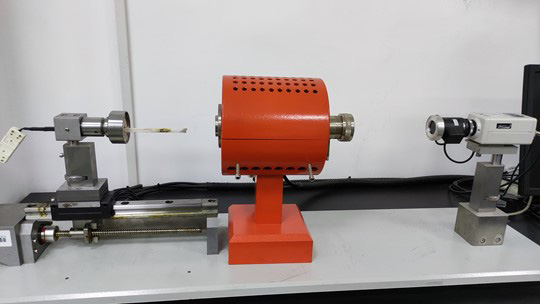
Figure 1 Photo of the Upgraded Melting Point and Melting Rate Testers
3.2 Objectives and Scope of Equipment Modification
To address the aforementioned limitations, modification of the existing melting point and melting rate tester is proposed. The core objective is the integration of a controlled-atmosphere test chamber. This upgrade aims to enable gas protection and control over specific atmospheric conditions, while facilitating easier component maintenance. The modified system is expected to achieve precise measurements of melting points and melting rates for metallurgical materials with complex compositions and diverse properties, thereby fulfilling the analytical requirements for experimental instruction within metallurgical disciplines.
The melting point and melting rate tester primarily consists of a heating system and an integrated image acquisition and processing unit. The heating system features a horizontal tube furnace design. During operation, samples are loaded into the testing chamber — positioned inside the furnace’s alumina tube — via an automated feeder system. A CCD camera aligned with the opposite end of the alumina tube enables real-time monitoring of the sample’s melting behavior. The existing device (Model: RD-III) at our university’s Metallurgical College Experimental Center utilizes a non-sealed sample chamber. This design inherently prevents effective gas shielding and precise atmosphere control during testing. To enable measurements under defined atmospheric conditions, modifications to the furnace body, the sample introduction mechanism, and the testing chamber are required. The core objective of these modifications is to establish a sealed testing environment that allows for precise atmospheric control and effective colloidal sealing.
The primary modifications encompass the installation of sealed and cooled quartz glass window assemblies at both the camera observation end and the sample feeding end of the test chamber. These modifications are designed to facilitate precise atmospheric control within the chamber, ensuring compliance with requirements for gas protection. By effectively isolating the sample from ambient air, the system enables accurate determination of the melting point and melting rate of metallurgical materials with complex compositions and diverse properties. Sealed terminals are positioned at both ends of the test chamber. Each terminal is fitted with a valve and an integrated cooling device. The front terminal is connected to a gas inlet channel, which links to the gas supply cylinder via a main gas source valve. The rear terminal is connected to an exhaust outlet channel. System pressure and gas flow are precisely regulated by a mass flow controller, which provides high precision, excellent repeatability, and rapid response. This configuration also allows for atmospheric control using various corrosive gases. The sealing terminals are constructed from heat-resistant stainless steel and incorporate a specially designed mechanical interface to achieve a reliable seal between the terminal assembly and the alumina furnace tubes.
3.3 Research Approach and Innovations
During the equipment upgrade, the team first conducted literature and equipment research. Building on this foundation, members collaborated to independently design components, including the high-temperature furnace body, test chamber, sealing terminals, and connectors. Through optimization, they ensured controllable atmospheres within the test chamber. After completing the design, they commissioned relevant enterprises to manufacture the components, followed by equipment installation, debugging, and trial operation. Addressing issues identified during trial operation, the team continuously refined and enhanced the equipment’s performance. This ultimately enabled accurate measurement of melting points and melting rates for metallurgical materials with diverse compositions and properties. The upgraded equipment will be utilized for undergraduate laboratory instruction and made available through Northeastern University’s large-scale instrument sharing platform. This facilitates comprehensive benefits for undergraduates, graduate students, and faculty, providing more reliable data support for related research and experimental teaching.
The core innovations of this equipment upgrade are as follows:
(1) Achieved melt point and melting rate testing capabilities under controlled atmosphere conditions;
(2) Enabled precise measurement of melt points and melting rates for metallurgical materials with complex compositions and varying properties;
(3) Ensured high-temperature sealing integrity of the testing chamber, with sealing components capable of sustained operation under elevated temperatures;
(4) Implemented atmosphere control for various corrosive gases.
4 Summary and Outlook
Experimental instruction constitutes a fundamental pillar of undergraduate education, whose efficacy is critically dependent on advanced instrumentation and technical infrastructure. In the context of China’s strategic push towards new industrialization, it is essential not only to modernize experimental facilities to meet current technological standards but also to innovate in experimental content, methodologies, and pedagogical approaches. In response, the School of Metallurgy at our university has systematically introduced new equipment and conducted in-house redesigns of existing apparatuses. These initiatives have enabled the expansion of experimental modules in core courses such as engineering thermodynamics and enhanced measurement practices for determining the melting points and melting rates of metallurgical materials. Furthermore, they have facilitated the optimization of experimental protocols, resulting in significant improvements in operational efficiency and data reliability.
Currently, most domestically produced basic experimental teaching equipment relies on standardized industrial manufacturing, leading to significant homogenization among institutions’ acquisitions and failing to reflect institutional specializations. University-industry collaborative laboratories represent a vital form of industry — academia — research cooperation, enabling universities to secure sustained corporate investment in technological innovation. Through such partnerships, institutions can leverage the advanced technological capabilities of their corporate partners in conjunction with their own academic teams’ technical expertise, pedagogical insights, and research experience. This synergistic collaboration facilitates the co-development of customized experimental teaching platforms that are specifically tailored to the institution’s unique disciplinary characteristics and personalized instructional requirements.
While undertaking equipment upgrades, universities should establish comprehensive laboratory system development initiatives, implementing a modular and categorized construction model. This framework is designed to systematically enhance the capabilities of three distinct laboratory types: Verification-Oriented Laboratories, Knowledge-Integration Innovation Laboratories, and Interdisciplinary Challenge Laboratories. For each laboratory type, tailored instructional materials should be developed to facilitate the progressive building of student competencies. Concurrently, teaching methodologies must be innovated to advance the deep integration of dynamic teacher-student-equipment interaction, thereby significantly enhancing course relevance and instructional effectiveness. It is essential to cultivate exemplary teaching teams dedicated to the development of first-class courses, the integration of cutting-edge knowledge, and interdisciplinary specialization. The ultimate goal is to establish an integrated “experiment — textbook — course — faculty” ecosystem, centered on holistic student competency development. By fully leveraging advanced equipment, this approach aims to fundamentally enhance the quality of undergraduate experimental teaching, elevate the overall standard of talent cultivation, and supply enterprises with high-caliber professionals possessing robust practical and innovative capabilities. This model fosters a sustainable virtuous cycle of mutual benefit and synergistic advancement between academia and industry.
References
[1] Wang, X. G., Zheng, F., Xu, X. H., Hao, Z. X., & Fan, Y. J. (2021). Transforming and researching teaching instruments to promote the reform of chemical experiment teaching. Laboratory Science, 24(2), 181−184.
[2] Yang, F. Q., Yu, L. X., & Li, X. (2022). Visual analysis of the development trend of experimental teaching research in Chinese universities. Higher Education in Chemical Engineering, 39(4), 2−8.
[3] Zhu, W. W., Sui, Q., Han, Y., & Ran, X. (2024). Strategies for upgrading and transforming experimental equipment in material science disciplines of universities. China Modern Educational Equipment, (15), 41−43.
[4] Zhao, Q., Liu, C. J., & Jiang, M. F. (2024). Teaching of comprehensive utilization of metallurgical resources and environmental protection driven by the cultivation of modern metallurgical engineering talents. China Metallurgical Education, (3), 49−52.
[5] Yang, C., Zhu, M. Y., Du, T., & Liu, C. J. (2022). Research and practice on the training system of interdisciplinary talents for “New Metallurgy”. China Metallurgical Education, (1), 29−33, 37.
[6] Yang, C., Du, T., Liu, C. J., Chu, M. S., Pan, X. L., Lou, T. P., & Zhu, M. Y. (2019). Reform of metallurgical engineering major adapting to the green and intelligent development of the industry. China Metallurgical Education, (6), 33−36.
[7] Feng, H. J., Sun, Z. F., & Wang, C. T. (2022). Reflections and paths on improving the quality of experimental teaching in universities. Journal of Chemical Education (Chinese and English), 43(18), 71−77.
[8] Zhang, L. G., & Tang, P. X. (2015). Research on the management mechanism and improvement ideas of university-enterprise co-constructed laboratories. Experimental Technology and Management, 32(10), 248−250.
[9] Jiang, M. F., Luo, Z. G., Zou, Z. S., & Meng, L. J. (2014). Reform of practical teaching system for iron and steel metallurgy based on the cultivation of outstanding engineers. China Metallurgical Education, (1), 51−52, 55.
[10] Huang, B. F., Hu, T., Li, S. W., Yin, S. B., & Dai, L. Q. (2025). Teaching reform and practice of “Iron and Steel Metallurgy” course under the Outstanding Engineer Program. Western China Quality Education, 11(11), 6−10.