Current Views: 33005
 Current Downloads: 21923
Guide to Education Innovation
ISSN Print:2789-0732
ISSN Online:2789-0740
Contact Editorial Office



Subscribe to the latest published information from SCISCAN
The Evolution of China’s Primary and Secondary School Teacher Policy Since the Reform and Opening Up (1978-2023)


-
Information:
Institute of Teacher Education for Advanced Study, Jiangxi Normal University, Nanchang
-
Keywords:
Teacher policies; Primary and secondary school teachers; Evolution stages; State; Characteristics
- Abstract: This study analyzes primary and secondary school teacher policy texts published between 1978 and 2023 to explore the overall landscape and evolution of China’s primary and secondary school teacher policy since the reform and opening-up in 1978. The research employs text analysis, word frequency analysis, and cluster analysis. The study outlines the evolution of China’s primary and secondary school teacher policies in four stages: the exploration and adjustment stage beginning with the restoration of normal education (1978-1992), the rapid evolution stage catalyzed by curriculum and teacher education reforms (1993-2005), the comprehensive development stage aimed at fostering educational balance (2006-2017), and the deepening reform stage focused on achieving high-quality development in the new era (2018-present). Utilizing techniques such as keyword extraction and thematic clustering, the research analyzes the evolutionary process and thematic shifts in China’s primary and secondary school teacher policies, outlining the developmental landscape and distinctive features of policy evolution.
- DOI: 10.35534/gei.0602011
- Cite: Zhong, Z. X., Liu, M., Qiu, Y. T., & Deng, Z. Y. (2026). The Evolution of China’s Primary and Secondary School Teacher Policy Since the Reform and Opening Up (1978-2023). Guide to Education Innovation, 6(2), 119-137.
1 Introduction
According to statistical data, China boasts a formidable teaching force with 18.8 million dedicated educators across all levels (Ministry of Education, 2021), effectively sustaining the world’s largest education system and earning commendation as an “exceptional force” (Department of Teacher Affairs, Ministry of Education, 2019). Education is a crucial program worldwide, and teachers play a vital role in its success. Since 1978, the State and the people have focused on teachers, recognizing the diversity and complexity of the teaching community. Different school segments and types of teaching staff have different requirements, and corresponding policies reflect various centers of gravity or tendencies.
“Policies and strategies are the lifeblood of the Party” (Lu, 2016), and their value lies in addressing practical issues through institutional frameworks. Educational policies constitute a vital component of national educational activities, offering direct guidance to educational practices. Teacher policies, as a subset of educational policies, play a crucial role in shaping the trajectory of educational policy activities. They not only provide direction and trends for the development of the teaching workforce but also serve as a significant driving force propelling the advancement of the entire educational enterprise. In policy contexts, the term “evolution” refers to both “change” and “development”. It represents the quantitative changes that occur over an extended period in the continuous improvement process of teacher policies. Additionally, it reflects the qualitative shifts in the temporal differences and stage-specific characteristics of teacher policies throughout different eras. Primary and secondary school teachers are the foundation and assurance for the high-quality development of basic education. It is important to understand the evolution and value orientation of teacher policies to guide and promote the construction and long-term development of the teaching workforce in basic education.
2 Research Design
The research focuses on policy texts related to primary and secondary school teachers issued in China since the reform and opening-up. Employing methods such as text segmentation, frequency analysis, and clustering analysis, this study seeks to unveil the developmental trajectory, evolutionary process, and stage-specific characteristics of primary and secondary school teacher policies. Through an examination of the substitution patterns and logical relationships of key terms at each stage, it aims to present an overview of the overall situation and stage-specific focal points in the evolution of primary and secondary school teacher policies in China since the reform and opening-up. This analysis serves to reflect the developmental expectations and target directions for primary and secondary school teachers set by national policies.
(1) Organizing the policy texts related to primary and secondary school teachers since 1978 into several corpora is a fundamental step in this study, aligning with the evolutionary stages of teacher policies. These corpora are composed of segmented policy texts gathered at distinct stages. The sections pertinent to primary and secondary school teacher policies are retained as the analytical texts, while non-relevant content is excluded.
(2) Employing ROST CM and Co-Occurrence as the primary tools for data processing, the policy texts undergo tokenization and subsequent statistical analysis of word frequencies. Distinguishing high-frequency from low-frequency words involves determining the critical value, calculated as the square root of the different word counts in the text (Sun, 1992). Following the principle of retaining or discarding based on the same word frequency, high-frequency words are extracted as keywords for each policy text.
(3) The third step is to organize and count the keywords of each policy text in stages. Then, use the TF-IDF algorithm to calculate the high-frequency words of all policy texts in each stage. Extract the important keywords in each stage based on the TF value (word frequency) and the TF-IDF value of each policy in each stage. Next, use the Vosviewer software to conduct cluster analysis of the important keywords in each stage. Finally, based on the cluster results, combine with text analysis to explore the background of the development of the policies in different stages with their stage-specific characteristics.
3 Research Results and Process
3.1 Policy Text Selection and Analysis
In this study, teacher policy refers to the macro-level policies that guide primary and secondary school teachers throughout the country. The text sources include policy documents published on the websites of the Central People’s Government of the People’s Republic of China and the Ministry of Education, as well as materials such as Important Educational Literature of the People’s Republic of China, Selected Important Literature on Educational Reform, Selected Educational Working Documents, and Teacher Education Working Materials. China’s policy documents primarily consist of plans, opinions, circulars, and decisions. However, national-level leadership speeches, annual work highlights, and other relevant texts can also reflect the policy direction during a specific period (Zhong et al., 2017). Therefore, in the process of searching and selecting policies, texts such as speeches, interviews, working points, etc., that are relevant to primary and secondary school teachers will also be included in the scope of this study. In this way, 550 policy texts (as of November 2023) were finally selected, and their releases over the years are shown in Figure 1.
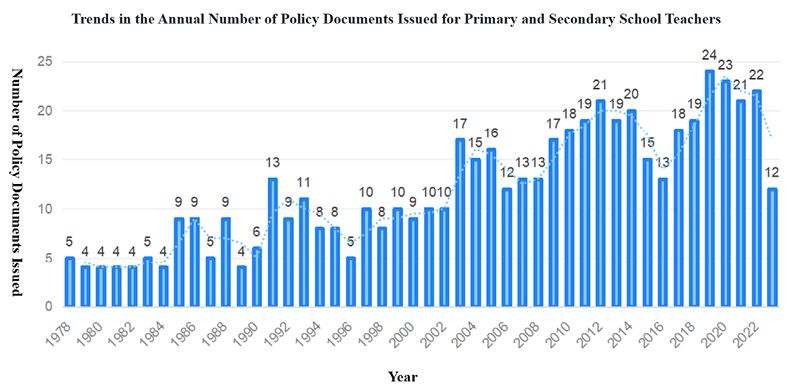
Figure 1 Trend in the Number of Releases of China’s Primary and Secondary Teacher Policies From 1978 to 2023
3.1.1 Divide the Policy Evolution Stage
Figure 1 shows that there were fewer teacher policy texts in general between 1978 and 1992. These texts were characterized by their initial, exploratory, and pioneering nature. The Opinions on the Reorganization and Strengthening of the Management of Teaching Staff in Secondary and Primary Schools of 1983, the Trial Measures for the Examination and Qualification Certificates for Teachers in Secondary and Primary Schools of 1986, and the Opinions on Strengthening and Developing Teacher Training Education all aimed to reorganize and improve teacher training education to produce a sufficient number of high-quality teachers. At this stage, the focus was on elevating the status of teachers, standardizing their salaries, and promoting a culture of respect for them in society. This was exemplified by the establishment of Teachers’ Day in 1984 and the State Council Circular on Raising the Salaries of Primary and Secondary School Teachers in 1987. The relevant documents include the Implementing Measures for Raising the Salary Standards of Teachers in Primary and Secondary Schools of 1988, and the Circular on the Opinions on the Resolution of Housing Problems of Teachers and Staff of Primary and Secondary Schools in Cities during the Eighth Five-Year Plan period of 1992.
In 1993, the State Council of the CPC Central Committee issued the Outline of the Plan for the Reform and Development of Education in China. The plan emphasized the need to strengthen teacher training through teacher replenishment and training. It also called for preferential treatment of teachers in various supportive and motivating ways. These efforts aimed to strengthen the teaching force, improve the quality of teachers, and cultivate outstanding educators to effectively enhance the quality of education (Ministry of Education, 1993).In 1996, the promulgation of the Teachers’ Law of the People’s Republic of China marked the transition of primary and secondary school teachers’ policies from the exploratory stage to the more standardized stage of building a legal system. The State Education Commission issued the Opinions on the Reform and Development of Teacher Training Education at the end of the same year. In 1997, China proposed the active promotion of quality education. The blueprint for China’s education reform and development throughout the century is the focus of teacher policy oriented towards new technologies and the construction of a new era of the teaching force. This also directly points to the overall reform of the teaching force. In 1999, the “Cross-Century Gardener Project” was launched. In 2001, the State Council’s Decision on the Reform and Development of Basic Education stated that “building a high-quality teaching force is the key to the solid promotion of quality education” (State Council, 2001). In China, around the turn of the millennium, a series of policies were implemented to train teachers for the new century. This marked a shift in the training of China’s teaching force from basic universalization and general qualification to comprehensive development and improved standards.
Since 2006, China has issued several documents to support rural, remote, impoverished, border ethnic, and old revolutionary areas. For instance, the Opinions on Vigorously Promoting the Support of Rural Education by Teachers from Towns and Cities (2006) emphasizes work in rural education, optimizing and enhancing the structure and quality of the rural teaching force (Ministry of Education, 2006), and beginning the implementation of the Ad Hoc Positions Plan for Teachers of Compulsory Education Stage Schools in Rural Areas.
In 2018, the Opinions on Comprehensively Deepening the Reform of Teacher Team Construction in the New Era were issued. The first programmatic document issued by the Party Central Committee since the founding of the People’s Republic of China, which is specifically dedicated to the development of the teaching workforce. The document is a programmatic guide to strengthen the construction of the teacher team in the new era and has a milestone significance. In 2018, the Action Plan for the Revitalization of Teacher Education (2018-2022), the Circular of the General Office of the Ministry of Education on the Pilot Work of the Artificial Intelligence-assisted Teacher Team Building Action, and the Opinions on the Implementation of the Excellence in Teacher Training Program 2.0 were issued successively. These initiatives have elevated the construction of China’s teacher team to new heights and opened up a new stage for the comprehensive deployment of teacher team construction.
In summary, this study divides the evolution of China’s primary and secondary school teacher policy into four stages: the exploration and adjustment stage beginning with the restoration of normal education (1978-1992), the rapid evolution stage catalyzed by curriculum and teacher education reforms (1993-2005), the comprehensive development stage aimed at fostering educational balance (2006-2017), and the deepening reform stage focused on achieving high-quality development in the new era (2018-present).
3.1.2 Extract High-frequency Words
The ROST CM software was used to extract and analyze word separation results. The following principles were used to clean the keywords: (1) Elimination of words that do not contribute to the analysis or point to the unknown, such as “seriously”, “according to”, and “units”; (2) Merging words with the same meaning or belonging to the same category; (3) Dividing keyword categories. Table 1 shows the resulting keywords and their frequency in each stage.
Table 1 Frequency of Keywords in Policy Text in Four Stages of Teacher Policy Evolution (Part)
|
Phase |
Keyword Category |
Keywords and Frequency |
|
The Exploration and Adjustment Stage (1978-1992) |
Constant Keywords |
Teachers (2279), Education (1877), Teaching (913), Schools (743), Normal Education (657), Training (567), Primary Schools (485), Further Training (426), Students (386), Cultivation (363), Ideology (347), Learning (324), Condition (312), Development (307), Institutions (367), Construction (300), Politics (289), Reforms (270), Regulations (250), Secondary (250), Level (239), Leadership (233), Administration (201), Qualified (195), Quality (194), In-service (192), Team (189), Management (186) |
|
Particular Keywords |
Private Teachers (309), Socialist (232), Secondary Normal Education (207) |
|
|
Implicit Keywords |
Television (67) |
|
|
The Rapid Evolution Stage (1993-2005) |
Constant Keywords |
Teachers (4068), Education (3884), Training (2145), Teaching (1174), Reform (1067), Development (1009), Construction (933), Schools (881), Normal Education (809), Pupils (509), Systems (507), Administrations (491), Learning (477), Competence (476), Teacher Training (453), Quality Education (452), Colleges (417), Institutions (416), Headmasters (381), Salaries (373), Ideology (359) |
|
Particular Keywords |
Teacher Education (938), Continuing Education (779), Teacher Qualification (703), Rural (533), Modernization (426), New Curriculum Reform (392), Qualifications (345), Recognition (309) |
|
|
Implicit Keywords |
Distance Education (175), Netlink (146), Informatization (144) |
|
|
The Comprehensive Development Stage (2006-2017) |
Constant Keywords |
Teachers (6287), Education (3628), Training (3288), Schools (1472), Teaching (1159), Management (988), Development (974), Reform (866), Construction (847), Teacher Training (803), Cultivation (758), Curriculum (735), Competence (653), Learning (652), Systems (506), Administrations (486), Institutions (478), Teacher Education (484), Technology (455), Compulsory Education (445), Quality (441), Quality Education (392), Research (390) |
|
Particular Keywords |
Rural (2063), Scholarly Training (727), Standards (520), Special Post teachers (514), Practice (442), Service (431), Innovation (410), Talent (400), Exchange (387), Experts (386), National Training Program (386), Colleges and Universities (376), Teacher Team Building (371), Policies (388), Funding (347), Guarantees (339) |
|
|
Implicit Keywords |
Remote (255), Informatization (177) |
|
|
The Deepening Reform Stage (2018- Present) |
Constant Keywords |
Teachers (4363), Education (2399), Training (1307), Teaching (1303), Schools (1086), Development (795), Building (788), Capacity (718), Programs (663), Rural (653), Reform (636), Cultivation (619), Management (602), Learning (580), Resources (516), Teacher Development (481), Students (474), Guarantees (427), Curriculum (420), Technology (417), Improvement (376), Colleges and Universities (363), Programs (359), Normal Education (353), Innovation (342), Levels (325), Training (311), Quality (307), Evaluation (306), Practice (305), Teacher Education (285), Services (277), Principals (274), Institutions (272), Systems (270), National Training (203) |
|
Particular Keywords |
Teacher Ethics (525), New Era (388), Technology Applications (317), Teacher Education (310) |
|
|
Implicit Keywords |
Informatization (167), Artificial Intelligence (135) |
Teacher policies are intricately linked to contemporaneous macro educational policies, where the requisites imposed on teachers are grounded in educational demands, and the expectations for educators necessitate implementation in educational and instructional practices. Constant keywords persist across various stages, exhibiting fluctuations in frequency while maintaining their status as the “common factors” among all pertinent keywords. As depicted in Table 1, key terms including “teacher”, “education”, “teaching”, “school”, “training”, and “curriculum” consistently occupy prominent positions in terms of frequency across each developmental stage. These lexical constants may be deemed enduring themes within the discourse surrounding primary and secondary school teacher policies.
Particular keywords vary at different stages and are characterized by emergence, stage, and instability. These keywords depend on macro-policy changes, and some of them will become constant keywords in the next stage, becoming long-term policy topics for primary and secondary school teachers. It is important to note that when using technical terms, they should be explained when first used. The exploration and adjustment stage was characterized by regulating private education and teachers, emphasizing the socialist nature of education after the reform and opening up, and the predominance of secondary normal education schools in training primary and secondary school teachers. The keywords of the rapid evolution stage indicate that “teacher education” has become a significant category and reform content in education. The state has started prioritizing teachers’ post-service development; hence, “continuing education” and “academic qualification” are crucial keywords in this stage. The terms “teacher qualification” and “recognition” indicate that the teaching profession is undergoing standardized development. The terms “modernization” and “new curriculum” reflect the new direction of teacher development and reform in the new century. The policy objective during the comprehensive development stage is to achieve educational equity and balanced development. The term “rural” has become a frequently used keyword. At the same time, “special post teacher”, “service”, and “exchange” reflect the national policy of supporting and serving the old revolutionary base, minorities, frontier, and barren areas. In addition, this stage emphasizes the construction of a high-quality teaching force. The “National Training Program” has become an essential national policy that continues to be carried out, with colleges and universities assuming significant responsibility for the construction of the teaching force. Colleges and universities are responsible for building teaching staff, with support from the state through policy, talent transfer, and funding. The teacher policy in the deepening reform stage emphasizes meeting the needs of the new era, attaching importance to the construction of teachers’ ethics and style, as well as the training of normal students, especially government-funded normal students, and the application of technology in this stage has become a high-frequency keyword of manifestation.
Educational informatization is an essential engine of educational modernization, as a dark line running through the various stages of the development of primary and secondary teachers’ policies. Implicit keywords refer to words that are essential clues to the development of education modernization because they account for a relatively small percentage of stage documents and thus do not reach the standard of high frequency, but are essential clues to the development of education modernization before and after the development of education modernization. The changes in implicit keywords at different stages indicate a growing emphasis on information elements in the policies for primary and secondary school teachers. Enhancing the information literacy and digital technology capabilities of these teachers and leveraging artificial intelligence to enhance teacher development has become an integral component of national policy.
3.2 Policy Topic Cluster Analysis
According to the word segmentation results obtained by the ROST CM software, the TF-IDF algorithm is used to calculate the high-frequency words in all policy texts at each stage. This process provides both the TF (word frequency) value and the TF-IDF value of each policy. Then, based on their numerical values, the top 20 significant keywords are selected for each policy at each stage. The COOC software(Academic Drips, n.d.) constructs a co-occurrence matrix of keywords at each stage, which is then converted into a suitable format for topic clustering using Vosviewer. In the resulting output, each circular block represents a distinct thematic category.
3.2.1 The Exploration and Adjustment Stage (1978-1992)
Topic cluster diagram of the recovery adjustment stage (1978-1992) is shown in Figure 2.
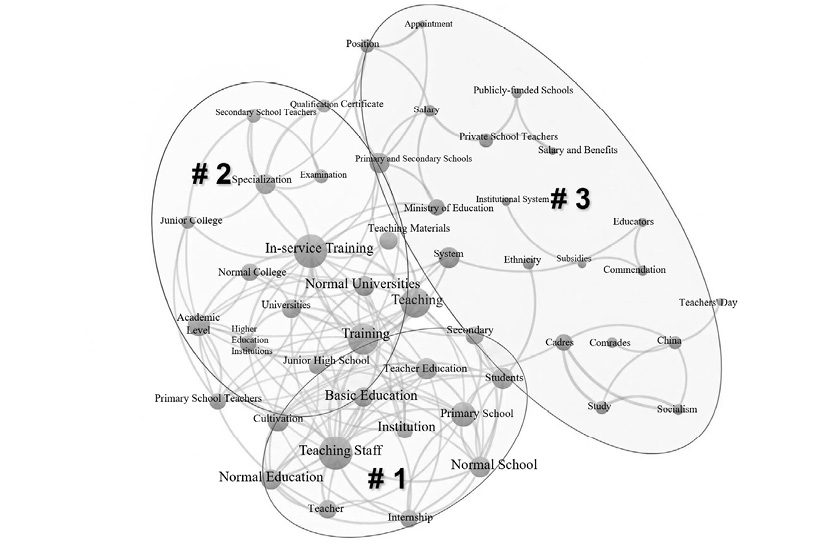
Figure 2 Topic Cluster Diagram of Recovery Adjustment Stage (1978-1992)
Over more than ten years, from 1978 to 1992, the rectification of chaos in the field of education propelled the development of teacher construction. The initiation of China’s teacher policy formulation and exploration can be traced back to January 1978, when the Ministry of Education released its “Opinions on Strengthening the Management of Primary and Secondary School Teachers”. By 1992, a preliminary framework for relevant systems had been established. Figure 2 illustrates that keywords related to policies concerning primary and secondary school teachers during this period (1978-1992) can be categorized into three groups. Based on the distinctive characteristics exhibited by these keyword categories, it is evident that teacher policies at this stage primarily focused on three aspects: “normal education” (#1), “in-service training” (#2), and “teacher status and treatment” (#3). These are the significant accomplishments made in exploring teacher policies during this phase.
(1) Restoring and enhancing normal education. Starting from the Opinions on Strengthening and Developing Normal Education in 1978, China has placed significant emphasis on establishing comprehensive normal education networks, expanding enrollment opportunities, and “striving to ensure that primary and secondary school teachers attain the educational standards equivalent to those of corresponding normal schools within a period of three to five years” (Gu, 1998). The national conference on normal education was convened in 1980, reestablishing China’s third-level cultural model for normal education. The Opinions on Enhancing Secondary Normal Education in 1980, the Training Objectives of Secondary Normal Schools (Preliminary Draft) in 1987, and the Measures for the Administration of Television Normal Education (Trial Implementation) in 1989 were successively promulgated. These policies facilitated the initial enhancement of the normal education system, while the establishment and development of numerous normal colleges and universities supplemented teachers to advance fundamental education.
(2) The establishment of a professional in-service training system for educators. According to Figure 2, the nodes representing “advanced education” and “training” are prominent in size, indicating their high centrality and strong co-occurrence. These keywords reflect the policy’s current focus and are manifested at a specific policy level. In 1980, the Opinions on Further Strengthening In-Service Teacher Training in Primary and Secondary Schools proposed that “in-service teacher training should be adopted as a novel approach to enhance teacher education and instructional competence” (He, 1998), thereby establishing an initial system for in-service training of primary and secondary school teachers. The Opinions on Strengthening the Training of in-service Primary School Teachers in 1983 and the Opinions on the Continuing Education of Primary School Teachers in 1991, along with other relevant documents, further delineated the requirements, tasks, and formats for teacher training. They also proposed specific criteria for training quality to address the issue of teacher competence.
(3) Enhance the professional standing and remuneration of educators. In 1977, Deng Xiaoping emphasized the importance of “valuing knowledge and talents”, and in a speech at the National Education Work Conference in 1978, he even stressed the need to “respect teachers, enhance their social status and remuneration”. The policies introduced in 1979, namely the “Trial Measures on the Allowances for Head Teachers in Ordinary Middle Schools and Primary Schools”, followed by the “Opinions on the Handling of Certain Specific Policy Issues in Adjusting the Salaries of Primary and Secondary School Staff” in 1981, as well as the “Notice on Raising the Salaries of Primary and Secondary School Teachers” in 1987, all exemplify affirmative measures taken to enhance teachers’ status and benefits.
To summarize, the current teacher policy aims to restore the establishment of a comprehensive university student training system, prioritize teacher management and academic achievements, and emphasize improvements in teacher treatment and social status. By the end of 1992, the qualification rate for primary and secondary school teachers in China had reached nearly 80%, demonstrating its rapid effectiveness. The establishment of Teachers’ Day in 1984 and the China Primary and Secondary School Preschool Teachers Award Foundation in 1986 are significant measures to foster a societal atmosphere that respects educators and values education.
3.2.2 The Rapid Evolution Stage (1993-2005)
The topic cluster diagram of the rapid evolution stage (1993-2005) is shown in Figure 3.
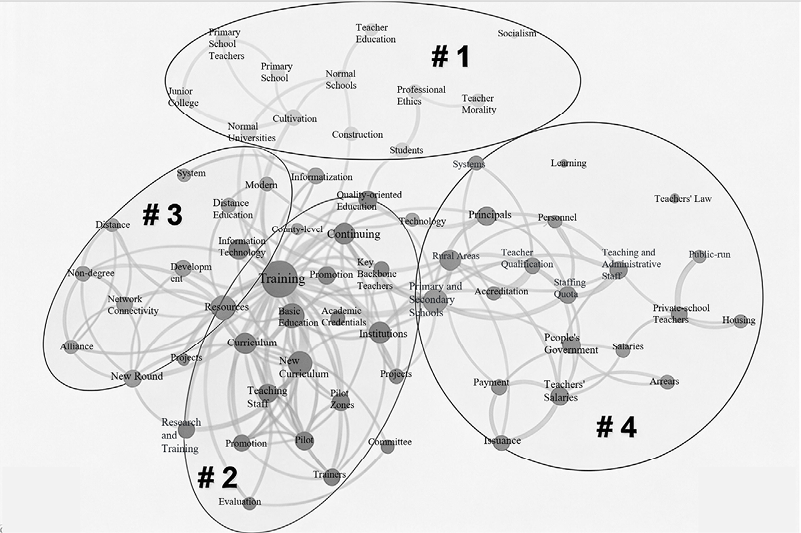
Figure 3 The Topic Cluster Diagram of the Rapid Evolution Stage (1993-2005)
From 1993 to 2005, China’s education underwent a new era of reform characterized by openness, modernization, and adjustment. The Teachers Law of the People’s Republic of China in 1993 and the Education Law of the People’s Republic of China in 1995 gave teachers a solid legal foundation for their work, reflecting the state’s recognition and concern for their profession. Education policies such as the Outline of China’s Education Reform and Development in 1993 and the Action Plan for Revitalizing Education for the 21st Century in 1998 emphasized how modern educational technology and lifelong learning concepts have profoundly impacted education. These policies also showcased China’s grand blueprint for education reform during this cross-century stage while highlighting new opportunities and challenges teacher education faces.
The keywords in this stage, as illustrated in Figure 3, are roughly categorized into four groups. Based on the distinctive characteristics of these keyword categories, the primary focal points of teacher policy during this phase encompass “teacher education” (#1), “curriculum reform and teacher team construction” (#2), “National Teacher Network Association Plan” (#3), and “teacher management and legalization” (#4). These themes effectively reflect the three significant challenges encountered by teachers’ policies at present.
(1) Teacher education reform. The first step is establishing a new theoretical model for teacher education. The 1993 Outline of China’s Education Reform and Development marked a shift towards an inclusive and open approach to teacher training (Yan & Wang, 2018), which transformed the focus from “normal education” to “teacher education”. In 1998, “Some Opinions on Strengthening Regional Experimental Work of Continuing Education for Primary and Secondary School Teachers” proposed the integration of pre-service and post-service training for teachers and the exploration and reform of a new model for continuing education in primary and secondary schools.
(2) Enhanced fundamental education reform and teacher development initiatives. In 2001, the Outline of Basic Education Curriculum Reform (Trial) proposed that “the success of basic education reform hinges on teachers”, which emphasized the need for simultaneous implementation of teacher training alongside the new round of curriculum reform. Therefore, in 2002, the Opinions on the Reform and Development of Teacher Education during the Tenth Five-Year Plan Period highlighted that “teacher education must undergo profound reforms and make significant contributions to the reform and development of basic education”. Furthermore, in 2004, the Guiding Opinions on Further Strengthening Teacher Training in the New Curriculum for Basic Education stressed “developing new curriculum training courses to encourage participation from teachers at all levels in curriculum reform practice to equip them with necessary skills for teaching under this new curriculum”. Simultaneously, it placed great importance on national-level training programs for exemplary teachers who can lead and inspire others to promote fundamental education’s new curriculum and implement quality education.
(3) Teacher management and legal construction. In 1993, the fourth meeting of the Standing Committee of the Eighth National People’s Congress deliberated and passed the “Teachers Law of the People’s Republic of China”, which signifies a significant step towards legalizing and standardizing our country’s teacher team. It also marks the initiation of our nation’s teacher qualification system, which is entering a legalization and standardization phase (Wu, 2002). The “Regulations on Teacher Qualifications” issued in December 1995 established uniform criteria for teachers’ entry requirements, establishing a comprehensive legal and regulatory framework for teacher qualifications. Simultaneously, this stage introduced systematic regulations concerning teachers’ roles, educational employment, and professional ethics, among other aspects.
To summarize, “reform” is the pivotal concept characterizing policy attributes in this stage. Focusing on educational reform and development, the government has formulated cutting-edge, innovative, and continuous policies. Firstly, there is a need to revamp the outdated teacher education system by transitioning from closed to open systems, from monism to pluralism, from pre-service to post-service integration rather than separation, and from qualified ability to quality enhancement. Secondly, the goal of teacher development should shift from merely increasing their numbers and achieving academic qualifications towards adapting to curriculum reforms in fundamental education. This necessitates an overall improvement in teachers’ quality, which is a necessary guarantee for vigorously promoting quality education, enhancing educational standards, and deepening educational reform. Lastly, at this stage, significant progress has been made in establishing the management system framework for primary and secondary school teachers based on counties while simultaneously strengthening teachers’ professional development efforts through various security mechanisms that provide an essential institutional foundation.
3.2.3 The Comprehensive Development Stage (2006-2017)
The topic cluster diagram of the comprehensive development stage (2006-2017) is shown in Figure 4.
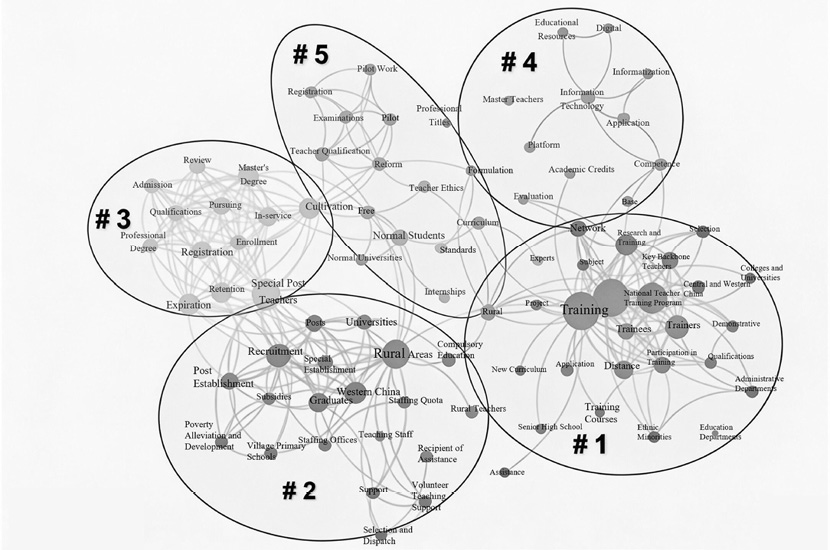
Figure 4 The Topic Cluster Diagram of the Comprehensive Development Stage (2006-2017)
The initial two stages lay a solid foundation for the development of teacher policy in the stage of all-round development: On the one hand, China’s fundamental education has transitioned from basic popularization to comprehensive development and enhancement of quality. On the other hand, China’s teacher policy is gradually moving towards stable progress and profound improvement. The relevant teacher policies are closely interconnected during this stage, reflecting their inheritance and integrity. As depicted in Figure 4, keywords in the stage of comprehensive development can be roughly categorized into five groups. Based on the characteristics of keywords within each category, the primary themes of teacher policy during this stage include “National Training Plan” (#1), “Teacher Balance in Central and Western China as well as Impoverished Rural Areas” (#2), “Special Post Teacher and Master Teacher Plan” (#3), “Enhancement of Teachers’ Information Technology Application Abilities” (#4), and “Policy for Free Normal College Students” (#5). These themes can be further consolidated into three main objectives: achieving a balanced development of compulsory education, implementing comprehensive reforms in teacher education, and enhancing teachers’ competencies and standards.
(1) Achieving a balanced development of compulsory education. In 2006, the Ministry of Education successively issued the Notice on the Implementation of the Special Post Plan for Teachers in Rural Compulsory Education Schools (the “Special Post Plan”), the Notice on the Recommendation of the “Master Teacher Training Plan for Rural Schools” (the “Master Teacher Plan”), and other relevant documents, including the Notice on Organizing and Implementing National Distance Training for Teachers in Western Rural Areas during Summer Holidays. Integrating the “Special Post Program” and the “Master Teacher Program” effectively addresses the teacher shortage and enhances educational quality in rural areas, particularly western regions. The implementation of the Ministry of Education’s policy to provide free education for regular college students in 2007, combined with the issuance of the Opinions on Promoting Principal and Teacher Exchange and Rotation in compulsory education schools in counties (districts) in 2014, has played a crucial role in enhancing and balancing teacher allocation in disadvantaged areas. In 2015, the General Office of the State Council released the Rural Teachers Support Plan (2015-2020) to comprehensively strengthen rural teacher development and bridge the urban-rural teacher gap. At the same time, emphasis is placed on improving living conditions for teachers working in impoverished regions. For example, the Notice on Implementing Living Subsidies for Teachers Working in Contiguously Poor Areas issued by the Ministry of Education states that “caring for rural teachers holds great significance towards enhancing rural education quality, stabilizing rural teaching staff, and attracting exceptional talents”. In summary, formulating diverse policies to balance compulsory education teacher allocation and promote equitable development within this sector is a significant objective within national macro educational policies.
(2) Implementing comprehensive reforms in teacher education. Officially launched in 2010, the “National Training Plan for Primary and Secondary School Teachers” (referred to as the “National Training Plan”) has made unprecedented investments in human, material, and financial resources (Zhang et al., 2013) to strengthen the construction of primary and secondary school teachers, particularly those in rural areas. In 2011, the Ministry of Education proposed the “Opinions on vigorously strengthening the training of primary and secondary school teachers”, which emphasized improving the training system by strategically planning for urban and rural teachers, innovating training modes and mechanisms, enhancing training pertinence and effectiveness, as well as improving training quality. In 2012, the Curriculum Standards of the “National Training Plan” (Trial) also addressed different class levels’ teacher abilities and professional development needs while guiding its implementation across various fields (Cheng & Ma, 2018), which provided a crucial foundation for enhancing teacher education quality. The Ministry of Education’s Opinions on Implementing an Excellent Teacher Training Plan, issued in 2014, further stressed establishing a new mechanism for collaborative education among local governments, universities, primary schools, and secondary schools. With continuous progress in national training plan development alongside a focus on cultivating innovative, excellent teachers at its core, teacher training and development are gradually moving towards institutionalization, integration, and high-quality standards.
(3) Enhanced development and implementation of teacher competencies and standards. To enhance the curriculum construction and teacher education training, including the “National Training Plan”, the Ministry of Education has issued trial versions of Professional Standards for Primary School Teachers, Professional Standards for Middle School Teachers, and Standards for Information Technology Application Ability of Primary and Secondary School Teachers. These standards establish fundamental requirements for the professional level and competence of primary and secondary school teachers. Standardized procedures regarding teacher training, qualification assessment, access criteria, and ongoing education have been implemented to advance their professional development further and foster sustainable growth in the teaching industry. In 2013, the Ministry of Education initiated a national project to improve information technology application abilities among primary and secondary school teachers to promote educational informatization and integrate innovative approaches in information technology with teaching practices.
To summarize, at this stage, the policy has started prioritizing teachers in rural and western areas, providing significant support for developing rural teachers and the balanced growth of compulsory education. On the other hand, while promoting equitable progress, it emphasizes enhancing quality by intensifying training efforts, establishing a standardized system for teacher competence assessment, and advocating for the mobility of outstanding urban educators and high-quality educational resources to rural and remote regions nationwide. This vigorous approach effectively fosters sustainable and sound development within China’s teaching and education sectors (Wang, 2014).
3.2.4 The Deepening Reform Stage (2018-Present)
The topic cluster diagram of the deepening reform stage (2018-Present) is shown in Figure 5.
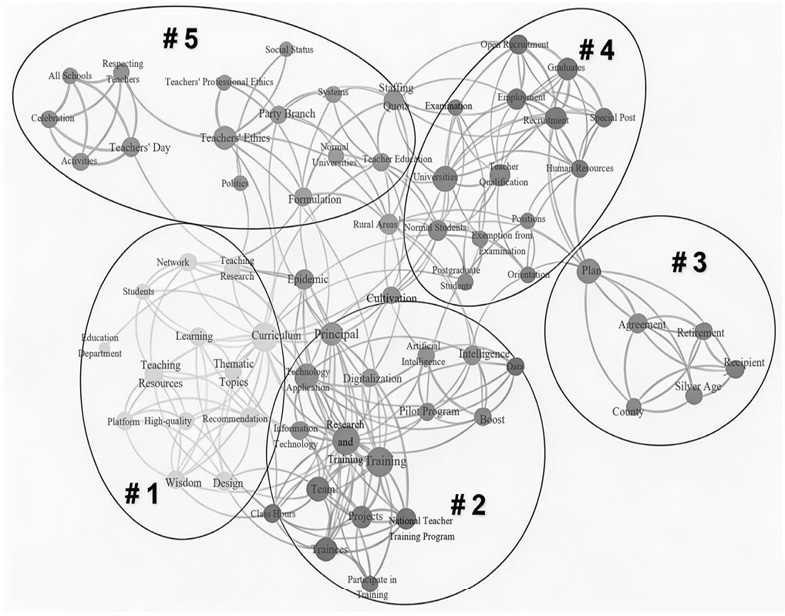
Figure 5 The Topic Cluster Diagram of the Deepening Reform Stage (2018-Present)
With the advancement of The Times, China’s education has entered a stage of high-quality development. To align education with the requirements of the Party and the state’s development, as well as match its comprehensive national strength and international status, teachers have been recognized as “the foremost resource for educational progress” (Ministry of Education, 2018). Consequently, an unprecedented focus has been on cultivating high-quality educators and establishing a modern teacher education system. In 2018, to implement the Action Plan for Revitalizing Teacher Education (2018-2022) and comprehensively enhance the Excellent Teacher Training Program, the Ministry of Education issued the Opinions on Implementing Version 2.0 of this program. Furthermore, in 2021, within the framework of “the 14th Five-Year Plan and Vision Goals by 2035”, it was emphasized that we should establish a top-tier modern teacher education system while comprehensively improving policies related to ethical conduct, teaching style, management practices, and professional growth.
The keywords in the stage of deepening reform (from 2018 to now) are categorized into five groups, as illustrated in Figure 5. Based on the distinctive characteristics of each category, the primary focal points of teacher policy during this period encompassed “curriculum resource development” (#1), “empowering teachers through technology for research and training” (#2), “supporting senior educators” (#3), “training and employment opportunities for students from normal universities” (#4), and “promoting teacher respect, emphasizing teaching quality, and fostering ethical conduct among educators” (#5). These themes effectively encapsulated the three fundamental objectives of teacher policy within this particular phase.
(1) High-quality professional development of teachers. The theme encompasses explicitly four aspects: firstly, the construction of teachers’ ethics. In 2018, the Opinions of the Central Committee of the Communist Party of China and the State Council on Comprehensively Deepening the Reform of Teacher Construction in the New Era emphasized “cultivating teachers’ ethics” as a fundamental principle. They highlighted the need to enhance long-term mechanisms for the construction of teacher ethics. Documents such as the Measures for Handling Violations of Professional Ethics by Primary and Secondary School Teachers (Revised in 2018) and the Opinions on Strengthening and Improving Teacher Ethics Construction in the New Era (2019) aim to standardize professional ethics among teachers. Secondly, there is a focus on reforming normal university student training. In 2018, the Ministry of Education changed “free normal students” to “publicly-funded normal students” and introduced comprehensive provisions regarding selection criteria, admission procedures, teaching performance evaluation, and incentive measures. This aims to attract high-quality talents into teaching positions while concentrating high-quality resources for training. It is an essential policy measure for constructing high-quality teachers and promoting balanced development within compulsory education. Thirdly, the state has issued a series of policy documents since 2019, focusing on alleviating the workload of primary and secondary school teachers. These policies aim to create an optimal environment for education and teaching, establish disciplinary rules in the field of education, and ensure that teachers have sufficient resources and support to work comfortably and concentrate on their educational responsibilities. Additionally, various programs are being implemented to promote the development of high-quality educators. The “New Era Basic Education Strong Teachers Plan” in 2022, the “New Era Famous Teachers and Principals Training Plan for Primary and Secondary Schools (2022-2025)”, as well as the “National Excellent Primary and Secondary School Teachers Training Plan” in 2023 (National Excellent Plan), all strive to provide exceptional teachers for primary and secondary schools.
(2) Balanced allocation and equitable development of teachers. Implementing the “Silver Age Lecture Program” in 2018 has played a pivotal role in enhancing the competence of rural educators and addressing the challenges they face. In 2021, the “Targeted Training Plan for Excellent Teachers in Underdeveloped Regions of Central and Western China” will enhance the quality of primary and secondary school teachers at their roots, thereby fostering educational development in these regions. In 2022, China initiated a coordinated plan to enhance the quality of normal education and establish collaboration between prestigious normal universities and underdeveloped normal colleges in central and western regions. This collaborative effort aims to cultivate highly competent educators for fundamental education in these less-developed areas. The measures above have laid a solid foundation for achieving equitable distribution of teachers and promoting fair progress in education.
(3) The development of technologically empowered teachers. Firstly, the Action Plan for Revitalizing Teacher Education (2018-2022) proposes initiating and implementing an online open course construction plan for teacher education, along with the execution of the New Cycle of Information Technology Application Ability Improvement project for primary and secondary school teachers. These initiatives aim to enhance teachers’ adaptability in response to educational informatization development while providing high-quality online training resources. Secondly, the 2018 Opinions on Comprehensively Deepening the Reform of Teacher Team Construction in the New Era emphasized that teachers should actively adapt to new technological advancements, such as information technology and artificial intelligence, and effectively engage in education and teaching. In line with this objective, the Ministry of Education has selected pilot programs to implement artificial intelligence initiatives to enhance teacher team construction, explore innovative approaches to teacher education reform, and facilitate professional development through technology.
To summarize, the current policy reflects the characteristics of “improvement and deepening”. On the one hand, there is a continued emphasis on promoting balanced development in education through top-level design to optimize teacher resource allocation and enhance overall teaching quality. On the other hand, this stage elevates teachers’ ethics to an unprecedented level by emphasizing strict regulations and positive advocacy. It also highlights improving teachers’ material benefits and professional reputation to enhance their social status. Additionally, under the trend of educational informatization, the profound integration of technologies such as artificial intelligence poses challenges for teachers. At this stage, keywords like digitalization and artificial intelligence have become closely associated with teacher research and training.
4 Research Conclusion
The following characteristics of China’s primary and secondary school policies since the reform and opening up can be inferred based on the research above analysis.
4.1 Teachers’ Policies are Gradually Shifting Towards Systematization and Legalization in Response to the Development of the Times
Policy formulation responds to development and change, reflecting inheritance and progress’s interconnected and continuous nature. Policies do not exist in isolation but should be aligned with the current trends, particularly in education, to ensure their effectiveness. China’s primary and secondary school teachers’ policy system exhibits evident systematic characteristics as it constantly adjusts and transforms to adapt to the changing educational landscape. It sets clear objectives for policy formulation and release, ensuring comprehensive measures for implementation, public awareness, interpretation, and effective dissemination. China has established a relatively well-structured long-term mechanism that significantly enhances teacher management reforms.
Over the past 45 years, comprehensive policies have encompassed nearly all stages and facets of primary and secondary school teachers’ careers, addressing teacher development and the holistic advancement of urban and rural areas and progressively shifting towards law-based educational administration and institutional safeguards. The introduction of an extensive array of teacher management policies and legal frameworks as a supportive policy mechanism underscores the need for scientific, standardized, and professional teacher management practices to establish China’s robust teacher policy system while ensuring policy implementation through legal means, thereby promoting standardization and legalization.
4.2 Cultivating Moral Values Remains at the Heart of Teacher Development, Encompassing Training and Research
From a comprehensive policy perspective, establishing our country’s teacher training system is an ongoing process of continuous exploration and gradual improvement. In terms of policy development, the original “secondary normal education” gradually faded from public attention after the implementation of the “Several Opinions on the Adjustment of the Layout Structure of Normal Colleges” in 1999 (Yan & Wang, 2018). Subsequently, “teacher education”, which encompasses pre-service training, induction education, and in-service training, began to thrive. This transition has transformed China’s teacher education system from independent and closed to open and flexible, formally establishing an orientation towards open and integrated teacher education. However, this excessively available training system has brought forth new challenges for teacher education: marginalization within the field, resource oversaturation or “bubbles”, and homogenization in teacher training (Kong, 2019), all hindering improvements in teaching quality. Consequently, starting from 2006 onwards, national policies have actively adjusted and implemented special rectifications by issuing documents such as the “Notice on Standardizing Teacher Training in Primary Schools and Kindergartens” as well as the “Implementation Measures for Free Education for Students Enrolled at Normal Universities Directly under the Ministry of Education (Trial)”. These measures reinstated free education for students enrolled at normal universities and ensured high-quality teacher training. In 2019, the Central Committee of the Communist Party of China and the State Council issued China’s Education Modernization 2035, which proposed the imperative to establish a team of high-quality, professional, and innovative educators. This initiative primarily focuses on enhancing teachers’ comprehensive competencies and ensuring sustainable professional growth. Teacher professional development encompasses subject knowledge and pedagogical skills, ethical conduct, ideological awareness, political acumen, and emotional intelligence. Over the past decade, teacher education has gradually evolved from mere training to encompass cultivation, research, and mentoring approaches that prioritize humanistic care while aiming to foster teachers’ independent and enduring development.
In the continuous adjustment and development of the teacher training system, teacher ethics education has been consistently integrated throughout and has gained increased emphasis in recent years. From the 1993 Outline of China’s Education Reform and Development to the Code of Professional Ethics for Primary and Secondary School Teachers, which has undergone four revisions, all underscore the significance of fostering a morally upright teaching community to inspire teachers to “establish lofty professional ideals, regulate their thoughts and behaviors, and become educators who meet societal expectations”. The first goal and task of the Action Plan for Revitalizing Teacher Education (2018-2022), issued in 2018, emphasizes implementing new requirements for teacher ethics education, highlighting the cultivation of teacher ethics as the primary focus and critical component of teacher education. The Opinions on Strengthening and Improving the Construction of Teachers’ Ethics in the New Era, released in 2019, also emphasize the need to “promote long-term and institutionalized development of teachers’ ethics”. These documents demonstrate that both the country and society place great importance on, as well as demand, moral education for teachers. Teacher ethics serves as a fundamental prerequisite for individuals entering into the teaching profession, with ethical standards being an inherent requirement within this field (Wang, 2013). It represents a core aspect of teacher training.
4.3 The Pursuit of Educational Equity Has Prompted a Growing Emphasis on the Cultivation of High-quality and Well-balanced Teachers
Through an in-depth analysis of policy documents, it becomes apparent that the focus on teacher team development varies at different stages based on educational requirements, societal advancements, and prior task accomplishments. In restoring normal education operations after disruptions or crises occur, significant attention is given to establishing regular schools and ensuring that teachers possess sufficient academic qualifications. Subsequently, efforts are made towards launching continuous education initiatives aimed at enhancing teachers’ overall capabilities and their proficiency in information technology usage, while simultaneously developing a nationwide training system for primary and secondary school educators that emphasizes both urban-rural integration aspects as well as exemplary teacher training programs along, with further strengthening management systems for teacher teams. Such an approach vigorously promotes cultivating exceptional instructors while optimizing teaching quality. The developmental orientation of teachers has shifted from prioritizing efficiency to emphasizing fairness, with goals transitioning from competence to high-quality professional innovation.
On the one hand, the state’s requirements for teacher quality continue to advance, focusing on attracting top-tier talent to the teaching profession and cultivating exemplary educators, including backbone teachers, expert instructors, exceptional principals, and high-quality leadership teams. Simultaneously, efforts are being made to deepen the implementation of various teacher education policies to enhance teachers’ capabilities and foster outstanding educators (Hao, 2014), who can integrate industry-specific knowledge with disciplinary expertise while combining educational theory with practical teaching experience. These endeavors aim to establish a forward-thinking teaching team that aligns with societal development and academic planning.
On the other hand, the implementation of initiatives such as the “special post plan”, “Master teacher plan”, and the Three Districts Talent Support Plan for teachers has made significant contributions to addressing the overall shortage of teachers in rural schools, tackling structural issues, and enhancing the professional competence of rural educators. In 2018, the “13th Five-Year Plan for National Education Development” emphasized prioritizing efforts to explore and promote innovative teaching and research models like the “three classrooms” while expediting access to high-quality educational resources in rural, remote, impoverished, and minority areas. This approach effectively facilitated advancements in rural teacher development and overall progress in rural education.
4.4 Protect the Status of Teachers so that Teachers Can Feel at Ease Teaching and Enjoy Teaching
As early as 1977, Deng Xiaoping emphasized the significance of upholding teacher respect and valuing education. This value orientation is also more prominently reflected in China’s policy towards primary and secondary school teachers. The means of ensuring the status of teachers in our country have evolved from material security to spiritual care, from initially emphasizing timely wage payment to enhancing the working, learning, and living conditions for teachers. In the medium term, we will increase living allowances for rural teachers, improve mechanisms guaranteeing benefits for primary and secondary school teachers, recognize exemplary educators, and designate distinguished grade instructors. In later stages, political status, social standing, and professional recognition of teachers are assured while comprehensively elevating their status and treatment so that they can teach with peace of mind.
In recent years, the National Teachers Volunteer Service Alliance and the China Teachers Development Foundation have organized numerous public welfare and volunteer service activities. These initiatives have effectively disseminated the image of exemplary teachers in the new era to all segments of society by encouraging their active participation in volunteer service and enhancing recognition for their ethical conduct. The noble morality and outstanding achievements of many exceptional teachers have been widely promoted, reinforcing the special significance attributed to educators through fostering an environment that values education and respects teachers. Consequently, this has enabled most teachers to enjoy a well-deserved social reputation. Simultaneously, efforts are continuously made to increase commendations for teachers, particularly benefiting those working in rural areas. Furthermore, preferential policies for primary and secondary school teachers are implemented to safeguard their professional dignity as well as legitimate rights and interests. All these endeavors aim at truly establishing teaching as an “enviable profession”.
4.5 The Digital Transformation of Teachers Has Become an Integral Component of Educational Modernization, Facilitated by Advanced Intelligent Technology
Since 1978, technology has emerged in the education system. From the last century’s recording, radio, television, and slide shows to today’s artificial intelligence and 5G technology, etc., there has been a continuous emphasis on utilizing modern means in teacher training, development, and management. Technology has always played a pivotal role in enabling the construction of teachers. With the ongoing promotion of the education informatization policy, we have entered a new stage of digital transformation. In the past, informatization focused on data management to standardize and efficiently manage the education system and its elements. At the same time, digital transformation upgrades the overall system engineering of education informatization, which aims to accelerate the realization of education modernization. It is “to promote education organizations to change the teaching paradigm, organizational structure, teaching process, evaluation methods, and other all-round innovation and change” (Zhu & Hu, 2022); the digital transformation of the teacher team will inevitably become a key factor affecting the overall digital transformation and upgrading of education.
The policy level has consistently emphasized the importance of information technology application skills as a fundamental competency for primary and secondary school teachers, with significant efforts invested in training and standardization. Additionally, there has been continuous supplementation of high-quality network resources, regular conducting of teachers’ network research and training on the national smart education platform, and ongoing promotion of artificial intelligence as a pilot unit for teacher development. These initiatives aim to support teachers’ lifelong learning through information technology. Presently, advancing the digital transformation in teacher development is regarded as a crucial national policy objective, specifically focusing on “developing and implementing a digital action plan for teacher development” (Ministry of Education, 2023). It can be anticipated that intelligent technology will further empower teachers by enhancing their abilities in human-computer coordination, facilitating the construction of generative artificial intelligence-supported network research resources, and promoting adaptive development in teacher research methods - ultimately driving educational modernization.
5 Epilogue
The national policy is a crucial guiding principle and fundamental assurance for advancing teachers’ careers. The development trajectory of our primary and secondary school teachers’ policy is a dynamic process driven by scientific approaches, standardization, and progress in line with the national education development strategy. It effectively leads us forward through educational policies and an enabling environment.
With the advent of the intelligent age, education is transforming the teaching and learning culture. Consequently, educators are confronted with a new era, an altered landscape, and unprecedented challenges that necessitate their continuous acquisition of knowledge, skills, and competencies to meet the demands of contemporary society. To facilitate this process effectively, the government proactively drives and guides teachers’ professional development through the timely implementation of national educational policies.
Teachers are the most crucial educational asset. The “China Education Modernization 2035” report in February 2019 emphasized that high-quality, professional, and innovative teachers are vital in accelerating education modernization (Ren, 2019). Teacher modernization is an essential aspect of education modernization (Xiang, 2017). Furthermore, the “14th Five-Year Plan” and the Outline of the 2035 Vision Goals released in March 2021 highlighted the importance of constructing a high-quality education system, particularly in building a team of highly skilled professional teachers. Teachers are pivotal in achieving educational modernization and driving educational reform. Consequently, the progress toward modernization of education will inevitably lead to further development and continuous updates to China’s teacher policies.
References
[1] Ministry of Education. (2021). Statistical bulletin of the development of national education in 2022. (2023-07-06). http://www.moe.gov.cn/jyb_xwfb/s5147/202307/t20230706_1067452.html.
[2] Department of Teachers’ Work, Ministry of Education. (2019, September 11). Keep education to serve the country’s “original heart”, build dreams and educate people “mission”. China Teachers’ Newspaper, p. 4.
[3] Lu, Z. (2016). “Policy and strategy are the life of the Party” — Mao Zedong’s exploration of relevant issues in 1948. Literature of the Chinese Communist Party, (3), 52-62.
[4] Sun, Q. L. (1992). The demarcation of high- and low-frequency terms and ways of estimating the frequency of terms. Journal of Library Science in China, (2), 78-81, 95-96.
[5] Zhong, Z. X., Zeng, R., & Zhang, X. M. (2017). A study on the evolution of the policy of ICT in education in China (1989–2016). e-Education Research, 38(9), 14-23.
[6] Ministry of Education. (1993). Outline of China’s educational reform and development: Zhongfa (1993) 3. (2021-09-01). http://www.moe.gov.cn/jyb_sjzl/moe_177/tnull_2484.html.
[7] State Council. (2001). Decision of the State Council on the reform and development of basic education. Ethnic Education in China, (4), 4-9.
[8] Ministry of Education. (2006, April 6). Guan Peijun, Director of the Department of Normal Education, talked about vigorously promoting urban teachers to support rural education. (2020-07-20). http://www.moe.gov.cn/jyb_xwfb/xw_ft/moe_47/s3574/201004/t20100416_83086.html.
[9] Academic Drips. (n.d.). COOCa software for bibliometric and knowledge mapping. [Computer software]. (2023-10-21). https://gitee.com/academic_2088904822/academic-drip.
[10] Gu, M. Y. (1998). Great dictionary of education. Shanghai: Shanghai Educational Publishing House.
[11] He, D. C. (1998). Important educational documents of the People’s Republic of China (1976-1990) (p. 2372). HhaiKou: Hainan Publishing House.
[12] Yan, J. Z., & Wang, C. F. (2018). Analysis of the policy of teacher education in China over the past 40 years of reform and opening up. Teacher Education Research, 30(5), 7-13.
[13] Wu, Q. H. (2002). The legalization of China’s teacher qualifications system. Contemporary China History Studies, (1), 93-100.
[14] Zhang, H., Wang, Y. J., & Hong, Y. L. (2013). Training needs analysis and practice view of the national teacher training program. Teacher Education Research, 25(4), 26-31.
[15] Cheng, M. X., & Ma, Y. P. (2018). An examination of the vision, transformations, and distinguishing features of the “National Training Program” from a public policy perspective. The Inservice Education and Training of School Teachers, (8), 1-5.
[16] Wang, F. M. (2014). Ecological analysis of teacher professional standards. Teaching & Administration, (11), 5-7.
[17] Ministry of Education. (2018). Opinions of the CPC Central Committee and the State Council on comprehensively advancing the reform of teacher development in the new era. (2019-12-20). http://www.moe.gov.cn/jyb_xwfb/moe_1946/fj_2018/201801/t20180131_326148.html.
[18] Kong, B. G. (2019). The policy evolution of China’s teacher training system towards opening and enlightenment. Theory and Practice of Education, 39(2), 37-39.
[19] Wang, K. (2013). The three trends in the development of the concept of teacher ethics in recent years. Journal of the Chinese Society of Education, (1), 49-52.
[20] Hao, W. W. (2014). On the necessity and scientific nature of the transformation from normal education to teacher education. Educational Research, 35(3), 127-131.
[21] Zhu, Z. T., & Hu, J. (2022). Exploring the essence of digital transformation in education and its research prospects. China Educational Technology, (4), 1-8, 25.
[22] Ministry of Education. (2023, August 31). The teacher education system, with distinct Chinese characteristics, has transitioned into a new phase. (2023-11-16). http://www.moe.gov.cn/jyb_xwfb/xw_zt/moe_357/2023/2023_zt14/mtbd/202309/t20230907_1078758.html.
[23] Ren, Y. Q. (2019, March 15). Speed up the modernization of the teaching staff. Study Times, p. 6.
[24] Xiang, X. M. (2017). Four levels of teacher modernization. Teacher’s Journal, 20, 20-23.