Current Views: 32371
 Current Downloads: 21582
Guide to Education Innovation
ISSN Print:2789-0732
ISSN Online:2789-0740
Contact Editorial Office



Subscribe to the latest published information from SCISCAN
The Impact of Sharing Travel Experiences on Educators’ Sense of Meaning in Life and Job Creativity


-
Information:
1. Research Center for the Educational Development of Minorities, Northwest Normal University, Lanzhou;
2. College of Educational Sciences, Northwest Normal University, Lanzhou
-
Keywords:
Educators; Sharing travel experiences; Sense of meaning in life; Job creativity
- Abstract: In the era of social media, sharing travel experiences on social platforms post-trip has become a common practice, from which people derive significant well-being. However, existing research has not yet explored the potential positive effects of sharing travel experiences on educators’ sense of meaning in life and job creativity. Grounded in the post-travel phase and focusing on the specific context of educators, this study investigates the core research question: how value-oriented versus operation-oriented sharing of travel experiences influences educators’ post-travel sense of meaning in life and job creativity. Data analysis from questionnaire surveys indicates that, compared to operation-oriented sharing, value-oriented sharing of travel experiences more effectively enhances educators’ post-travel sense of meaning in life and significantly boosts their job creativity. The findings of this study provide important theoretical guidance and practical pathways for enhancing educators’ sense of meaning in life and job creativity following travel in real-world settings.
- DOI: 10.35534/gei.0602015
- Cite: Su, S. Q. (2026). The Impact of Sharing Travel Experiences on Educators’ Sense of Meaning in Life and Job Creativity. Guide to Education Innovation, 6(2), 173-185.
1 Introduction
In the era of social media, social platforms have become a core arena for individuals to browse and share life experiences. Travel experience sharing, with its unique visual appeal and affective nature, has emerged as one of the most prevalent content types on these platforms (Oliveira et al., 2020). Travel activities can break the dual constraints of routine work and daily life, offering individuals unique experiences of escaping the ordinary and exploring the unknown (Sarial-Abi et al., 2020). This fosters a strong willingness to share among tourists — in reality, it is common to see people sharing travel stories on social platforms using devices like smartphones and tablets upon their return. This widespread social phenomenon has garnered extensive scholarly attention, yet existing research still exhibits notable limitations. On the one hand, most studies treat travel experience sharing as a homogeneous behavior, paying insufficient attention to the heterogeneity of its content (Ring et al., 2016). On the other hand, existing research predominantly focuses on the hedonic function of sharing, confirming that value-oriented sharing (emphasizing the reflection and articulation of deeper meaning) compared to operation-oriented sharing (focusing on descriptions of specific scenes like beautiful landscapes and cuisine) can enhance individual well-being by promoting self-development (Tang & Su, 2024). However, this heterogeneous impact has not yet been extended to the domain of work life, and there is a particular lack of targeted research on specific professional groups.
Educators, as a distinct professional group tasked with the tripartite mission of knowledge production, talent cultivation, and social service, operate within a highly demanding occupational context. Their work is characterized by both creativity and autonomy, necessitating the continuous maintenance of academic innovation and pedagogical renewal. Simultaneously, they face multiple challenges, including heavy teaching loads and career development anxieties, which can easily lead to professional burnout and a diminished sense of meaning (Ahmad et al., 2024). Sense of meaning in life, defined as an individual’s cognition and experience of their own existential value and life goals, serves as a core psychological resource for educators to cope with occupational stress and sustain professional passion (Yildirim et al., 2024; Costin & Vignoles, 2020). Job creativity, which directly relates to the enhancement of teaching quality and the effectiveness of talent development, constitutes a core competency for educators’ career progression (Brauer et al., 2025). Together, these two elements form critical dimensions of educators’ occupational well-being and development, yet the pathways to enhance them require further exploration.
Existing research has confirmed the positive after-effects of travel activities: travel can broaden horizons and alleviate work stress. Furthermore, based on the travel-work enrichment theory, travel frequency is positively correlated with individual self-development and job creativity (Tang & Su, 2022), indicating that the psychological effects of travel experiences can spill over into the work domain. Notably, however, current studies predominantly focus on the impact of the travel activity itself, often overlooking the crucial element of “sharing”. As a significant post-travel behavior, the sharing of travel experiences may further influence an individual’s sense of meaning in life and job creativity by reinforcing the psychological perception of the travel experience. For educators, could the sharing of travel experiences exert differential impacts based on content heterogeneity (value-oriented vs. operation-oriented)? Could the sense of meaning in life and job creativity, as parallel core outcome variables, be synergistically affected by travel experience sharing? The answers to these questions remain unclear.
From a theoretical perspective, the Conservation of Resources (COR) Theory (Hobfoll, 1989) posits that an individual’s psychological and behavioral development relies on the acquisition and accumulation of resources. Positive experiences and behaviors can help individuals replenish psychological resources and mitigate resource depletion. The travel experience itself constitutes a significant positive resource. Sharing behaviors, particularly value-oriented sharing, can further transform travel experiences into sustainable psychological resources through processes such as deep reflection on travel insights and enhanced self-awareness (Su et al., 2021). This provides support for the construction of a sense of meaning in life and the stimulation of job creativity. Meanwhile, Transformative Learning Theory (Mezirow, 1978; Jakubowski, 2003) emphasizes that individuals can achieve transformation in cognitive structures and self-development through the reflection and reconstruction of experiences. Value-oriented sharing of travel experiences is essentially a process of deep reflection on and meaning extraction from travel experiences. This process aligns with the core logic of transformative learning, aiding educators in transferring new perspectives and insights gained during travel to their work and daily lives, thereby promoting an enhanced sense of meaning in life and the stimulation of creative thinking.
In light of this, grounded in the occupational specificity and developmental needs of the educator population, and supported by the Conservation of Resources Theory and Transformative Learning Theory as its core theoretical foundation, this study focuses on the content heterogeneity of travel experience sharing. It systematically investigates the differential impacts of value-oriented versus operation-oriented travel experience sharing on educators’ sense of meaning in life and job creativity, along with their underlying mechanisms. This research not only addresses gaps in existing literature concerning the targeting of specific professional groups and the expansion of outcome variables but also provides a theoretical basis and practical pathways for enhancing the psychological well-being and professional efficacy of educators. The proposed research model and hypotheses is seen in Figure 1.
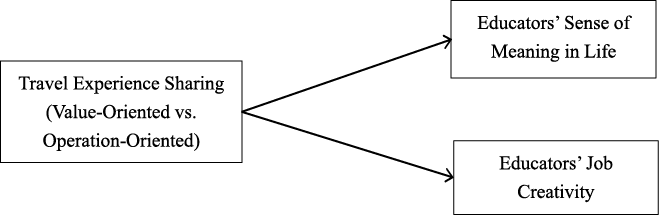
Figure 1 Proposed Research Model and Hypotheses
2 Literature Review and Research Hypotheses
2.1 Sharing Travel Experiences and Educators’ Sense of Meaning in Life
Sense of meaning in life refers to an individual’s stable cognitive appraisal and profound experience of their own existential value and life goals. It serves as a core psychological resource for maintaining psychological resilience and coping with adversity (Costin & Vignoles, 2020; Steger et al., 2006). For educators, who bear the tripartite mission of knowledge production, talent cultivation, and social service, a sense of meaning in life holds particular significance. As teachers, their sense of meaning directly determines their teaching passion and commitment to nurturing students. As researchers, it is fundamental to their scholarly perseverance and drive for innovation. It plays a crucial role in alleviating the pressure from quantitative evaluation systems and counteracting professional burnout (Ahmad et al., 2024). However, rigid performance assessment constraints and the continuous burden of teaching tasks often lead educators into a cognitive dilemma of “prioritizing output over meaning”. A deficiency in the sense of meaning in life has consequently become a prominent issue affecting their sustainable professional development (Brandisauskiene et al., 2020).
Sharing travel experiences provides a vital pathway for constructing and enhancing educators’ sense of meaning in life. Travel activities themselves can disrupt the monotony of the professional environment, exposing educators to diverse cultures and lifestyles, thereby accumulating heterogeneous experiences. The act of sharing then transforms this “latent experience” into “meaningful resources”. During the process of organizing, refining travel experiences, and interacting with others, educators actively integrate their travel encounters with their own educational philosophies and life beliefs, thereby deepening their understanding of “self-worth”, “work significance”, and “life goals”. This process aligns precisely with the core logic of Transformative Learning Theory (Mezirow, 1978): through critical reflection on experience, one breaks down pre-existing cognitive frameworks, reconstructs the understanding of the meaning of people, events, and objects, and ultimately achieves self-development and meaning construction. Existing research confirms that reflecting on and sharing travel experiences can trigger deep self-dialogue, aiding individuals in gaining insights into the meaning of life (Tang & Su, 2024).
Different types of travel experience sharing have significantly varying effects on enhancing the sense of meaning in life, which is directly related to the depth of reflection during the sharing process. Operation-oriented sharing focuses on organizing concrete information such as scenic views, cuisine, and itinerary tips, with reflection often remaining at the level of “experience recollection”, making it difficult to trigger deep cognitive restructuring. In contrast, value-oriented sharing requires educators to delve into the underlying value of their travel experiences, contemplating how the journey informs their career choices, educational practices, and even life pursuits (Tang & Su, 2024). This type of reflection is characterized by its “critical” and “constructive” nature, comprehensively covering the entire chain of “experience reconstruction – cognitive transformation – self-development” outlined in Transformative Learning Theory (Jakubowski, 2003). For educators, their professional characteristics predispose them to engage in deep thinking and meaning extraction from experiences. The “meaning mining” demanded by value-oriented sharing highly aligns with their thinking habits and professional competencies, enabling it to more effectively promote the optimization of cognitive frameworks and the upgrading of self-awareness, thereby more significantly enhancing their sense of meaning in life. Therefore, this study proposes the following hypothesis:
H1: Compared to operation-oriented travel experience sharing, educators engaging in value-oriented travel experience sharing will report a higher level of sense of meaning in life.
2.2 Sharing Travel Experiences and Educators’ Job Creativity
Job creativity serves as a core competency for educators’ professional development, directly impacting the innovation of teaching methods, breakthroughs in research, and the quality of talent cultivation (Chen, 2024; Buyukgoze et al., 2024). This creativity relies not only on knowledge reserves and thinking abilities but also crucially on sufficient psychological resource support. The long-term pressures of research innovation and the challenges of rigid teaching models can easily lead to the depletion of educators’ psychological resources, thereby inhibiting the stimulation of creative thinking. Existing research has confirmed that travel activities can positively support job creativity by broadening horizons and alleviating stress (Madjar & Shalley, 2008). The travel-work enrichment theory further indicates that the positive effects of travel experiences can spill over into the work domain, promoting innovative behavior (Tang & Su, 2022). However, current studies have not yet focused on the role of the crucial “sharing” component.
At its core, sharing travel experiences is an act of accumulating psychological resources. Its fundamental value lies in fulfilling three basic psychological needs of individuals: relatedness, autonomy, and competence (Deci & Ryan, 2000). From the perspective of Conservation of Resources (COR) Theory (Hobfoll, 1989), satisfying these three needs can effectively replenish educators’ psychological resources, mitigating resource depletion in professional settings and providing momentum for job creativity: fulfilling the need for relatedness expands educators’ social networks and cognitive horizons, offering diverse material for interdisciplinary research and teaching case innovation; fulfilling the need for autonomy alleviates the sense of lacking control in professional contexts, stimulating the willingness for proactive exploration and innovation; and fulfilling the need for competence enhances self-efficacy, reducing risk aversion in innovative endeavors. For educators, this resource replenishment holds special relevance. Their job creativity requires not only surface-level inspiration but also depends on the support of deep cognitive resources. The act of sharing effectively bridges the critical gap from “experience accumulation” to “resource transformation”.
Furthermore, the heterogeneity in the content of travel experience sharing leads to differential impacts on job creativity, a difference that fundamentally stems from varying efficiencies in resource transformation. While operation-oriented sharing can satisfy basic psychological needs, it often lacks deep reflection and meaning extraction, resulting in resource transformation that remains largely superficial. In contrast, value-oriented sharing requires profound reflection on how the journey influences one’s cognition, emotions, and behaviors, and involves extracting the intrinsic connections between travel experiences and professional work (Tang & Su, 2024). This process more fully activates resource accumulation: it not only strengthens the depth of social connections (e.g., sharing travel insights related to educational philosophies with peers) but also, through knowledge reconstruction, transforms heterogeneous experiences from travel into innovative ideas for teaching. This deep resource replenishment aligns closely with the demands of educators’ job creativity — whether innovating teaching methods or solving complex administrative challenges requires the integration of cross-domain knowledge and breakthroughs in cognitive frameworks, which the resource accumulation fostered by value-oriented sharing is well-suited to meet. Therefore, this study proposes the following hypothesis:
H2: Compared to operation-oriented travel experience sharing, educators engaging in value-oriented travel experience sharing will exhibit a higher level of job creativity.
3 Research Methodology
This study employs a questionnaire survey method to conduct exploratory research on the relationship between travel experience sharing and educators’ sense of meaning in life, as well as their post-travel job creativity.
3.1 Questionnaire Design
The survey questionnaire consists of three parts. The first part is a survey statement. It begins by informing participants that completing the questionnaire is voluntary, that it is conducted anonymously, and that their privacy will be protected to the greatest extent possible. Furthermore, as this study focuses on the sharing of travel experiences in the post-travel phase, the surveyed educators should be those who have recently undertaken outbound travel activities and shared their travel experiences. To this end, the statement clearly informs participants that “completing the questionnaire will take approximately 5 minutes. Please ensure you can complete it continuously and attentively”. A pledge item regarding serious completion of the questionnaire is also included to help ensure that the scales used possess both good reliability and content validity, and are well understood by participants. All items in the questionnaire are rated using a Likert 7-point scale, where 1 indicates “strongly disagree”, and 7 indicates “strongly agree”.
To enable educators to report with relative accuracy the type of travel experience they shared, this study measures travel experience sharing through three components. The first part asks educators to recall and briefly describe in writing the specific content of their most recent travel experience, sharing after returning from a trip. This aims to deepen their impression of that sharing instance, facilitating the subsequent survey process. The second part provides a detailed explanation of the criteria for categorizing travel experience sharing types (value-oriented vs. operation-oriented). The third part, drawing on related research by Tang and Su (2022), asks participants to respond to the question: “Which type best describes the content you shared with others after returning from this trip? (A Value-oriented sharing, B Operation-oriented sharing)” to determine their travel experience sharing type.
The scale for measuring the sense of meaning in life primarily adapts the sense of meaning in life scale used in the study by Costin and Vignoles (2020), with modifications made according to the research theme. The adapted scale consists of 16 items, including statements such as: “After returning from the trip, I have a more open-minded perspective on various events in life.”
The post-travel job creativity scale is adapted from the job creativity scale developed by George and Zhou (2001), with minor modifications to fit the research context of the post-travel phase. This scale includes 5 items, for example: “After returning from the trip, I am able to propose practical new ideas at work to improve efficiency.”
Based on research related to job creativity among travelers, factors such as the traveler’s gender, age, monthly income, education level, and years of work experience may influence post-travel job creativity (Tang & Su, 2022). Therefore, this study includes the aforementioned variables as control variables. Furthermore, research by Tang and Su (2022) indicates that travel frequency is a significant influencing factor for post-travel job creativity. Consequently, this study also incorporates the traveler’s travel frequency as a control variable, measured by the item: “How many times have you traveled in the past year?”
3.2 Survey Sample and Procedure
This study selected in-service teachers from 17 schools in Northwestern China as the formal survey subjects. To ensure the eligibility of research samples and strictly screen qualified participants who meet the research criteria, a screening question was placed at the beginning of the questionnaire: “Have you traveled and shared your travel experiences in the past year?” Only respondents who gave affirmative answers were allowed to continue the formal survey, while unqualified individuals without travel experience or travel-sharing behaviors were excluded at the initial screening stage.
After passing the initial screening, eligible participants sequentially completed validated scales regarding travel experience sharing types, educators’ sense of meaning in life, and post-travel job creativity, followed by filling in basic demographic information. A total of 258 original questionnaires were preliminarily collected. Subsequent rigorous data cleaning was further conducted to improve data quality. Specifically, 28 invalid questionnaires were eliminated due to standardized invalid response criteria, including patterned answering (e.g., long-sequence identical options) and incomplete questionnaire filling. Ultimately, 230 valid questionnaires were retained for subsequent statistical analysis. The valid sample covered participants with a travel frequency ranging from 1 to 9 times within one year, which conformed to the research scope and sample eligibility requirements of this study. Demographic information of the sample is seen in Table 1.
Table 1 Demographic Information of the Sample
|
Category |
N |
Percentage (%) |
Category |
N |
Percentage (%) |
|
School Level |
Gender |
||||
|
Kindergarten |
56 |
24.3% |
Male |
68 |
29.6% |
|
Primary School |
105 |
45.7% |
Female |
162 |
70.4% |
|
Secondary School |
69 |
30.0% |
Work Tenure |
||
|
Educational |
1-3 Years |
41 |
17.8% |
||
|
College or Below |
19 |
8.3% |
4-5 Years |
68 |
29.6% |
|
Bachelor’s Degree |
128 |
55.7% |
6-10 Years |
56 |
24.3% |
|
Master’s Degree or Above |
83 |
36.1% |
Over 10 Years |
65 |
28.3% |
|
Age |
Income |
||||
|
18-25 Years |
27 |
11.7% |
Below ¥3000 |
13 |
5.7% |
|
26-35 Years |
87 |
37.8% |
¥3001-¥5000 |
46 |
20.0% |
|
36-45 Years |
70 |
30.4% |
¥5001-¥7000 |
89 |
38.7% |
|
46-55 Years |
36 |
15.7% |
¥7001-¥10000 |
52 |
22.6% |
|
Over 56 Years |
10 |
4.3% |
Above ¥10001 |
30 |
13.0% |
3.3 Descriptive Statistics of the Sample
There were 68 males (accounting for 29.6%) and 162 females (accounting for 70.4%). Other detailed demographic characteristics of the participants are presented in Table 1. The frequency of outbound travel among the respondents in the past year ranged from 1 to 9 times (M = 3.71, SD = 1.57).
3.4 Reliability Test of the Scales
To examine the internal consistency of the scales, reliability analyses were conducted sequentially for the Travelers’ Sense of Meaning in Life scale and the Post-Travel Creativity scale. Their Cronbach’s α values were 0.904 and 0.902, respectively. According to the evaluation criteria for α values set by DeVellis (2016), the α values for both scales exceeded 0.7, indicating good internal consistency of the scales.
3.5 Analysis of the Relationship between Travel Experience Sharing and Travelers’ Sense of Meaning in Life
In this survey, participants directly reported the category of their travel experience sharing in the questionnaire. Therefore, the questionnaire data were grouped directly based on this information. Prior to grouping, G*Power 3.1 was used to calculate the power value of the sample size to test whether this study met the conditions for grouping. Using one-way ANOVA, with an effect size (f) set to 0.4, a significance level of 0.05, a sample size of 230, and the number of groups set to 2, the Numerator degrees of freedom (df1) were calculated as 1 [(number of groups - 1) * (number of control variables - 1)]. The resulting statistical power (1-β) was greater than 0.99, exceeding the basic threshold of 0.80. This indicates that the sample size of this study allows for grouping according to the hypothesis, resulting in a value-oriented sharing group of 97 participants and an operation-oriented sharing group of 133 participants.
Furthermore, an analysis of covariance (ANCOVA) was conducted with travel experience sharing as the independent variable, demographic variables and travel frequency as covariates, and sense of meaning in life as the dependent variable, to examine the relationship between the type of travel experience sharing and sense of meaning in life. The results (see Table 2) show that age (F (1, 219) = 4.74, p < 0.05, η² = 0.02) and travel frequency (F (1, 219) = 16.24, p < 0.001, η² = 0.07) had a significant influence on sense of meaning in life. Judging by the criteria for effect size magnitude suggested in previous research, η² equal to or greater than 0.01 is considered a small effect, η² equal to or greater than 0.06 a medium effect, and η² equal to or greater than 0.14 a large effect (Khalilzadeh & Tasci, 2017; Meyvis & Van Osselaer, 2018). Accordingly, the effect size of age on sense of meaning in life is small, while the effect size of travel frequency is medium. The type of travel experience sharing had a significant influence on sense of meaning in life (F (1, 219) = 8.40, p < 0.001, η² = 0.06), with a medium effect size. Further pairwise comparisons revealed that the sense of meaning in life for the value-oriented sharing group (M = 5.43, SD = 0.86) was significantly higher than that for the operation-oriented sharing group (M = 4.94, SD = 0.86). Thus, H1 is supported.
Table 2 Analysis of Covariance
|
Type III Sum of Squares |
df |
MS |
F |
p |
η2 |
|
|
Intercept |
145.68 |
1 |
145.68 |
237.85 |
0.00 |
0.52 |
|
School Type |
0.39 |
2 |
0.19 |
0.32 |
0.73 |
0.00 |
|
Gender |
0.00 |
1 |
0.00 |
0.01 |
0.94 |
0.00 |
|
Educational |
0.91 |
2 |
0.45 |
0.74 |
0.48 |
0.01 |
|
Age |
2.90 |
1 |
2.90 |
4.74 |
0.03 |
0.02 |
|
Work Tenure |
0.41 |
1 |
0.41 |
0.67 |
0.41 |
0.00 |
|
Income |
0.69 |
1 |
0.69 |
1.13 |
0.29 |
0.01 |
|
Travel Frequency |
9.95 |
1 |
9.95 |
16.24 |
0.00 |
0.07 |
|
Travel Experience Sharing Type |
8.40 |
1 |
8.40 |
13.71 |
0.00 |
0.06 |
|
Error |
134.14 |
219 |
0.61 |
|||
|
Total |
6277.64 |
230 |
3.6 Analysis of the Relationship between Travel Experience Sharing and Post-Travel Job Creativity
An analysis of covariance (ANCOVA) was conducted with travel experience sharing as the independent variable, demographic variables and travel frequency as covariates, and job creativity as the dependent variable to examine the relationship between travel experience sharing and job creativity. The results (see Table 3) indicate that among the control variables, age (F (1, 219) = 4.54, p < 0.05, η² = 0.02), years of work experience (F (1, 219) = 5.67, p < 0.05,
η² = 0.03), income (F (1, 219) = 8.62, p < 0.01, η² = 0.05), and travel frequency (F (1, 219) = 10.57, p < 0.001, η² = 0.07) had a significant influence on job creativity. The effect sizes of age, work experience, and income on job creativity were small, while the effect size of travel frequency was medium. Travel experience sharing had a significant influence on job creativity (F (1, 219) = 41.27, p < 0.001, η² = 0.16), with a large effect size. Further pairwise comparisons revealed that the job creativity score for the value-oriented travel experience sharing group (M = 5.38, SD = 1.00) was significantly higher than that for the operation-oriented travel experience sharing group (M = 4.49, SD = 1.00). Consequently, H2 is supported.
Table 3 Analysis of Covariance
|
Type III Sum of Squares |
df |
MS |
F |
p |
η2 |
|
|
Intercept |
70.89 |
1 |
70.89 |
101.82 |
0.00 |
0.32 |
|
School Type |
0.76 |
2 |
0.38 |
0.55 |
0.58 |
0.01 |
|
Gender |
1.10 |
1 |
1.10 |
1.59 |
0.21 |
0.01 |
|
Educational |
0.06 |
2 |
0.03 |
0.04 |
0.96 |
0.00 |
|
Age |
3.16 |
1 |
3.16 |
4.54 |
0.03 |
0.02 |
|
Work Tenure |
3.95 |
1 |
3.95 |
5.67 |
0.02 |
0.03 |
|
Income |
8.62 |
1 |
8.62 |
12.38 |
0.00 |
0.05 |
|
Travel Frequency |
10.57 |
1 |
10.57 |
15.18 |
0.00 |
0.07 |
|
Travel Experience Sharing Type |
28.74 |
1 |
28.74 |
41.27 |
0.00 |
0.16 |
|
Error |
152.48 |
219 |
0.70 |
|||
|
Total |
5713.8 |
230 |
4 Research Discussion
Based on the Conservation of Resources Theory and Transformative Learning Theory, and focusing on educators as a distinct professional group, this study constructed a theoretical model examining the effects of travel experience sharing (value-oriented vs. operation-oriented) on post-travel sense of meaning in life and job creativity. The model was systematically tested using a questionnaire survey method. The findings indicate that travel experience sharing has a significant positive impact on educators’ post-travel sense of meaning in life and job creativity. The study clarifies the heterogeneous nature of travel experience sharing, demonstrating that compared to operation-oriented sharing, value-oriented sharing is more effective in stimulating educators’ post-travel sense of meaning in life and can significantly enhance their job creativity. As parallel core outcome variables, both reflect the dual positive effects of travel experience sharing on the individual development of educators.
4.1 Theoretical Contributions
First, this study deepens the research on the heterogeneity of travel experience sharing and enriches the theoretical connotation of post-travel consumption behavior. Existing research has largely treated travel experience sharing as a homogeneous activity, paying insufficient attention to the differentiation and nuanced dimensions of its content. This oversight has prevented a full revelation of the differential effects of various sharing behaviors. Grounded in the professional characteristics and behavioral patterns of educators, this study explicitly categorizes travel experience sharing into two types: value-oriented (focusing on meaning perception and cognitive abstraction) and operation-oriented (focusing on concrete information and scene description). It systematically validates their differential impacts on the sense of meaning in life and job creativity, thereby addressing the research question raised by Ring et al. (2016) regarding “whether there are differences in the ways travel experiences are shared”. This classification not only addresses the deficiency in current understanding of the heterogeneity of travel experience sharing but also expands the research boundary of post-travel consumption behavior, providing a new analytical framework for subsequent exploration of sharing behavior mechanisms within specific groups.
Second, this study integrates cross-disciplinary theoretical perspectives, extending the application scenarios of Conservation of Resources Theory and Transformative Learning Theory. While existing research has noted the positive after-effects of travel activities, it often examines their singular impact on either psychological or work domains in isolation, lacking integrative research on the chained mechanism of “travel experience → sharing behavior → individual development”. From an interdisciplinary perspective, bridging educational psychology and tourism studies, this study introduces Conservation of Resources Theory and Transformative Learning Theory into the research on travel experience sharing. On the one hand, based on the Conservation of Resources Theory, it elucidates the internal logic through which travel experience sharing enhances job creativity by fulfilling basic psychological needs and accumulating psychological resources, thereby expanding the application of this theory in the domain of professional behavior. On the other hand, utilizing Transformative Learning Theory reveals the process mechanism by which value-oriented sharing achieves cognitive reconstruction and enhances the sense of meaning in life through deep reflection. This responds to the theoretical proposition put forth by Falk et al. (2012) regarding “tourism as a form of lifelong learning”, fills the empirical research gap on the transformation of travel experiences into a sense of meaning in life, and provides a typical example for interdisciplinary theoretical integration.
Third, focusing on a specific professional group, this study enriches research on the antecedents of the sense of meaning in life and job creativity. Existing studies on the sense of meaning in life and job creativity have predominantly focused on intrinsic factors within organizational management or educational contexts (e.g., professional identity, work engagement), paying insufficient attention to external life experiences such as tourism consumption. Furthermore, there is a lack of targeted exploration concerning educators as a distinct group. By focusing on educators — a special group tasked with the dual mission of knowledge production and talent cultivation — this study confirms that travel experience sharing, particularly the value-oriented type, serves as a significant external pathway for enhancing their sense of meaning in life and job creativity. This finding not only enriches the research on the antecedents of these two constructs but also fills a gap in the literature regarding the multi-dimensional effects of travel experiences on specific professional groups. Simultaneously, by examining the dual outcomes of sense of meaning in life and job creativity, this study reveals the synergistic enhancement effect of travel experience sharing on an individual’s “psychological well-being — professional efficacy”, thereby elevating the theoretical depth and real-world explanatory power of related research.
4.2 Managerial Implications
First, educators can proactively optimize their methods of sharing travel experiences, transforming the sharing process into an effective pathway for self-improvement. When sharing post-travel, they should move beyond merely listing itineraries or showcasing scenic spots and cuisine, typical of operation-oriented sharing. Instead, the focus should be on the cognitive inspiration, educational insights, and life reflections garnered from the journey. Engaging in value-oriented sharing through means such as written documentation or in-depth review is recommended. Concurrently, educators can actively create interactive sharing scenarios. For instance, sharing observations on education or innovative inspirations from their travels within academic communities or colleague circles can both target a more relevant audience and deepen the reflection process through peer feedback, thereby further reinforcing the construction of a sense of meaning in life and the stimulation of creative thinking.
Second, schools can integrate travel experience sharing into their systems for teacher psychological support and professional development, aiding in the enhancement of educators’ psychological well-being and innovative capacity. On the one hand, campus culture development can be leveraged to guide value-oriented sharing. This can be achieved by establishing internal sharing platforms (e.g., teacher forums, online communities) and regularly organizing themed sharing events such as “Travel and Educational Innovation” or “Travel Insights and Professional Growth”. These initiatives encourage the exchange of value-oriented travel experiences, fostering a mutually inspiring atmosphere. On the other hand, relevant concepts can be incorporated into teacher training and professional development support. For example, mental health training can emphasize the role of post-travel deep reflection and sharing in alleviating job burnout and enhancing the sense of meaning in life. Similarly, training on teaching innovation can guide educators to extract teaching resources and innovative ideas from their travel experiences.
Finally, tourism service providers can design travel products and services that combine experiential and meaningful elements tailored to the professional characteristics of educators, thereby providing material support for value-oriented sharing. In terms of product development, specialized itineraries such as “Educational Theme Study Tours” or “In-depth Cultural Experience Travel” can be introduced. During service delivery, by means of tour guide commentary, supplementary manuals, and other formats, the cultural significance, educational value, and spiritual essence of destinations can be explored in depth. This guides educators towards profound contemplation during the travel process, moving beyond mere sightseeing or checklist activities. Furthermore, post-travel, personalized sharing assistance services can be offered to educators. Examples include compiling education-related materials from the itinerary or providing templates for recording reflections. Such services lower the barrier to engaging in value-oriented sharing, assisting educators in converting travel experiences into driving forces for enhancing their sense of meaning in life and job creativity.
4.3 Research Limitations and Future Directions
First, there is room for further deepening the exploration of research variables and mechanisms. On the one hand, while this study focuses on the content type of travel experience sharing (value-oriented vs. operation-oriented), future research could further examine the heterogeneous influence of the sharing context. This includes exploring the differential effects of factors such as platform attributes (e.g., strong-tie platforms like WeChat Moments vs. weak-tie platforms like academic communities) and the intended audience (e.g., colleagues, friends, strangers) on the outcome variables. On the other hand, this study did not delve deeply into potential mediating or moderating variables. Subsequent research could explore whether factors such as professional identity or job stress level mediate the relationships between travel experience sharing and the sense of meaning in life/job creativity, or whether individual variables like reflective capacity or travel motivation (e.g., leisure-relaxation oriented vs. learning-growth oriented) have moderating effects. Such investigations would enrich the hierarchical structure of the theoretical model.
Second, regarding research methodology and perspective, this study employed a single cross-sectional questionnaire survey, which makes it difficult to reveal causal relationships or dynamic processes among variables. Future studies could integrate longitudinal tracking research to observe the sustained impact of travel experience sharing behavior on educators’ sense of meaning in life and job creativity over time. Simultaneously, incorporating diverse methods such as experimental research and in-depth interviews could more precisely validate causal mechanisms and uncover the internal psychological processes and practical pathways involved in educators’ value-oriented sharing. Furthermore, research boundaries could be expanded from interdisciplinary perspectives. For instance, combining sociological viewpoints could help explore the influence of campus culture and social support networks on sharing behaviors. Alternatively, adopting neuropsychological perspectives could analyze the physiological mechanisms underlying the effects of different sharing types on creative thinking. These approaches would provide richer theoretical and empirical support for related research fields.
Declarations of Interest
None. The authors declare that the research was conducted in the absence of any commercial or financial relationships that could be construed as a potential conflict of interest.
Formatting of Funding Sources
This research did not receive any specific grant from funding agencies in the public, commercial, or not-for-profit sectors.
Data Availability Statement
The data that support the findings of this study are available on request from the corresponding author. The data are not publicly available due to privacy or ethical restrictions.
References
[1] Ahmad, I., Gul, R., & Kashif, M. (2024). A qualitative study of workplace factors causing stress among university teachers and coping strategies a qualitative study of workplace factors. Human Arenas, 7(4), 812-834.
[2] Brandisauskiene, A., Cesnaviciene, J., Miciuliene, R., & Kaminskiene, L. (2020). What factors matter for the sustainable professional development of teachers? Analysis from four countries. Journal of Teacher Education for Sustainability, 22(2), 153-170.
[3] Brauer, R., Ormiston, J., & Beausaert, S. (2025). Creativity-fostering teacher behaviors in higher education: A transdisciplinary systematic literature review. Review of Educational Research, 95(5), 899-928.
[4] Chen, C., & Pongtornkulpanich, A. (2024). Motivation, knowledge sharing, and innovative work behaviors of university teachers. Journal of System and Management Sciences, 14(4), 86-104.
[5] Costin, V., & Vignoles, V. L. (2020). Meaning is about mattering: Evaluating coherence, purpose, and existential mattering as precursors of meaning in life judgments. Journal of Personality and Social Psychology, 118(4), 864-884.
[6] Deci, E. L., & Ryan, R. M. (2000). The “what” and “why” of goal pursuits: Human needs and the self-determination of behavior. Psychological Inquiry, 11(4), 227-268.
[7] Falk, J. H., Ballantyne, R., Packer, J., & Benckendorff, P. (2012). Travel and learning: A neglected tourism research area. Annals of Tourism Research, 39(2), 908-927.
[8] George, J. M., & Zhou, J. (2001). When openness to experience and conscientiousness are related to creative behavior: An interactional approach. Journal of Applied Psychology, 86(3), 513-524.
[9] Hobfoll, S. E. (1989). Conservation of resources: A new attempt at conceptualizing stress. American Psychologist, 44(3), 513-524.
[10] Jakubowski, L. M. (2003). Beyond book learning: Cultivating the pedagogy of experience through field trips. Journal of Experiential Education, 26(1), 24-33.
[11] Khalilzadeh, J., & Tasci, A. D. (2017). Large sample size, significance level, and the effect size: Solutions to the perils of using big data for academic research. Tourism Management, 62, 89-96.
[12] Madjar, N., & Shalley, C. E. (2008). Multiple tasks’ and multiple goals’ effect on creativity: Forced incubation or just a distraction? Journal of Management, 34(4), 786-805.
[13] Meyvis, T., & Van Osselaer, S. M. (2018). Increasing the power of your study by increasing the effect size. Journal of Consumer Research, 44(5), 1157-1173.
[14] Mezirow, J. (1978). Perspective transformation. Adult Education, 28(2), 100-110.
[15] Oliveira, T., Araujo, B., & Tam, C. (2020). Why do people share their travel experiences on social media? Tourism Management, 78, 104041.
[16] Ring, A., Tkaczynski, A., & Dolnicar, S. (2016). Word-of-mouth segments: Online, offline, visual or verbal? Journal of Travel Research, 55(4), 481-492.
[17] Sarial-Abi, G., Merdin-Uygur, E., & Gürhan-Canli, Z. (2020). Responses to replica (vs. genuine) touristic experiences. Annals of Tourism Research, 83, 102927.
[18] Steger, M. F., Frazier, P., Oishi, S., & Kaler, M. (2006). The meaning in life questionnaire: Assessing the presence of and search for meaning in life. Journal of Counseling Psychology, 53(1), 80-93.
[19] Su, L., Tang, B., & Nawijn, J. (2021). How tourism activity shapes travel experience sharing: Tourist well-being and social context. Annals of Tourism Research, 91, 103316.
[20] Tang, B. L., & Su, L. J. (2022). Are people who travel a lot more creative? The impact of travel frequency on work creativity. Tourism Tribune, 37(7), 65-79.
[21] Tang, B. L., & Su, L. J. (2024). Sharing helps improve well-being: Travel experience sharing, tourist personal development and post-travel well-being. Tourism Tribune, 39(5), 104-119.
[22] Yildirim, M., Dilekçi, Ü., & Manap, A. (2024). Mediating roles of meaning in life and psychological flexibility in the relationships between occupational stress and job satisfaction, job performance, and psychological distress in teachers. Frontiers in Psychology, 15, 1349726.