Current Views: 31973
 Current Downloads: 21281
Guide to Education Innovation
ISSN Print:2789-0732
ISSN Online:2789-0740
Contact Editorial Office



Subscribe to the latest published information from SCISCAN
Research on the Current Situation of Online Shopping Psychology and Behavior of College Students under the Background of the Internet


-
Information:
South-Central Minzu University, Wuhan
-
Keywords:
College students; Online shopping; Consumption psychology; Consumption behavior
- Abstract: Online shopping has become the mainstream consumption method among college students. Based on questionnaire survey data, this paper analyzes the characteristics, consumption psychology, advantages and disadvantages of college students’ online shopping behavior under the internet background and extracts three core psychological characteristics: autonomy, pragmatism and blindness. It also systematically explores the influencing factors from the aspects of the commodity platform, individual characteristics, campus environment, family and society. The study reveals that college students’ online shopping is highly popular and dominated by rational consumption. However, they are easily affected by marketing induction and herd mentality, with problems such as excessive consumption and inadequate consumer rights protection. Therefore, this paper proposes guidance strategies from four aspects: individual, university, family and society, aiming to help college students establish a rational, healthy and safe concept of online shopping consumption.
- DOI: 10.35534/gei.0602023
- Cite: Zhang, L. (2026). Research on the Current Situation of Online Shopping Psychology and Behavior of College Students under the Background of the Internet. Guide to Education Innovation, 6(2), 248−261.
1 Introduction
Since the 21st century, the widespread adoption of internet technology and the growth of the digital economy have fueled the rapid rise of online shopping, making it the dominant consumption method across all demographics. Compared to offline shopping, online shopping transcends time and space constraints, offers a wider range of product choices, and provides significant price advantages. It not only enhances consumer convenience but also helps e-commerce businesses reduce operational costs and better align with market demands.
As digital natives, college students exhibit high acceptance and strong engagement with emerging consumption models, making them one of the core demographics for online shopping. Their consumption behaviors reflect both the value orientations of the younger generation and are influenced by multiple factors, including living expenses, social environments, and platform marketing strategies. Based on questionnaire survey data, this paper systematically analyzes the characteristics, psychological mechanisms, and influencing factors of college students’ online shopping behaviors, and proposes targeted guidance strategies to provide empirical evidence for regulating their consumption behaviors and fostering rational consumption habits (Sheng, 2008).
2 Current Status of Online Shopping
2.1 Current Situation of Mass Online Shopping Consumption
Compared to shopping in physical stores, online shopping has become residents’ preferred choice due to its convenience and high cost-effectiveness, significantly driving the sustained rapid growth of the online retail market. In 2024, China’s online retail market maintained steady growth. According to data from the National Bureau of Statistics, the national online retail sales reached 15,522.5 billion yuan, up 7.2% year-on-year; among these, online retail sales of physical goods amounted to 13.08 trillion yuan, growing by 6.5% and accounting for 26.8% of total retail sales of consumer goods. Among various product categories, food items recorded the fastest growth at 16.0%, while clothing and daily necessities grew by 1.5% and 6.3% respectively.
Meanwhile, the number of online shopping users has steadily grown, with consumption penetration rates continuing to rise. Data from China Internet Network Information Center (CNNIC) shows that in 2024, China’s online shopping user base reached 974 million, accounting for 87.9% of all internet users, indicating that online consumption has become deeply integrated into daily life. Currently, the range of online shopping categories continues to expand — from small items like food and daily necessities to large household appliances, and from physical goods to virtual services and online payments, covering increasingly comprehensive scenarios.
Future online shopping will evolve towards greater depth and specialization, with consumer-centric vertical e-commerce platforms demonstrating significant growth potential. Overall, online shopping has become the dominant consumption paradigm, substantially enhancing both the convenience and engagement of consumer activities.
2.2 Current Situation of Online Shopping among College Students
To understand the online shopping consumption patterns of college students and reveal their underlying psychological and behavioral mechanisms, this study conducted two questionnaire surveys, systematically analyzing the impact of online shopping on college students based on empirical data (Wang & Zhang, 2017). The maturity of the college student online shopping market is an inevitable outcome of the Internet and market economy development. Clarifying their current consumption habits provides a foundation for university education guidance and the cultivation of sound consumption values, while also offering targeted recommendations.
2.2.1 Questionnaire on College Students’ Online Shopping Behavior
Questionnaire Design: Based on an analysis of existing questionnaires and research findings on college student’s online shopping, and incorporating the author’s own online shopping experience as well as feedback from faculty and students, the “College Students Online Shopping Behavior Survey Questionnaire” was independently developed (Sun, 2018). The questionnaire consists of 12 multiple-choice questions covering dimensions such as gender, academic year, online shopping behavior, consumption motivations, purchase frequency and spending patterns, promotional preferences, payment attitudes, logistics tolerance, shopping concerns, and satisfaction levels, aiming to collect data on college students’ online shopping activities.
Survey Sample: The study targeted college students enrolled in universities across Hubei Province and the Central China region. Questionnaires were distributed online via QR codes and dedicated mini-programs on platforms such as WeChat, QQ, and Weibo, primarily targeting the authors’ classmates and students reached through social media promotion. Over a seven-day period, 112 valid questionnaires were collected. The data were primarily used to analyze the fundamental characteristics of college students’ online shopping behaviors and their psychological acceptance of such activities.
(1) Basic information on online shopping among college students
Among the 112 valid questionnaires (see Figure 1), there were 39 male and 73 female respondents, accounting for 65.18% of the total. The majority were seniors (40 respondents, 35.71%), followed by juniors (23 respondents, 20.54%), with other grades each representing around 10%. Seventy-seven students (68.75%) had engaged in online shopping within the past month. The primary motivations for college students to shop online include convenience, flexibility in timing, wide product selection, and competitive prices. The most popular categories were clothing, footwear, and daily necessities (57.14% each), followed by accessories (50.89%) and electronic products (49.11%), while cosmetics and books accounted for 43.75% and 36.61%, respectively. In terms of shopping frequency, 11.61% of respondents rarely shop online, 26.79% make purchases 1 to 3 times per month, 32.14% shop 3 to 5 times per month, 16.96% shop 5 to 10 times per month, and 12.5% place orders more than 10 times per month. Monthly spending ranged primarily between ¥100–300 (34.82%), followed by ¥301–500 (21.43%), ¥501–1,000 (16.96%), over ¥1,000 (12.5%), and under ¥100 (14.29%). Overall, online shopping is highly prevalent among college students, with relatively moderate spending levels and a well-balanced consumption structure.
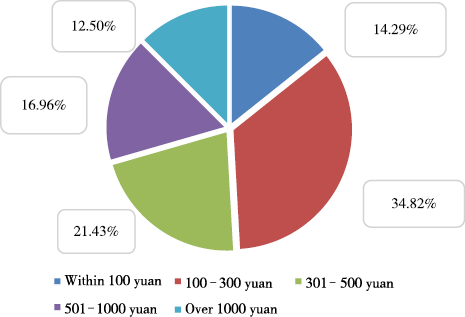
Figure 1 Online Consumption Expenditure
(2) The level of acceptance regarding online shopping psychology
Online shopping among college students has become highly prevalent. To select products with excellent value for money, they spend considerable time browsing platforms, consulting customer service, comparing prices, and reviewing buyer reviews. As seen in Figure 2, in terms of promotional preferences, 71.43% of students favor discount promotions, 61.61% prefer free shipping, nearly half pay attention to coupons, and over 40% accept points and gifts. College students show high acceptance and frequent use of mobile payment methods such as online banking, Alipay, and WeChat Pay, having developed a strong reliance on them.
In terms of logistics, college students generally accept a delivery cycle of 4–5 days, while 25.89% are willing to accept a delivery time of 6–7 days. Regarding concerns about online shopping, 33.93% of students are most worried about discrepancies between images and actual products, while 25% are concerned about substandard product quality; concerns about payment security, merchant credibility, and shipping damage each account for around 10%. Overall, over 60% of college students are satisfied with their online shopping experience, while nearly 20% express dissatisfaction, indicating an overall positive consumer experience.
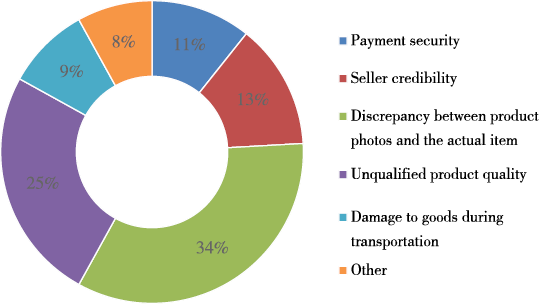
Figure 2 Concerns about Online Consumption
2.2.2 Questionnaire on the Online Shopping Behavior and Psychological Characteristics of College Students
Questionnaire Design: After reviewing existing questionnaires and research materials on college students’ online shopping consumption, and incorporating my own consumption experience as well as feedback from faculty and students, I independently developed the “Survey Questionnaire on College Students Online Shopping Consumption Behavior and Psychological Profile”. The questionnaire consists of 20 questions, including 19 multiple-choice questions and 1 fill-in-the-blank question, covering dimensions such as gender, academic year, living expenses, consumption frequency, expenditure proportion, preferred platforms, decision-making factors, attitude toward promotions, group-buying behavior, consumption concepts, advance payment practices, and self-assessment of online shopping experiences, to facilitate systematic data collection.
Survey Sample: The study targeted college students from universities in Hubei Province and the Central China region. Questionnaires were distributed online via social platforms such as WeChat, QQ, and Weibo using QR codes and dedicated questionnaire mini-programs, covering both the authors’ classmates and their social networks. Over a seven-day period, 112 valid questionnaires were collected. The survey covered three main areas: basic online shopping information, consumption habits and group-buying psychology, and self-perception of consumption behaviors. The specific data are as follows.
(1) Basic information on college students’ online shopping behavior
A total of 112 valid questionnaires were collected, comprising 45 male and 67 female respondents, with a higher proportion of females. Female participants exhibited significantly higher online shopping frequency and total spending compared to males (see Figure 3). The sample composition was predominantly composed of senior students (33.04%), followed by sophomore and junior students (18.75% each), while freshmen and graduate students accounted for a smaller share of approximately 7%–8%.
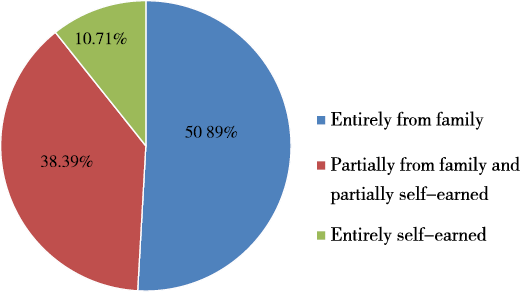
Figure 3 Sources of Online Consumption Expenditure
Regarding living expenses, 44.64% of students spend between 1,000–1,500 yuan per month, 24.11% spend between 1,500–2,000 yuan, while approximately 15% each spend less than 1,000 yuan and over 2,000 yuan. The overall spending level is moderate, with most students having stable, regular online shopping capabilities. In terms of funding sources, 50.89% of students rely entirely on family support, 38.39% receive support from their families supplemented by part-time income, and 10.71% depend solely on their own part-time earnings. This structure is characterized by primary family support supplemented by self-generated income.
The survey reveals that online shopping is highly prevalent among college students, with only 8.08% rarely engaging in it (see Figure 4). In terms of monthly shopping frequency, 31.25% shop 1–3 times, 25.89% shop 3–5 times, 18.75% shop 5–10 times, and 16.07% shop more than 10 times — solidifying online shopping as the dominant consumption method. Monthly spending patterns show the highest proportion falling within the 200–500 yuan range, followed by purchases under 200 yuan, while the 500–1,000 yuan and over 1,000 yuan categories each account for approximately 15%. Due to limited household budgets, students generally exercise restraint in spending, focusing primarily on essential daily necessities rather than luxury purchases. Nearly 60% of students allocate less than 20% of their living expenses to online purchases, demonstrating rational spending behavior, whereas only 8% exceed 50% of their living expenses on online purchases, indicating a tendency toward excessive spending. Overall, college students exhibit strong demand for online shopping, yet their spending remains practical, frequent, and moderate to low in amount, constrained by financial capabilities.
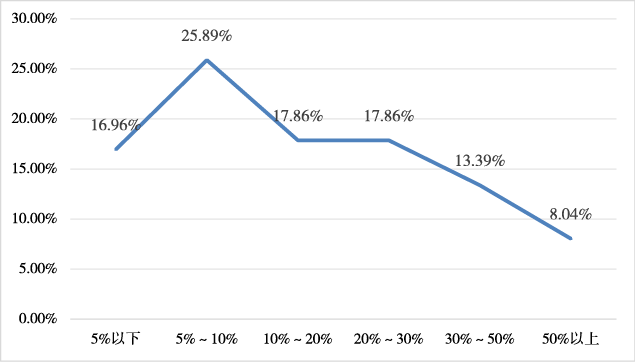
Figure 4 Proportion of Online Shopping Expenditure in Living Expenses
(2) Online shopping habits and group buying psychology
With the rapid economic development, online shopping has become the primary purchasing method for people. Major e-commerce platforms both domestically and internationally have evolved alongside technological advancements, each showcasing unique strengths to attract a large base of loyal users. According to surveys, the five most popular shopping platforms are Taobao, Pinduoduo, JD.com, Tmall, and TikTok. Among the surveyed users, over one-third (even two-thirds) regularly use these platforms, with Taobao enjoying a preference rate of 69.64%. The popularity of other shopping apps is shown in Figure 5.
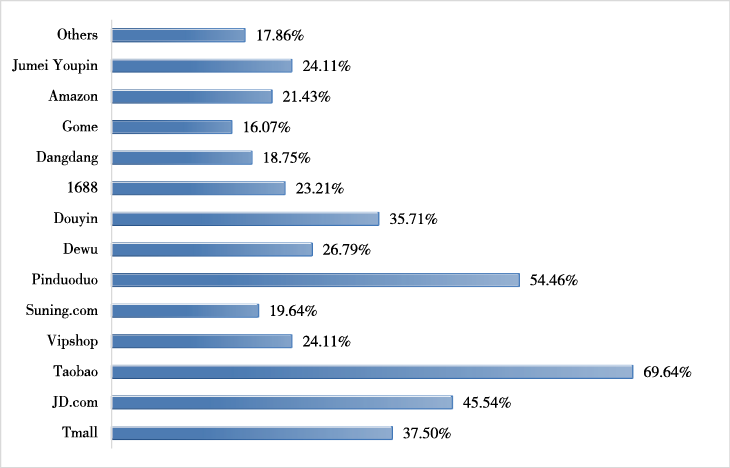
Figure 5 Popularity of Online Consumption Platforms
As a cutting-edge consumer group, contemporary college students demonstrate high acceptance and active participation in online shopping, yet their purchasing decisions are rational rather than based on blind trust. In their online purchasing decisions, 36.61% of students prioritize personal needs, nearly one-third consider product quality, and another third emphasize price and promotional offers. Regarding purchasing timing, nearly half of students shop according to needs, about a quarter frequently shop online due to offline convenience constraints, 18% concentrate their purchases during major e-commerce promotions and holidays, and nearly 70% increase their spending during large-scale sales events. Promotions such as discounts, cashback offers, and group buying significantly boost students’ purchasing willingness, with group purchases widely favored for their price advantages. In terms of purchasing partners, approximately half of students choose to shop with classmates, friends, roommates, or partners, or follow platform recommendations, while only one-third opt to shop with family members — primarily because peer group buying feels more relaxed. Among product categories, 65.18% of students prioritize daily necessities, 55.36% choose snacks and food, while clothing, footwear, and cosmetics remain popular. About a quarter also utilize group buying for luxury purchases to secure discounts. Overall, college students online shopping exhibits characteristics of rational decision-making, demand-driven behavior, preference for discounts, and willingness to engage in group buying, reflecting a blend of practicality and social attributes in their consumption patterns.
(3) Self-reflection on online shopping behavior
College students are about to enter society, possessing strong consumption desires but limited financial means. Their living expenses are primarily covered by their families, making online shopping their primary consumption method. Surveys show that 46.43% of students believe their living expenses are just sufficient, while 22.32% feel they are insufficient. Regarding online shopping expenditures, 68.75% consider their spending appropriate, and nearly 20% experience overspending. In terms of consumption habits, 41.96% of students spend on a pay-as-you-go basis without clear planning; 21.43% prioritize saving wherever possible; only 15.18% have comprehensive spending plans, while 14.29% engage in impulsive spending. Due to financial constraints, some students resort to payment methods like Huabei, Jiebei, or credit cards for advanced consumption. Overall, college students have a clear understanding of their online shopping behaviors, generally acknowledging both the convenience and risks associated with online shopping, and advocating for rational, moderate, and sensible consumption practices.
2.3 The Pros and Cons of Online Shopping for College Students
As a significant consumer group, college students exhibit high acceptance and widespread usage of online shopping, which has become their primary purchasing method, with online expenditures accounting for over half of some students’ total spending. While online shopping offers distinct advantages, it also entails numerous temptations and risks. A systematic analysis of its pros and cons can help guide college students toward rational online shopping practices.
2.3.1 Advantage
(1) The price is more affordable, suitable for college students’ purchasing power
College students’ finances are not yet independent; their living expenses are primarily covered by their families, making them a purely consumer-oriented demographic with high price sensitivity. Online shopping has become their preferred option. E-commerce merchants avoid offline costs such as store rent, utilities, and labor, allowing them to set product prices generally lower than those in physical stores — sometimes by over 20% for products of comparable quality — and offering a wider range of styles (Zhao, 2020). For college students with limited financial resources, low-cost, high-value online purchases effectively meet their daily consumption needs.
(2) Save time and effort, improve shopping efficiency
E-commerce platforms offer a wide variety of products, providing a one-stop solution for diverse needs. College students can compare prices, make purchases, and complete payments from the comfort of their homes using smartphones or computers, saving significant time and effort without needing to go shopping. For women, online shopping combines entertainment with an immersive experience; for men who dislike shopping in person, the convenience of online shopping is particularly pronounced, resulting in a more effortless and efficient overall shopping experience.
(3) Overcoming temporal and spatial limitations to meet personalized and trendy demands
Online shopping platforms operate 24/7, unrestricted by time, location, or store operating hours, enabling college students to browse and place orders anytime, anywhere. With a wide product range, these platforms allow users to quickly access the latest trends in domestic and international fashion apparel and electronics, facilitating price comparisons and better catering to students’ pursuit of novelty, fashion, and personalization — effectively overcoming the limitations of offline product variety and styles.
(4) The logistics and distribution system is well-established, with convenient delivery channels
The growth of online shopping has driven continuous upgrades to the express delivery and logistics system. Delivery networks such as STO Express, YTO Express, SF Express, and JD Express now cover campuses, with delivery efficiency steadily improving. Online shopping eliminates geographical constraints, allowing students to purchase products nationwide across different regions. Combined with mature logistics services, college students’ can receive their orders reliably and quickly, further enhancing the convenience and practicality of online shopping, which has made it the dominant shopping method on campuses.
2.3.2 Malpractice
(1) Online shopping addiction affects academic performance
Online shopping offers a vast array of products with significant price variations. To select items that offer good value for money, college students must devote considerable time browsing, comparing prices, and reviewing customer reviews. After placing an order, they frequently check shipping updates, resulting in overall time consumption far exceeding that of offline shopping. Some students, lacking self-discipline, become chronically addicted to shopping platforms, leading to excessive time consumption during leisure hours, scattered focus on studies, and reduced learning efficiency. This not only hinders academic progress but also adversely affects their physical and mental health as well as the development of healthy consumption habits.
(2) Blind consumption, lacking rationality
E-commerce platforms frequently roll out promotions such as discounts, free shipping, and time-limited flash sales. These low prices can easily trigger college students’ herd mentality and desire for bargain hunting, causing them to overlook their genuine needs and make irrational purchases of non-essential goods. Many students later discover that the products are of poor quality or do not match their expectations, or they end up leaving them unused due to complete irrelevance. Such impulsive spending not only fails to save money but also increases financial pressure and burdens families, fostering unhealthy consumption patterns.
(3) Some college students exhibit a lack of awareness and a weak sense of rights protection
Online shopping relies on visual and textual promotions, which creates information asymmetry. College students struggle to assess a product’s actual quality and craftsmanship directly. When encountering defects, counterfeit goods, or products that don’t match descriptions, some students opt to “just accept the situation” due to cumbersome procedures and inconvenience, forgoing after-sales consumer protection. With limited life experience and insufficient knowledge of consumer rights channels and legal frameworks, college students often lack the ability to effectively respond to infringement incidents, leaving their legitimate rights and interests inadequately protected.
3 Analysis of College Students’ Online Shopping Psychology, Behavior, and Influencing Factors
3.1 The Psychological Characteristics of College Students when Shopping Online
College students demonstrate high receptiveness to novel concepts, exhibiting both a trend-seeking orientation and a willingness to experiment with advanced consumption patterns. Through prolonged online shopping behaviors — including product selection, order placement, and review writing — they have gradually developed a representative consumer psychology within their demographic (Yang, 2016). A thorough analysis of these psychological characteristics can help guide college students in establishing scientific consumption principles and sound values, thereby fostering a healthy lifestyle and consumption habits.
3.1.1 Autonomy
Upon entering university, students are freed from their parents’ daily supervision, gaining the autonomy to manage their time and living expenses, with relatively reduced academic pressure and daily constraints. Influenced by their upbringing, family circumstances, and personal values, college students exhibit distinct consumption preferences and behaviors — they generally pursue trendy individuality, emphasize self-expression, value uniqueness and differentiation, and make more independent consumption decisions.
College students typically select products and shopping methods based on their personal values, lifestyle needs, and consumption preferences, reflecting a pronounced trend toward personalized consumption (Tang et al., 2019). E-commerce platforms offer a wide variety of products and choices that fully satisfy their need for independent selection and comparison. Characterized by strong curiosity and rich imagination, college students emphasize their individual style and uniqueness in consumption, preferring to express their personality through online shopping. E-commerce platforms continuously introduce personalized products and customized services to cater to students’ autonomous consumption demands. Their independent selection and decision-making during online purchases essentially reflect self-awareness and an independent personality, making autonomy one of their core consumer psychology traits.
3.1.2 Pragmatism
Although college students are open to new things and seek trendy experiences, they exhibit a strong pragmatic tendency in their consumption decisions (Long & Hu, 2019). Due to their lack of financial independence and limited living expenses, they place high emphasis on product price and quality when shopping online, adhering to the core principle of “good value for money”.
Online shopping platforms feature low operating costs, generally lower product prices compared to brick-and-mortar stores, and facilitate cross-store price comparisons and discount filtering, aligning well with college students’ purchasing power and pragmatic mindset. Even when confronted with various marketing campaigns, students prioritize cost-effectiveness, opting for the most economical purchasing options through discounts, spend-and-save offers, and coupons (Zhang et al., 2019). For items beyond their budget, they typically wait for promotional periods before making purchases. With limited disposable income and single-source spending habits, college students place greater emphasis on practicality, durability, and cost-effectiveness in their shopping decisions, reflecting a consistently pragmatic approach throughout their consumption process.
3.1.3 Blindness
College students’ consumption psychology is not yet fully mature. Influenced by the campus social environment and online marketing, they tend to exhibit pronounced impulsiveness, primarily manifested through herd consumption, competitive consumption, and impulsive spending (Yin, 2019).
The herd mentality manifests as purchasing products recommended by others, those with high sales figures and numerous reviews, and relying on others’ choices rather than their own judgment. Some students prioritize sales volume and customer reviews over product quality and personal needs when shopping online, making them susceptible to misleading practices such as merchants fabricating positive reviews or artificially inflating sales figures. The comparison mentality, influenced by consumerism, drives individuals to pursue brands, luxury items, and trendy products while engaging in material comparisons with peers and exceeding their actual needs and financial capacity. Additionally, marketing tactics like time-limited discounts, flash sales, and group-buying promotions easily trigger impulsive purchases, resulting in significant amounts of non-essential goods remaining unused (Ban, 2015). College students, lacking sufficient social experience and self-control, are easily swayed by advertisements, social media trends, and promotional atmospheres without proper planning or supervision, leading to irrational consumption behaviors that cause financial losses and resource waste. Susceptibility to influence constitutes the primary psychological driver behind their online shopping risks.
3.2 Influencing Factor
The formation of college students’ online shopping behavior results from the combined influence of the external consumption environment and individual psychological characteristics, primarily shaped by four key factors: the attributes of online products, the students’ personal circumstances, the campus environment, and the family and social atmosphere (Jiang et al., 2021).
3.2.1 Online Products and Platform-related Factors
Online shopping inherently offers significant advantages, serving as a crucial external driver for sustained consumer spending among college students. First, affordable pricing: Online retailers avoid costs such as store rent, utilities, and labor, resulting in generally lower prices than physical stores. Combined with platform promotions such as minimum spend discounts, coupons, membership benefits, and point redemption programs, these measures further reduce expenses, aligning well with students’ limited budgets. Second, extensive product variety: E-commerce platforms aggregate a vast array of merchants and products covering all daily necessities — from clothing and food to housing and transportation — free from geographical or display constraints, catering to personalized and trend-driven shopping preferences. Third, transparent pricing: Quick price comparisons for similar items and high information transparency enable students to make more rational purchasing decisions, minimizing risks associated with information asymmetry. Fourth, efficiency and convenience: The entire process — from selection and payment to delivery — is completed online, eliminating the need for physical store visits and significantly saving time and effort, perfectly suited to the fast-paced campus lifestyle.
3.2.2 Personal Factors of College Students
The age, economic status, and behavioral habits of college students determine their high dependence on online shopping (Deng, 2010). Firstly, their age range is primarily 18–23 years old. They are intellectually active, fashion-conscious, and open to new experiences, making them more susceptible to online shopping models. Secondly, they are not yet financially independent, with living expenses mainly covered by their families and limited disposable income, leading them to prefer cost-effective online shopping channels. Thirdly, they have a wider selection of products and can compare prices across multiple sellers, making it easier to meet personalized needs. Fourthly, college students possess strong digital skills, use their mobile phones frequently, and demonstrate high acceptance and adaptability to online transactions. Lastly, the online shopping process is simple and efficient, enabling quick fulfillment of daily consumption needs, making it the preferred shopping method for college students.
3.2.3 The Impact of the School and Peer Environment
The campus environment significantly shapes college students’ consumption behavior. On the one hand, consumption education is generally lacking in universities. Most institutions do not offer dedicated courses on consumption and financial management concepts, providing insufficient systematic guidance to address issues such as irrational and advanced consumption, resulting in weak financial awareness and inadequate consumption planning among students (Yuan & Dong, 2020). On the other hand, peer influence is pronounced. College students live in concentrated communities and engage in frequent social interactions, with shopping information primarily derived from friends’ recommendations and social media sharing, which often leads to herd consumption and trend-following group purchasing behaviors. Shopping habits among roommates and classmates mutually influence each other, while group buying, shared purchase links, and similar practices further enhance the prevalence of online shopping, leading to pronounced group conformity in consumption choices.
3.2.4 Family and Social Factors
Family and social environments influence college students’ consumption behavior at the value level. At the societal level, online media and short-video platforms are filled with content promoting wealth display, social comparison, and luxury consumption, which can easily lead students to pursue brands and engage in spending beyond their means, resulting in impulsive, susceptible, and competitive shopping behaviors (Wang et al., 2019). At the familial level, college students primarily rely on family support for living expenses, with their consumption capacity directly influenced by family economic status. Simultaneously, family consumption attitudes and educational approaches subtly shape students’ financial and consumption perspectives, making those lacking proper consumption education more prone to unplanned spending and excessive online shopping. The combined effects of societal consumption trends and familial guidance collectively determine the rationality and healthiness of college students’ online shopping behaviors.
4 Guidelines and Recommendations for Rational Online Shopping Behavior among College Students
To guide college students in adopting rational online shopping habits, coordinated efforts are required from individuals, schools, families, and society as a whole, fostering a healthy consumption ecosystem through comprehensive measures addressing attitudes, behaviors, environmental factors, and regulatory oversight.
4.1 Establish a Correct Consumption Philosophy for Yourself, and Strengthen Awareness of Rationality and Safety
College students should proactively cultivate a scientific and rational approach to consumption, adhere to the principle of thrift, and consciously resist negative tendencies such as blind comparison and herd behavior. When spending, they should base their decisions on their actual needs rather than solely pursuing individual fashion trends; they should avoid emotional or impulsive purchases, and practice consumption within their means (Zhang et al., 2013). At the same time, they should uphold the traditional virtues of diligence and thrift, prioritize allocating funds to education and self-improvement, and establish healthy and positive consumption values.
College students should develop sound spending plans based on their living expenses, allocate daily expenditures rationally, establish clear spending boundaries, and fully consider their family’s financial capacity. By keeping accounts and making budgets, they can manage their income and expenses effectively, cultivate planned and moderate online shopping habits, and avoid irrational spending or overspending. In the complex and diverse online shopping environment, students must enhance their product evaluation skills — by comparing prices, reviewing customer reviews, and verifying seller credibility — to avoid being misled by marketing tactics (Liu et al., 2016). When encountering issues such as products not matching descriptions, quality defects, or false advertising, they should proactively utilize after-sales channels and legal remedies to protect their rights, ensuring prudent, safe, and rational consumption.
4.2 The School Strengthens Guidance on Consumer Psychology and Safety
Universities should prioritize cultivating students’ consumption habits by systematically providing financial management and consumption safety education to help them develop sound attitudes toward money and spending. Through specialized courses, lectures, and club activities, institutions should disseminate knowledge on budgeting, rational consumption, and online fraud prevention, thereby enhancing students’ financial planning skills and awareness of risks associated with online shopping. Additionally, universities must strengthen campus cybersecurity measures, standardize online transaction guidelines, and reduce the likelihood of students falling victim to consumer scams.
Universities should integrate consumer safety content into general education courses and information literacy programs, continuously monitor students’ online shopping behaviors and psychological states, and promptly identify and address issues such as excessive consumption and online shopping addiction. Through peer discussions and consumption reflection activities, students can be guided to develop self-awareness and mutual supervision, correcting behaviors like blind conformity and impulsive shopping, thereby fostering a frugal, pragmatic, and healthy campus consumption environment.
4.3 Foster Good Consumption Habits and Maintain Health at Home
The family exerts a long-term and profound influence on college students’ consumption behavior. Parents should set an example by promoting rational, frugal, and budget-conscious consumption principles, while avoiding negative behaviors such as comparison and extravagance. Through daily communication, they can provide both explicit and implicit consumption education to help children correctly understand the value of money, enhance their sense of responsibility and self-control, and reduce irrational online shopping behaviors at the source.
Parents should provide reasonable living expenses and encourage college students to earn income through part-time jobs or practical experiences, helping them understand the difficulty of earning money and fostering a sense of financial independence. At the same time, they should monitor their children’s spending habits, promptly address issues such as excessive consumption and blind conformity, strengthen their awareness of financial planning and risk management, and assist them in developing stable, healthy, and sustainable spending habits to lay a solid foundation for their future entry into society.
4.4 Society Fosters a Healthy Online Shopping Market and Promotes Civility
The government should strengthen market regulation of online shopping, intensify efforts to combat practices such as false advertising, counterfeit and substandard products, malicious marketing, and consumer inducement, improve consumer rights protection mechanisms, and effectively safeguard the legitimate rights and interests of college students. At the same time, it should resist unhealthy trends like extravagant competition and materialism, enhance the governance of online culture, and create a clean, safe, and positive online consumption environment for young students.
All media outlets and e-commerce platforms should play a guiding role in public opinion by actively promoting a culture of frugal, moderate, rational, and pragmatic consumption, while reducing the spread of content that showcases wealth, engages in excessive marketing, or encourages competitive comparisons. Through high-quality content and positive examples, they should help college students develop sound values and consumption habits, resist the erosion of consumerism, advocate for a lifestyle characterized by purchasing based on needs, rational spending, and green, thrifty practices, and foster a healthy and civilized consumption ecosystem across society.
5 Epilogue
Online shopping has become the predominant consumption pattern in modern society. As a core consumer group, college students are highly engaged in online shopping, attracted by its convenience and affordability. This survey reveals that college students have developed unique consumption mindsets in online shopping. Through a systematic analysis of their consumption psychology and behavior, the study identifies multiple factors influencing their online shopping habits. To address issues such as impulsive purchasing and inadequate consumer rights protection among college students, it is essential to strengthen consumer education. This requires a collaborative effort involving students cultivating rational consumption attitudes, families fostering healthy habits, universities providing guidance, and society enhancing regulatory oversight, all working together to help students establish sound and scientific online shopping consumption principles.
References
[1] Zhang, L., Guo, X., Niu, Y., Jia, J., Li, Y., Jia, Z., & Xu, L. (2013). Research and countermeasure analysis on the impact of Online shopping on college students’ consumption concepts. China Off-campus Education, (30), 35.
[2] Zhao, X. (2020). Analysis of consumer marketing strategies for College Students from a psychological perspective. Classics in Taste, (11), 95-96.
[3] Tang, Y., Liang, J., Deng, X., Chen, Z., & Xu, Z. (2019). Analysis of college students’ online shopping behavior and psychology. Industry and Technology Forum, 18(17), 129-30.
[4] Ban, H. (2015). A study on the consumption psychology of college students based on Online shopping. Journal of Social Sciences in Shanxi Higher Education Institutions, 27(9).
[5] Wang, X., & Zhang, L. (2017). Analysis of college students’ consumption psychology and behavior based on their Online shopping practices. Modern Shopping Mall, (14).
[6] Long, Y., & Hu, G. (2019). Analysis of changes in college students’ consumption psychology in the background of consumption upgrade. Shanxi Agricultural Economics, (10).
[7] Jiang, J., Tang, M., Tu, Y., & Wang, D. (2021). An Empirical study on college students’ online consumption psychology and its influencing factors. Journal of Mudanjiang Normal University (Social Sciences Edition), (1).
[8] Sun, C. (2018). Analysis of college students’ consumption psychology and behavior based on their Online shopping practices. Cai Zhi, (27).
[9] Yin, X. (2019). Analysis of college students’ consumption psychology and behavior based on their Online shopping behavior. Mass Investment Guide, (8).
[10] Liu, C., Wang, Y., & Wang, Y. (2016). Analysis of college students’ online shopping consumption behavior and countermeasures: A case study of Kunming Medical University. Value Engineering, 35(5).
[11] Zhang, Y., Liu, X., Xu, Y., Zhou, H., & Qin, S. (2019). Investigation and analysis of college students’ online consumption psychology and behavior. China Management Informatization, 22(4).
[12] Yuan, C., & Dong, C. (2020). Research on the factors influencing college students’ online consumption. China Management Informatization, 23(7).
[13] Wang, H., Gao, L., Qu, X., Wang, F., Sun, D., & Li, Y. (2019). Analysis of the causes of college students’ online shopping addiction. New Western, (33).
[14] Deng, J. (2010). Analysis of factors influencing college students’ online consumption. China Market, (45).
[15] Sheng, Y., & Deng, H. (2008). Survey on the current status of Online shopping among contemporary College Students. Cooperative Economy and Technology, (15).
[16] Yang, T. (2016). A preliminary analysis of the impact of Family Environment on the formation of consumption views among Post-90s college students — modern. Communication, (7).