Current Views: 32988
 Current Downloads: 21920
Guide to Education Innovation
ISSN Print:2789-0732
ISSN Online:2789-0740
Contact Editorial Office



Subscribe to the latest published information from SCISCAN
Empowering the “Dual Carbon” Goals through Industry-Education Integration: Industry-Education Integration in Oil & Gas New Energy


-
Information:
1. Research Centre for Digitalization and Intelligent Diagnosis of New Energies, Northeast Petroleum University, Daqing;
2. National Key Laboratory of Continental Shale Oil, Northeast Petroleum University, Daqing
-
Keywords:
“Dual carbon” goals; Industry-education integration; New energy; Talent cultivation; Technological innovation
- Abstract: With the comprehensive advancement of the “dual carbon” goals, new energy industries are experiencing rapid expansion. Due to a lack of professional technical support and a shortage of high-caliber talents, critical bottlenecks have emerged, hindering the high-quality development of the new energy industry. Industry-education integration, a vital pathway to bridge the talent, innovation, and industrial chains, offers a feasible solution to this challenge. This paper presents a collaborative practice between Northeast Petroleum University and a New Energy Technology Center in a major oilfield as a core case study. The significant role of a university in the energy transition of a traditional oil and gas field is systematically analyzed, and the implementation logic and application pattern of the industry-education integration in new energy sectors are explored. By reviewing specific pathways of the university-enterprise collaboration in technological innovation, joint platform development, and co-cultivation for professionals, the core value of Northeast Petroleum University is demonstrated in elevating new energy technology standards, improving industrial standardization systems, and enhancing talent supply capabilities. To address practical challenges encountered, development suggestions are proposed, including optimizing the industry-education integration mechanism, deepening collaborative innovation, and establishing a diversified evaluation system, aiming to provide theoretical reference and practical insights for promoting the green transformation in new energy industries and achieving the “dual carbon” goals.
- DOI: 10.35534/gei.0601006
- Cite: Tian, C. Y., Gao, Z. W., Jiang, Y. L., & Liu, Y. H. (2026). Empowering the “Dual Carbon” Goals through Industry-Education Integration: Industry-Education Integration in Oil & Gas New Energy. Guide to Education Innovation, 6(1), 57-75.
1 Introduction
1.1 Research Backgrounds
To address the concern about global climate change, “carbon peak and carbon neutrality” have become core strategic directions for countries to promote green development. In the 30th Conference of the Parties (COP30) to the United Nations Framework Convention on Climate Change, the interim target is explicitly set for increasing the global share of new energy power generation to 40% by 2030. As a major global energy consumer, China has integrated the “dual carbon” goals into the overall layout of its ecological civilization construction. China has successively issued policy documents such as the Action Plan for Carbon Dioxide Peaking Before 2030 and the “14th Five-Year Plan” for Scientific and Technological Innovation in the Energy Sector, clearly positioning the new energy industry as the core pillar for achieving these goals. The Annual Report on the Development of the New Energy Industry, released by the National Energy Administration in 2025, indicates that by the end of 2024, new energy power generation accounted for 28.3% of the nation’s total electricity consumption. Among the new energy sources, photovoltaic power generation grew by 35.7% year-on-year, and the installed capacity in distributed photovoltaic power stations surpassed 1 billion kilowatts. Their application as an alternative energy source continues to expand in traditional high-energy-consumption areas such as oil and gas fields and industrial parks (Cheng et al., 2024; Fan et al., 2026; Zhang, 2025; Ma et al., 2023; Zhao, 2021).
As the core sector in traditional energy production, oil and gas fields face particularly urgent demands for energy conservation and emission reduction. Data shows that the oil and gas extraction industry in China accounts for 6.2% of the national total industrial energy consumption and 5.8% for industrial carbon dioxide emissions, with power generation and heat supply during production being the primary carbon sources. Distributed photovoltaic power generation has emerged as the preferred solution for energy substitution in oil and gas fields, thanks to its renewable resources, flexible deployment, and proximity to load centers. By the end of 2024, sixteen major domestic oil and gas fields had established 237 distributed photovoltaic power stations, with a total installed capacity exceeding 5GW. However, the rapid expansion of the new energy industry has also brought practical issues such as technological lag and a shortage of specialized talents. In particular, distributed photovoltaic power stations in oil and gas fields are generally characterized by geographical dispersion, complex operating conditions (i.e., high temperature, high humidity, and high dust levels), and significant load fluctuations, leading to three major challenges: i) Inconsistent standards, with different oil and gas fields adopting varying detection indicators and methods, making it difficult to establish a common industry evaluation system; ii) Insufficient technical specificity, struggling to adapt to complex operating conditions in oil and gas fields for traditional photovoltaic detection equipment, often results in data distortion and high equipment failure rates; iii) A significant shortage in specialized talents is highlighted by the research report of the China Petroleum Enterprise Association in 2025. Research data indicate there is a shortage of 23,000 professionals in the new energy sector of oil and gas fields, with less than 30% of the current practitioners having testing qualifications (Liu, 2025; Wang, 2013; Guo, 2025; Li, 2023; Xu & Jiang, 2010). These issues severely hinder the improvement of power generation efficiency and industrial health development in oil and gas field photovoltaic power stations, urgently requiring innovative approaches such as industry-education integration to overcome the dual bottlenecks of technology and talent.
The integration of industry and education serves as a pivotal strategy to deepen the fusion of educational systems, talent development, industrial chains, and innovation ecosystems, whose core mechanism facilitates a virtuous cycle through resource synergy between universities and enterprises, achieving industry demand-driven education adaptation and technological innovation breakthroughs. In 2023, the Ministry of Education in China issued the “Notice on Key Tasks for Accelerating Modern Vocational Education System Reform”, mandating the establishment of 100 national-level industry-education integration innovation platforms in strategic emerging sectors like new energy and advanced manufacturing, with the goal of cultivating interdisciplinary talents combining theoretical knowledge and practical skills. As a leading institution in petroleum and petrochemical engineering, Northeast Petroleum University (NEPU) has proactively aligned with industry demands. Since 2021, NEPU has partnered with the New Energy Technology Center (NETC) in a major oil field to establish a collaborative industry-academia-research base, focusing on overcoming technical bottlenecks in new energy detection and evaluation for oil and gas fields. The collaboration has yielded a series of achievements, including benchmarking energy efficiency for photovoltaic power stations, testing wind and solar power projects, and developing core technologies. Together, they have completed over 40 new energy detection projects, generating technical service revenues exceeding 20 million yuan, and jointly filed more than 10 patents related to new energy detection.
NEPU has established a collaborative innovation network with enterprises such as China Petroleum, China Petrochemical, andChina National Offshore Oil Corporation (CNOOC), leading the construction of an industry-education integration model characterized by “project-driven-platform-supported-joint talent cultivation”, successfully overcoming multiple technical challenges in the construction and operation of new energy in oil and gas fields. Therefore, based on the practical exploration of NEPU, systematically studying the application paths and effectiveness of industry-education integration in the field of new energy can not only enrich the theoretical achievements of the industry-education integration in specialized industrial sectors but also provide the technical references for the standardized development in new energy industries under special scenarios such as oil and gas fields, and offer replicable solutions for talent cultivation in the new energy industry under the “dual carbon” goals. The practice mode has important theoretical and practical significance.
1.2 Current Research Status
Currently, research on industry-education integration and new energy industry development, both domestically and internationally, has made some progress, forming a core research framework of “policy-driven-model innovation-effectiveness evaluation”. Internationally, developed countries in Europe and America, leveraging mature vocational education systems, have developed diversified industry-education integration models. The United States employs an “enterprise-led” collaborative model. For example, Tesla and the Massachusetts Institute of Technology (MIT) jointly established a New Energy Technology Innovation Center, where corporate investment constitutes over 60% of R&D funding, focusing on breakthroughs in power battery testing technology. The nondestructive testing technology developed there has achieved industrial application, improving testing efficiency by over 50%. Germany continues its dual education system tradition. Siemens collaborated with the Munich University of Applied Sciences to offer a “New Energy Technology” program, where enterprise practical hours accounted for 45% of the curriculum, and students must complete at least two real testing projects to graduate. This model supplies an average of 12,000 professional technical talents annually to German new energy industries. Japan adopts a “government-guided” integration model. By establishing a special fund for new energy industry-education integration, it supports the joint construction of a photovoltaic testing laboratory by Tokyo Institute of Technology and Sharp Corporation, focusing on the research and development of high-efficiency photovoltaic module lifespan assessment technology. The related outcomes have been incorporated into Japanese new energy industry standards (Liu & Sun, 2025; Shuang & Jin, 2020; Wei et al., 2025; Wan et al., 2025; Wang et al., 2026; Wang, 2025).
Domestic research primarily focuses on theoretical discussions and practical explorations for industry-education integration in areas such as new energy specialty development and the optimization of talent cultivation programs. At the specialty development level, Shandong Institute of Petroleum and Chemical Technology, leveraging its petroleum industry background, has constructed a “Green and Low-Carbon Specialty Cluster”, positioning new energy technology as its core focus, which offers specialized courses such as Introduction to New Energy Technology in Oil and Gas Fields and Operation, Maintenance, and Evaluation of Photovoltaic Power Stations, integrating actual enterprise testing standards into the curriculum. The employment rate for 2024 graduates of this specialty reached 92.3%. Jiangsu Vocational Institute of Engineering Technology, in collaboration with Trina Solar, jointly established a “Photovoltaic Industry College”. It introduced a complete set of enterprise photovoltaic testing equipment and built 12 on-campus practical training bases which formed a three-tier cultivation system of “theoretical instruction-simulated training-on-site practical operation”. At the technical collaboration level, Ying Li Energy, in partnership with North China Electric Power University, established a Doctoral Innovation Station focusing on tackling photovoltaic module defect detection technology. The developed machine vision-based defect detection system achieved an accuracy rate of 98.7%. It was deployed in over 30 photovoltaic power stations across the country, forming a collaborative model of “enterprise scenario support-university technological breakthrough-enterprise application and implementation”. Dong Fang Electric collaborated with Harbin Institute of Technology on research into wind power equipment detection technology. The proposed wind turbine blade fatigue life assessment method was incorporated into the national standard Wind Energy Generation System Wind Turbine Blades (GB/T 25383-2025) (Ao et al., 2025; Zhang et al., 2024; Liao & Wang, 2025; Deng et al., 2026)
A review of the existing research reveals significant gaps in the current body of work (Tang et al., 2025; Hua et al., 2026; Yang et al., 2026; Yu et al., 2024). First, the scope of inquiry is largely concentrated on industry-education integration models for new energy industry as a whole or for broad sub-sectors like photovoltaics and wind power. There is a notable lack of systematic research on the critical sub-field of new energy testing, particularly in-depth exploration of the collaborative mechanisms linking testing technology R&D, service deployment, and industry-education integration. Existing studies predominantly focus on optimizing curriculum systems at the talent cultivation level, paying insufficient attention to the deep coupling mechanism between technological innovation and industry-education integration. This shortfall hinders the ability to support the rapid iteration of new energy technologies.
Second, the research perspective is often confined to a single entity, typically either universities or enterprises. There is a lack of consideration for the multi-stakeholder collaborative mechanism involving “universities, enterprises, government, and industry associations”. This narrow view fails to adequately account for the influence of policy guidance and industry standard constraints on the outcomes of industry-education integration. For instance, against the backdrop of continuously evolving new energy testing standards, how multi-stakeholder collaboration can ensure that talents cultivation through industry-education integration meet industry requirements remains an unexplored area of research.
Furthermore, research scenarios are predominantly centered around conventional settings like standard photovoltaic power stations and wind power projects. Practical research on industry-education integration tailored for special scenarios, such as oil and gas fields, is scarce. Distributed photovoltaic power stations in oilfields possess unique characteristics — complex operating conditions, demanding technical testing requirements, and geographical dispersion. Their industry-education integration models differ markedly from those applicable to general scenarios, making direct application of existing research findings impractical.
Building upon the research gaps identified above, this paper takes the industry-education integration practices of NEPU as its core case study. Focusing on the specialized scenario of new energy testing in oil and gas fields, it systematically examines the university implementation pathways in areas such as technological innovation, platform development, and talent cultivation. The analysis further evaluates the impact of the multi-stakeholder collaborative mechanisms on integration outcomes. By doing so, this study aims to address the existing research shortcomings, enrich the body of knowledge on industry-education integration and new energy industry development, and provide theoretical support and practical reference for industry-education integration practices in specialized new energy contexts.
1.3 Research Content and Methods
This paper takes the collaborative practice between the NEPU and the NETC in a certain oilfield as its research subject, focusing on the specialized application scenario in oil and gas fields. It primarily explores the implementation pathways and outcomes of the industry-education integration in areas such as technological innovation, platform development, and talent cultivation. The core research content revolves around four key aspects. i) First, a systematic review of the practical achievements in new energy testing resulting from the collaboration between the NEPU and NETC. Based on firsthand materials such as project archives, technical reports, and output value data, the study organizes the university’s practical outcomes across three core domains: energy efficiency benchmarking, testing services, and technological research and development. Specific details include: the scope of implementation, indicator systems, and the optimization results of energy efficiency benchmarking for photovoltaic power stations in oil and gas fields; the technical plans, implementation processes, and industrial value of testing for wind and solar power projects in locations such as the Daqing Oilfield; and the project background, technical approach, and research progress of studies on photovoltaic module synchronization testing technology. ii) Second, an analysis of the implementation logic and practical pathways of industry-education integration in the new energy field. Drawing on the collaboration case between the NEPU and NETC, the study examines the core implementation logic of industry-education integration, namely, “industry demand-driven, university resource-supported, and collaborative innovation-empowered”. It emphasizes the specific implementation pathways of the “three-dimensional linkage model”, encompassing collaborative technological innovation, sharing the development of the practical platforms, and joint talent cultivation. This includes the mechanisms for the division of labor and cooperation between universities and enterprises in technology research and development, the construction standards and operational models of practical platforms, and the formulation and implementation processes for talent cultivation programs. iii) Third, a multi-dimensional assessment of the effectiveness of the industry-education integration practices. The study constructs a three-dimensional effectiveness evaluation system covering “technological innovation, industrial development, and talent cultivation”. It employs a combination of quantitative data and qualitative analysis to assess the outcomes of industry-education integration. At the technological innovation level, the focus is on analyzing breakthroughs in core technology research and development, patent applications, and the benefits for technology transfer. At the industrial development level, attention is given to the growth in testing service output value, participation in industry standards, and enhancement of industrial influence. At the talent cultivation level, the evaluation centers on indicators such as the practical capabilities of jointly trained students, employment rates, and feedback from enterprises. ⅳ) Fourth, exploration of the challenges faced by industry-education integration and optimization pathways. Building on the university’s practical experience, the study identifies challenges in implementation, including collaborative mechanisms, integration depth, targeted talent cultivation, and evaluation systems. Based on the requirements of the “dual carbon” goal and the development needs of the new energy industry, it proposes optimization recommendations such as improving collaborative guarantee mechanisms, deepening comprehensive integration, advancing customized talent cultivation, and establishing a diversified evaluation system.
This paper adopts case study methods, literature research methods, and a combined quantitative-qualitative research approach to ensure the scientific validity and reliability of its conclusions. The specific research methods applied are as follows.
(1) The literature research method
The study systematically retrieves databases such as CNKI and Wan Fang to collect relevant literature in fields including industry-education integration, “dual carbon” goals, new energy testing, and talent cultivation, encompassing journal articles, dissertations, monographs, and policy documents. Through the literature review, it clarifies the current state of the domestic and international research, core theoretical findings, and research gaps, constructing the theoretical analytical framework for this study. Concurrently, it gathers industry standards, technical specifications, and industrial reports in the new energy field to provide theoretical support and reference for analyzing practical pathways and evaluating effectiveness. The literature search covers the period from 2020 to 2026, using keywords such as “Industry-education Integration”, “new energy testing”, “dual carbon goal”, “talent cultivation”, and “oilfield photovoltaics”.
(2) The case study method
The NETC is selected as the core case. Based on the principle of “purposeful sampling”, this center serves as a benchmark institution in the oilfield new energy sector, whose industry-education integration practices are considered representative and exemplary. Firsthand research data are obtained through methods such as field investigations, in-depth interviews, and document collection. Field visits were conducted to the center testing laboratories and practical training bases to observe the implementation process for industry-education integration projects. In-depth interviews were conducted with 28 individuals, including center leaders, technical experts, collaborating university faculty, and jointly trained students, focusing on cooperation mechanisms, implementation challenges, and perceived effectiveness. The center project archives, technical reports, output value data, talent cultivation programs, graduate employment statistics, and other firsthand materials were collected, totaling over 100,000 words. Through coding, classification, and analysis of the case materials, the practical models and core values for industry-education integration are extracted — a technical roadmap for industry-education integration research, as shown in Figure 1.
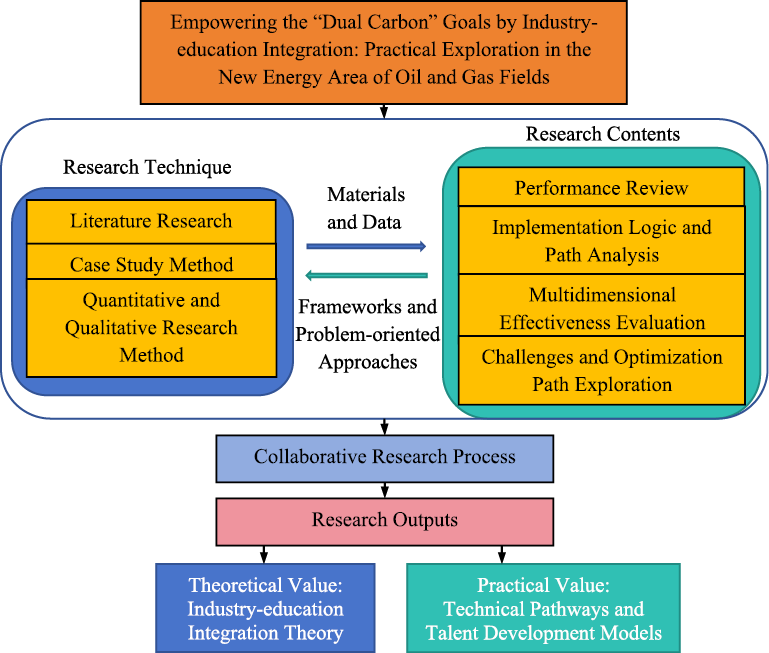
Figure 1 Technical Roadmap for Industry-education Integration Research
(3) Mixed-methods approach integrating quantitative and qualitative research
In the effectiveness evaluation section, quantitative data are utilized to support research findings. Examples include the percentage improvement in testing efficiency, the number of patent applications, the output value from technology transfer at the technological innovation level, the data on the growth of testing service output value, the frequency of participation in industry standards at the industrial development level, and the metrics such as graduate employment rates and the number of awards in skills competitions at the talent cultivation level. Simultaneously, qualitative analysis methods are incorporated. Through materials such as interview transcripts, enterprise feedback, and project summary reports, this approach provides an in-depth analysis of the implementation logics and influencing factors of the industry-education integration, which compensate for underlying issues that quantitative data alone may not capture, ensuring the evaluation results are comprehensive and objective.
2 The Practice Foundation of Industry-education Integration
The core collaboration between the NEPU and NETC encompasses new energy project testing and evaluation, core technology research and development, and energy efficiency consulting. This partnership primarily serves integrated oil and gas and new energy projects, having provided new energy testing technical services to over ten oil and gas fields, including Daqing, Xinjiang, and those in southwestern China. By focusing on the testing requirements under new energy application scenarios in oil and gas fields, the university fully leverages its strengths in scientific research and talent cultivation. A long-term, stable industry-university collaborative relationship has been established, forming a virtuous cycle characterized by “practical achievements providing support-industry-university collaboration enabling empowerment-industrial development achieving quality enhancement”.
2.1 New Energy Technology Benchmarking System for Oil and Gas Field
To improve the operational management level of the distributed photovoltaic (PV) power stations in oil and gas fields and address industry-wide challenges such as significant performance variations between stations in different regions, inconsistent power generation efficiency, and high operation and maintenance costs, the NEPU, in collaboration with the NETC, initiated the “Production Operation Indicator Benchmarking for Oilfield PV Power Stations” project at the subsidiary level of the integrated oil, gas, and new energy company in 2021. The scope of this benchmarking exercise covered 32 distributed PV power stations, each with a capacity of 1 MW or greater, across 11 oil and gas fields, including Daqing, Shengli, and Changqing. The total installed capacity involved reached 452 MW. To ensure the scientific validity and representativeness of the benchmarking results, the team employed a “stratified sampling combined with typical case selection” methodology. This approach encompassed diverse geographical environments such as deserts, plains, and hilly terrain as well as different load types, including power supply for oil extraction facilities and heating for residential areas.
In the development of the benchmarking indicator system, the Research Centre for Digitalization and Intelligent Diagnosis to New Energies (REDIDNE) in the NEPU, in partnership with the NETC in a major oilfield, in a major oilfield tailored to the unique operational conditions of oil and gas fields, has established a comprehensive benchmarking framework. This system is structured around four primary dimensions: Power Generation Efficiency, Operation and Maintenance Management, Energy Consumption Control, and Safety and Environmental Protection, encompassing a total of 18 specific performance indicators. The Power Generation Efficiency dimension includes the core metrics such as equivalent generation hours, energy yield per unit area, module degradation rate, and so forth. The Operation and Maintenance Management dimension consists of the key indicators, such as equipment failure rate, O&M personnel allocation ratio, and critical spare parts inventory rate. The Energy Consumption Control dimension covers three main measures, including the rate of the O&M Energy Consumption and Cooling System Energy Usage, etc. The Safety and Environmental Protection dimension is valued by the indices such as the operational readiness rate of firefighting systems and compliance rate of pollutant emissions, etc. Collectively, these form an integrated performance assessment system for photovoltaic power stations.
During the data collection and analysis process, NEPU employed a combined approach of online monitoring and on-site verification. Utilizing eight drone inspection devices, thirteen high-precision power analyzers, and forty-eight environmental monitoring sensors, real-time data acquisition was achieved from all thirty-two power stations. Data were sampled at a frequency of once per minute, accumulating a total exceeding 120 million data points. Using SPSS data analysis software, data cleaning, normal distribution tests, and significance analysis of differences were carried out, precisely identifying variations and deficiencies among the stations in power generation efficiency, equipment operation and maintenance, and energy consumption control. For example, power stations in desert areas exhibited a module degradation rate 4.3 percentage points higher than those in plains regions due to sand and dust obstruction. Some stations in older oilfields demonstrated equivalent power generation hours 180 hours per year lower than newly constructed stations, attributable to aging equipment.
To address the identified issues, the NEPU expert team collaborated with the NETC to formulate tailored optimization plans. These included regular cleaning protocols for modules in sandy and dusty areas, upgrade and retrofit strategies for aging equipment, and skill enhancement programs for operation and maintenance personnel. Practical application verified the effectiveness of these measures. Following benchmarking and optimization at an oilfield power station, the implementation of a combined cleaning method using high-pressure water jets and brushes reduced the module degradation rate by 2.1% points. Replacing existing inverters with high-efficiency models increased equivalent power generation hours by 120 hours annually, resulting in an additional 1.44 million kWh of power generation per year. Optimizing the allocation of operation and maintenance personnel reduced associated costs by 18%, achieving annual savings of 680,000 RMB in operation and maintenance expenses. This work not only provided a scientific basis for optimizing the operation of photovoltaic power stations across various oil and gas fields but also culminated in the development of the Technical Guidelines for Energy Efficiency Benchmarking of Distributed Photovoltaic Power Stations in Oil and Gas Fields. Furthermore, it amassed extensive operational data from photovoltaic power stations under diverse geographical and working conditions, thereby providing rich practical material for related research and talent development initiatives within the framework of industry-education integration.
2.2 Wind Power Testing Service Project
Leveraging professional technical expertise and industry resources, the REDIDNE at the NEPU, in collaboration with the NETC, commissioned by the oilfield operators, carried out specialized testing for 19 photovoltaic power projects and 6 wind power projects between 2021 and 2024. The total installed capacity involved in these projects reached 286 MW. The testing scope encompassed 12 core modules, including component performance testing, inverter efficiency evaluation, wind turbine blade defect inspection, and grid-connection performance assessment.
In seeking the technical solution, NEPU worked jointly with the NETC to develop customized inspection plans tailored to the specific operational conditions and technical challenges of each project. For example, certain photovoltaic projects located in northern regions experience severe cold during winter, where conventional testing equipment often suffers from reduced accuracy or startup failures. To address this, a low-temperature-adapted testing equipment incorporating wide-temperature-range sensors along with heating and insulation mechanisms was developed, ensuring stable operation in low-temperature environments while maintaining a detection accuracy error within ±0.5%. For a wind farm situated in a grassland area where turbine blades are susceptible to hidden defects caused by wind and sand erosion, an intelligent monitoring approach was adopted, inspired by non-stop blade inspection methodologies. Utilizing drones equipped with infrared thermal imagers and high-definition cameras, combined with deep learning algorithms, non-stop inspection of wind turbine blades was achieved, elevating the defect identification accuracy rate to above 95%.
During the implementation phase, three professional testing teams were formed, each comprising three enterprise technical experts and two university faculty members, operating under a “group testing with cross-verification” workflow. The testing process strictly adhered to industry standards and consisted of four distinct stages: preliminary preparation, on-site inspection, data processing, and report compilation. The preliminary preparation stage involved equipment calibration, testing plan briefings, and safety training. The on-site inspection stage required executing module-specific tests according to the plan while simultaneously documenting data and preserving visual records. The data processing stage primarily utilized MATLAB software for analyzing test data and generating comprehensive data reports. The report compilation stage involved preparing detailed inspection reports based on the collected data and field observations, along with proposing targeted optimization recommendations.
This specialized testing initiative cumulatively identified 21 issues, including component damage, low inverter efficiency, and hidden defects in wind turbine blades, leading to the formulation of seven tailored optimization plans. Following testing and optimization at one oilfield wind farm project, the application of the blade reinforcement technology to repair hidden defects extended blade service life by five years, reducing annual downtime losses by over 800,000 RMB. At a photovoltaic project, replacing underperforming components and optimizing inverter operating parameters increased equivalent power generation hours by 98 hours per year, resulting in an additional annual power generation of 1.176 million kWh. The testing services generated an output value exceeding 4 million RMB, fully demonstrating the industrial value of new energy detection technologies while providing robust technical assurance for the safe and efficient operation of new energy projects in oilfields.
2.3 Photovoltaic Power Station Testing Technology and Breakthrough
With a large-scale development of photovoltaic power stations, the operational status of photovoltaic modules directly impacts the power generation efficiency, safety and reliability of the station. However, traditional photovoltaic module testing technologies have significant limitations and struggle to meet industry demands (Li, 2023). Existing testing methods and instruments predominantly employ single-channel sequential testing, which cannot simultaneously test all modules in a string. This results in low testing efficiency, a lack of data synchronization, and difficulty in accurately locating string-level faults. To overcome the bottlenecks of the traditional testing technologies and address the issues of low testing efficiency and inaccurate data in photovoltaic modules for oil and gas field power stations, the primary objective of the project is to develop a multi-channel synchronous data acquisition and remote calibration system. This system is designed to perform simultaneous testing on entire strings of PV modules, aiming to increase inspection efficiency by over 40% while maintaining a detection accuracy error within ±0.3%. The project is spearheaded by the NETC in collaboration with NEPU, forming a consortium that follows a model of “enterprise leadership, academic research and development, and institutional support”.
The technical development strategy is centered on addressing three major challenges:
(1) Multi-Channel Synchronous Data Acquisition: Achieving truly simultaneous data capture from 32 independent channels at a sampling frequency of 100 kHz to ensure perfect temporal alignment of all measurements;
(2) Remote Calibration Technology: Developing a solution to streamline the traditionally cumbersome and lengthy on-site calibration process by enabling remote, online calibration of detection equipment;
(3) Data Processing and Fault Diagnosis Algorithms: Creating intelligent algorithms capable of analyzing the synchronously collected data to accurately identify various component faults, including performance degradation, partial shading, and short circuits.
Based on an extensive literature review and technical analysis, the R&D team has selected an FPGA (Field-Programmable Gate Array) as the core control chip to handle synchronous data acquisition and transmission. High-speed 5G communication will facilitate the transfer of remote calibration data. At the same time, a fault diagnosis model built on deep learning algorithms will be implemented to improve the accuracy of fault identification. The project has completed its initial phase, including drafting the technical roadmap, conducting foundational research, and validating the core concept. Work is currently underway on detailed technical design, cost assessment, and formal project system registration. Progress includes the preliminary design of the multi-channel data acquisition module, with key parameters like channel count and sampling rate finalized. Feasibility tests for the remote calibration subsystem have successfully verified the stability and reliability of the 5G data link. An initial version of the fault diagnosis algorithm has been developed, demonstrating a 92% accuracy rate in identifying faults during simulated data testing. The next phase involves selecting a representative photovoltaic power station to establish an outdoor validation platform. This platform will be equipped with a synchronous data acquisition system, remote calibration units, and environmental monitoring devices to conduct a six-month field trial. This extended test will validate the system performance metrics under diverse real-world operating conditions. Concurrently, collaborative work will focus on refining the algorithms and integrating the system components to ensure both data accuracy and methodological robustness. The resulting knowledge and specifications will be formalized into corporate technical standards, contributing to the standardization of new energy inspection services. Beyond overcoming the limitations of traditional detection methods and elevating the technical capability for monitoring oilfield PV stations, this project serves as a concrete platform for collaborative core-technology development within the industry-education integration framework, effectively bridging the gap between academic research outcomes and practical industrial needs.
3 Practice Path and Multi-dimensional Effect of Integration of Industry and Education
3.1 Construction of Three-Dimensional Linkage Practice Path
Based on the practical foundation established above, NEPU, in partnership with the NETC, has developed a collaborative framework for industry-academia integration, focused on joint technological innovation, shared development of practical platforms, and cooperative talent cultivation. This framework is fundamentally driven by industrial requirements and is sustained by the comprehensive resources of the university. Through profound collaboration with enterprises, it facilitates the precise alignment and efficient integration of the academic research capabilities in NEPU with industrial practical assets. The implementation follows a closed-loop process: identifying industrial needs, matching and integrating resources, executing collaborative innovation, and utilizing performance feedback for continuous optimization. Here, industrial needs encompass core areas such as technological breakthroughs and talent supply. Resource integration centers on effectively connecting the research teams with corporate operational platforms. Collaborative innovation is realized through the three defined pathways, and the integration model is perpetually refined based on outcome assessments.
In the dimension of collaborative technological innovation, specifically to tackle core challenges like synchronous testing of photovoltaic modules, NEPU and NETC have instituted a closed-loop innovation mechanism encompassing “demand alignment, cooperative R&D, field validation, and commercialization”. Concretely, the process begins with NEPU identifying key technological challenges in the new energy sector through project studies and industry analysis, leading to a defined list of requirements. This list is then discussed with enterprise partners to finalize R&D priorities and core objectives. Subsequently, a joint university-enterprise R&D team is formed with clearly assigned roles. NEPU contributes its theoretical expertise in areas like multi-channel data acquisition, remote calibration, and algorithm design to drive core technology development and solution design. Enterprises provide real-world testing environments, operational data, and practical industry insights to ensure the solutions are feasible and applicable. The field validation phase involves enterprises granting access to operational sites, such as photovoltaic power stations, for outdoor testing of the developed technologies. Test data is collected and fed back to our researchers for algorithm refinement. Finally, in the commercialization phase, both parties collaborate to promote the industrial application of the technological outcomes, covering product development and market introduction, with our university offering sustained technical support. A case in point is the Research on Synchronous Testing Technology for PV Modules in Power Stations project. Our research team was responsible for the circuit design of the multi-channel synchronous data acquisition module and the development of the FPGA program. In contrast, the enterprise team handled the on-site installation, calibration, and empirical testing of the equipment. Regular monthly joint meetings were held to synchronize progress and address challenges, significantly boosting R&D efficiency.
Regarding the co-development of practical platforms, capitalizing on the NETC’s access to operational new energy power stations and testing facilities within oilfields, university has taken the lead in establishing two key platforms: the “New Energy Detection Practical Training Base” and the “University-Enterprise Joint R&D Center”. This initiative fosters resource sharing and creates mutual benefits.
The establishment of the New Energy Detection Practical Training Base adheres to the principles of “simulating real-world operational conditions” and being “project-task oriented”, which transforms actual industry workflows, such as conducting energy efficiency benchmarks for oilfield PV power plants and performing inspections on wind-solar hybrid projects’ into immersive educational experiences. The base is outfitted with a complete array of new energy testing equipment, including drone inspection systems, high-precision power analyzers, and cold-weather-adapted detection devices. It supports distinct practical training modules covering component performance testing, inverter efficiency assessment, wind turbine blade defect inspection, and more. A robust operational management system is in place, and a combined team delivers instruction from our university faculty and enterprise technical experts (Figure 2). The base serves students from our new energy-related disciplines through internships, skill competitions, and other hands-on activities. It hosts internship students annually, who gain direct experience by participating in live testing projects at oilfield PV installations. Through this process, they acquire practical skills in equipment operation, data analysis, and report generation, substantially enhancing their professional competence. The new energy center laboratory in NEPU is shown in Figure 3.
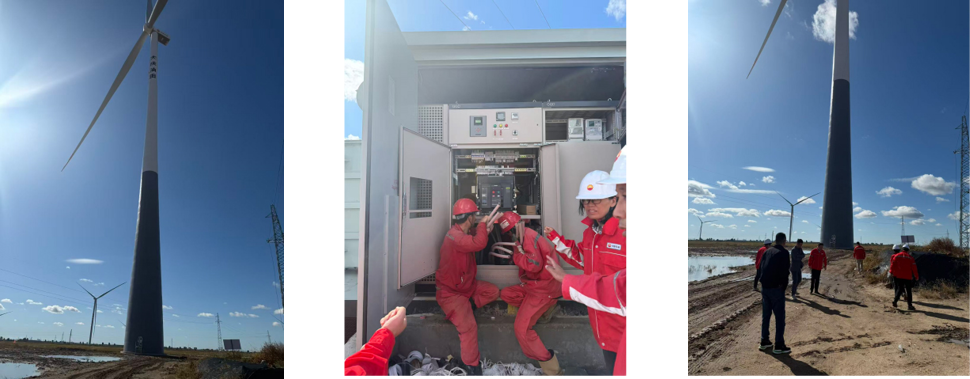
Figure 2 Wind Field Practice in Oilfield
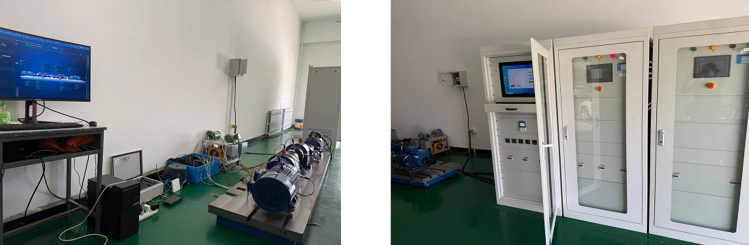
Figure 3 New Energy Center Fan Fault Diagnosis Center
The University-Enterprise Joint Research and Development Center focuses on the research and development of core technologies for new energy detection. Led by NEPU, with enterprises providing R&D equipment and facilities, and our university contributing scientific research teams and technical resources, both parties collaborate on tackling technological challenges and transforming research outcomes. The center houses four specialized laboratories, including an Oilfield Photovoltaic Power Station Quality Testing Laboratory and a New Energy Testing and Inspection Laboratory. These laboratories are equipped with advanced R&D equipment such as synchronous data acquisition systems and infrared thermal imagers, with a total value exceeding 8 million RMB. The center operates under an open and shared mechanism, allowing researchers from both sides to share R&D equipment and data resources. This facilitates joint applications for scientific research projects, co-authorship of academic papers, and collaborative patent filings. In terms of joint talent cultivation, addressing the shortage of professionals in the new energy field and the mismatch between existing skills and industry needs, NEPU, in collaboration with the NETC, has established a “five-joint cultivation mechanism” involving jointly formulated plans, co-developed curricula, shared faculty resources, jointly implemented practical training, and collaborative evaluation. This mechanism aims to cultivate versatile technical professionals who meet industry demands. Direct drive wind turbine model and control panel of the new energy center, is shown in Figure 4.
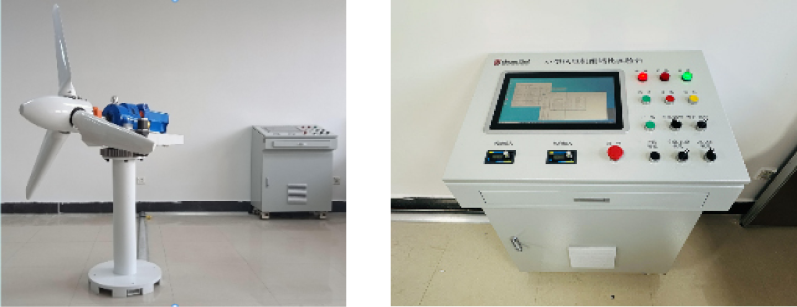
Figure 4 Direct Drive Wind Turbine Model and Controller of New Energy Center
Regarding the joint formulation of plans, NEPU and NETC have jointly established a Talent Cultivation Steering Committee. The committee is composed of technical leaders from enterprises, discipline leaders from our university, industry experts, and other relevant members. It regularly researches industry talent demands, analyzes the competency requirements for various positions in the new energy sector, and collaboratively develops the talent cultivation program. The program defines the cultivation objective of fostering individuals with “solid theoretical foundations, outstanding practical abilities, and strong innovative awareness”. It structures a three-phase curriculum system comprising “general education, specialized foundational knowledge, and practical innovation”, in which practical teaching accounts for 40% of the total course hours.
In terms of course co-development, our university integrates enterprise testing standards, technical specifications, and real project cases into the curriculum system. In collaboration with the NETC, core courses such as Solar Thermal Energy Utilization and Solar Thermal Utilization Technology are developed. The course materials follow a “jointly developed by the university and enterprises” model, incorporating real enterprise testing project cases and solutions to technical challenges, making the course content more aligned with industry realities. Additionally, specialized practical courses are offered, co-delivered by enterprise technical experts and our university faculty. These courses adopt a teaching model of “theoretical explanations paired with hands-on practice” to enhance students’ practical skills.
Regarding the shared faculty resources, a “dual-mentor system” is implemented. Enterprise technical experts serve as practical mentors, guiding students in on-site testing, data processing, report preparation, and other practical tasks. Our NEPU faculty act as theoretical mentors, responsible for imparting professional knowledge and cultivating research-oriented thinking.
3.2 Multidimensional Evaluation of Practical Outcomes
The industry-academia integration model led by NEPU has achieved remarkable results in its implementation. It has fostered synergistic advancements in technological innovation, industrial development, and talent cultivation, establishing a virtuous cycle where education empowers industrial growth.
At the technological innovation level, the university has led collaborative efforts between industry and academia to overcome several core technical bottlenecks in new energy testing, elevating the industry’s technical standards. First, breakthroughs have been made in core technology R&D. The university-led research project “Research on Synchronous Testing Technology for Photovoltaic Modules in Photovoltaic Power Stations” has completed the preliminary design of a multi-channel synchronous data acquisition module, achieving 32-channel synchronous acquisition with a sampling frequency of 100 kHz and synchronous error controlled within 1 μs. This is expected to improve the detection efficiency of photovoltaic modules by over 40%, with detection accuracy error within ±0.3%, surpassing the limitations of existing technologies and instruments. Additionally, the jointly developed low-temperature-adapted detection equipment maintains a detection accuracy error within ±0.5% even in environments as low as -35°C, filling the technical gap for new energy testing equipment in low-temperature conditions. Second, there has been a substantial output of technological achievements. By the end of 2024, the NETC team had applied for 10 patents (including 7 invention patents), developed one enterprise technical specification, and participated in the formulation of one industry standard.
At the industrial development level, the industry-academia integration promoted by the university has facilitated the standardization and scaling of the new energy testing industry, enhancing its overall influence. First, the standardization of testing services has been elevated. Technical documents collaborated by the NETC and NEPU, such as “Energy Efficiency Testing and Calculation Methods for New Energy Systems in Oil and Gas Field Enterprises”, have been incorporated into China’s petroleum industry standards. This provides a unified technical foundation and standardizes testing procedures and methodologies for new energy detection in oilfields. Second, testing services have expanded in scale. Leveraging the university’s technical expertise and talent support, the scope of testing services has extended from the Daqing Oilfield to more than ten oilfields, including those in Southwest China, Changqing, and Xinjiang. Third, the university’s industry influence has grown significantly. NEPU has become a benchmark institution in the oilfield new energy sector and is frequently invited to participate in industry forums and technical exchange events on new energy testing, where it shares practical experiences from its industry-academia integration model.
In terms of talent cultivation, the university has developed a group of compound new energy testing talents that meet industry demands through the “Five Co-creation” training mechanism, alleviating the pressure of talent shortages in the industry. First, the quality of talent cultivation has steadily improved. The university has jointly trained multiple cohorts of students in new energy-related majors, who have achieved excellent results in various national and industry competitions. Second, graduates have demonstrated outstanding career development. According to feedback from enterprises, graduates possess a solid theoretical foundation and strong practical skills, enabling them to quickly adapt to testing position requirements. Third, the talent structure within enterprises has been optimized. The collaborative training between the university and enterprises has not only enhanced students’ practical skills but also improved the theoretical knowledge and research capabilities of enterprise technical personnel. To date, several enterprise technical experts have been appointed as adjunct professors at the university, and many technical experts have completed advanced academic degrees. The proportion of personnel with research capabilities within enterprise technical teams has also increased significantly compared to previous years, further strengthening the core competitiveness of the enterprises.
4 Realistic Challenges and Optimal Paths for Industry-Education Integration
4.1 Major Challenges
Despite the tangible achievements of the industry-academia integration model spearheaded by the university, its implementation continues to encounter significant obstacles that hinder deeper collaboration and limit the amplification of its benefits. Drawing from case analyses and interview data, these challenges can be categorized into three primary areas. First, the collaborative mechanisms are inadequate, leading to unstable university-enterprise partnerships. Currently, cooperation between the two sides is primarily based on project-specific agreements and framework protocols, lacking a long-term, stable collaborative safeguard mechanism led by NEPU. In terms of benefit distribution, there is no clear scheme for sharing proceeds from commercialized outcomes. For example, the revenue-sharing ratio between the university and enterprises for jointly developed patented technologies remains ambiguous, which dampens enthusiasm for technology transfer. Regarding responsibility allocation, clear standards are absent for defining accountability in cases involving R&D risks or project delays in collaborative projects. Communication and coordination are hampered by the lack of a regularized mechanism, with interactions often confined to project leaders, resulting in untimely information flow and occasional disconnects between cooperative phases. Furthermore, insufficient policy support at the governmental level, specifically the absence of targeted supportive policies, such as tax incentives or dedicated funding subsidies for industry-academia integration in the oilfield new energy sector, also affects the motivation and stability of these partnerships. Second, the depth of integration is insufficient, with a pronounced tendency to “emphasize form over substance”. Current collaboration predominantly focuses on joint technological R&D and practical teaching. The integration remains superficial in core areas such as academic discipline and program development, curriculum system restructuring, and faculty team building, failing to achieve a comprehensive and profound integrated structure. In discipline and program development, the orientation of the university’s new energy-related programs remains relatively conventional, not fully incorporating the specialized needs for oilfield new energy testing, resulting in indistinct program characteristics. Regarding curriculum restructuring, although some core courses have been co-developed, their content is not updated promptly to integrate the latest testing technologies and industry standards. In faculty development, there is room for improvement in the practical skills of university instructors and the theoretical knowledge of enterprise technical experts. University faculty often lack frontline practical experience in oilfield new energy testing, while enterprise experts typically lack systematic pedagogical training, which impacts teaching quality. Third, the relevance of talent cultivation needs enhancement, as it currently deviates from industry needs. The university’s existing cultivation programs are insufficiently tailored to the demands for inspection professionals in specialized contexts like oil and gas fields, lacking customized training modules. A survey of 16 oilfield enterprises revealed that core industry requirements for new energy technical talent include familiarity with oilfield operational conditions, mastery of inspection techniques for complex environments (e.g., low temperatures, sandy/dusty conditions), and capability for on-site emergency response. However, specialized training content addressing oilfield conditions constitutes only about 15% of the total curriculum. Practical training is mostly concentrated on conventional photovoltaic power station inspection, lacking projects simulating complex environments. Consequently, graduates require a considerable adaptation period to acclimate to the special conditions of oilfields upon employment. Moreover, the levels of talent cultivation are relatively homogeneous, primarily focused on undergraduate and associate degrees. There is a lack of a cultivation system designed for high-end technology R&D personnel and management talents, making it difficult to meet the industrial demand for multi-level professionals to support its high-quality development.
4.2 Systematic Optimization Recommendations
In response to the challenges and in alignment with the “dual carbon” goals and the development needs of the new energy industry, the following optimization recommendations are proposed across four dimensions, including collaborative mechanisms, integration depth, talent cultivation, and evaluation systems, to advance industry-education integration toward deeper and broader development.
i) Improve collaborative safeguard mechanisms to enhance the reliability of university-enterprise cooperation. Internal collaboration mechanisms are refined with enterprises, clarifying core aspects such as the rights and obligations of both parties, profit distribution plans, and standards for responsibility allocation. Regarding profit distribution, a mechanism of “shared outcomes and shared risks” will be established. Revenue generated from the commercialization of jointly developed patent technologies will be divided between the university and enterprises according to a predetermined ratio. In terms of responsibility allocation, the responsible entities and timelines for each phase of the project will be clearly defined, with corresponding measures established to address issues such as project delays. For communication and coordination, a regularized communication mechanism will be implemented to ensure the timely and accurate exchange of information. Additionally, efforts will be made to secure government policy support. By collaborating with other universities and industry associations, NEPU will apply to relevant government departments for specialized support policies, seeking benefits such as tax incentives, funding subsidies, and priority in research project applications.
ii) Deepen comprehensive integration to create an integrated “industry-education” development framework. In terms of discipline and program development, collaborated with enterprises can be scheduled a specialized program in “Oil and Gas Fields and New Energy”, clarifying its positioning and training objectives to highlight the technical characteristics of oilfield-specific scenarios. A dynamic adjustment mechanism for disciplines and programs will be established to promptly adapt program directions and curriculum design in response to changes in industrial technology and talent demands. For curriculum restructuring, a joint curriculum development working group will be formed to update course content every six months, incorporating the latest testing technologies, industry standards, and real-world enterprise cases. A customized course module entitled “Oilfield Testing and Evaluation” will be developed, covering techniques for low-temperature environments, sandy and dusty conditions, on-site emergency response, and other relevant content. An online course resource library can be established to integrate teaching resources from both the university and enterprises, providing students with a self-directed learning platform. Regarding faculty development, a “dual-qualified” teacher training program can be implemented. Each year, the university can select specialized teachers to undertake temporary assignments in enterprises, where they participate in real testing projects to enhance their practical skills. Enterprises, in turn, can send over technical experts to participate in teaching methodology training organized by the university to improve their teaching capabilities. Certification standards for “dual-qualified” teachers can be established, with practical experience and teaching ability serving as core evaluation indicators.
iii) Customized talent cultivation can be advanced to precisely align with industry needs. In response to the specific demands for oilfield new energy testing, a three-tier talent cultivation system, comprising the foundational tier, professional tier, and specialized tier, will be developed. The foundational tier focuses on general education and core disciplinary courses to solidify the students’ theoretical foundation. The professional tier offers core courses in new energy testing to cultivate students’ key professional competencies. The specialized tier introduces course modules on testing techniques for oilfield-specific operating conditions, enhancing student job adaptability. Customized, order-based training programs will be implemented. Through talent cultivation agreements signed with oilfield enterprises, tailored training plans can be developed based on specific corporate needs, and “enterprise-specific training classes” will be established. Enterprises can be involved throughout the entire talent cultivation process, and students will directly join the cooperating enterprises upon graduation. Simultaneously, the levels of talent cultivation can be expanded. In collaboration with other universities, master’s and doctoral programs can be jointly developed, focusing on nurturing high-level technical research and development talents and management professionals in new energy testing. This initiative aims to address the talent gap for high-quality industrial development.
5 Conclusion and Prospects
This paper uses the practical experience of NEPU in the new energy field as a core case study to systematically explore the implementation pathways and application outcomes of the industry-education integration. The research indicates that the three-dimensional linkage model of industry-education integration, encompassing collaborative technological innovation, co-development of practical platforms, and joint talent cultivation, can effectively integrate the research strengths of universities with the practical resources of enterprises. This model plays a significant role in enhancing the technical level of new energy detection, promoting industrial standardization, and alleviating talent shortages. The practical experience not only validates the feasibility and effectiveness of this industry-education integration model but also provides a replicable practical example for the deep integration of the new energy industry and education under the “dual carbon” goals.
Looking ahead, as the “dual carbon” goals continue to advance, the demand for detection technologies and professional talent in the new energy industry may further increase, making the importance of industry-education integration even more prominent. Moving forward, it is essential to further refine collaborative safeguard mechanisms, deepen comprehensive university-enterprise integration, advance customized talent cultivation, and establish a diversified evaluation system to drive industry-education integration toward deeper and broader development. At the same time, cross-regional and cross-sectoral collaboration in industry-education integration should be strengthened to pool more high-quality resources, forming a synergistic force to promote the high-quality development of the new energy industry, which will provide more robust technical support and talent assurance for achieving the “dual carbon” goals.
References
[1] Cheng, W., Kong, L., Chen, Y., et al. (2024). Application of solar energy in oil and gas fields. Oil-Gas Field Surface Engineering, 43(12), 16−21.
[2] Fan, K., Wang, Z., Huang, J., et al. (2026). Discussion on the application status, deficiencies and development trends of green energy in oil and gas fields. Oil & Gas Storage and Transportation, 1−17.
[3] Zhang, R. (2025). Research on the operation dilemma and solution strategies of the industry-education integration community in China (Unpublished master’s thesis). Jiangxi Normal University, Nanchang.
[4] Ma, Z., Ma, J., & Qin, L. (2023). The practice and exploration of the mode of university-enterprise joint training of applied talents, taking the basketball direction of the Physical Education College of Taishan University as an example. The Educational Review, USA, 7(10), 1531−1535.
[5] Zhao, Z. (2021). Construction and Path Analysis of Talent Training Mode of Industry-Education Integration Engineering Based on Collaborative Theory (Unpublished master’s thesis). Zhejiang University, Hangzhou.
[6] Liu, H. (2025). A brief discussion on the application of photovoltaic power generation systems in oil fields. Oil-Gas Field Surface Engineering, 44(12), 64−68.
[7] Wang, X. (2013). Discussion on the application of wind power generation in oil fields. Oil-Gas Field Surface Engineering, 32(9), 102.
[8] Guo, J. (2025). Application value analysis of photovoltaic power station power generation improvement efficiency by test. Laboratory Testing, 3(22), 283−285.
[9] Li, Y. (2023). Research on the construction of an industry-education integration community from the perspective of new quality productivity. Nanjing Journal of Social Sciences, (12), 122−129.
[10] Xu, Y., & Jiang, J. (2010). The realization mechanism of close university-enterprise cooperation from the view of interface management: a case study on the university-enterprise cooperative research institution of DLUT. Research and Development Management, 22(4), 69−75.
[11] Liu, S., & Sun, J. (2025). Construction of the “integration of work and learning, combination of school and enterprise” model guided by demand: a practical exploration based on resource integration and benefit sharing. Henan Education, (12), 16−18.
[12] Shuang, Z., & Jin, W. (2020). Research on the path of university-enterprise joint innovation and entrepreneurship practice based on the digital era. Basic & Clinical Pharmacology & Toxicology, 127, 164−165.
[13] Wei, L., Chen, Y., & Huang, Y. (2025). Exploring the effects of joint university–enterprise training on the professional identity and innovative capacity of engineering graduate students: based on a systematic literature review and meta-analytic approach. European Journal of Engineering Education, 50(6), 1523−1549.
[14] Wan, F., Cao, H., Yu, B., et al. (2025). Reform and practical exploration of the training mode for professional degree postgraduate students in electronic information, taking the School of Electronic and Information Engineering of Nanjing University of Information Science and Technology as an example. Journal of Higher Education, 11(35), 58−62.
[15] Wang, C., Ding, X., & Lei, W. (2026). Exploration of the collaborative mechanism for the joint training of engineering master’s and doctoral students from the perspective of educational ecology. Hei Longjing Education (Theory & Practice), 1−4.
[16] Wang, H. (2025). Research on the construction of “dual-qualified” faculty in higher vocational colleges with the help of school-enterprise cooperation. Public Relations World, (23), 117−119.
[17] Ao, S., Li, J., Guo, H., et al. (2025). Research on the construction of a “dual-qualified” teaching faculty through school-enterprise co-cultivation. Education Insights, 2(9), 300−308.
[18] Zhang, J., Yang, H., Ji, X., et al. (2024). Research on a practical teaching assessment system under the school-enterprise joint cultivation model. Curriculum and Teaching Methodology, 7(5).
[19] Liao, R., & Wang, X. (2025). Research on the path of improving secondary vocational students’ professional cognition and employment ability from the perspective of school-enterprise collaboration: a case study of in-depth cooperation with Carrier Air Conditioning & Refrigeration Systems (Shanghai) Co., Ltd. Career Development, (S1), 88−92.
[20] Deng, P., Wang, C., Liu, Z., et al. (2026). Practical exploration of a civil engineering education model based on three-stage collaboration and school-enterprise innovation and integration. The Science Education Article Collects, (1), 82−86.
[21] Tang, R., Liu, Y., & Guo, Y. (2025). Concept connotation, teaching practice and effectiveness evaluation of engineering entrepreneurship education: a systematic literature review of international engineering entrepreneurship education research. Research in Higher Education of Engineering, (5), 179−187.
[22] Hua, S., Wang, X., & Chen, C. (2026). Current situation and countermeasures of cultivating innovative and entrepreneurial sports talents in colleges and universities from the perspective of industry-education integration. Journal of Hengshui University, 28(1), 96−101.
[23] Yang, Y., Cheng, W., & Li, Y. (2026). Research on the mechanism of improving the employment ability of local college students driven by school-enterprise cooperation: an empirical analysis based on mediating and moderating effects. Journal of Nanyang Normal University, 25(1), 84−91.
[24] Yu, X., Wei, S., Fan, J., et al. (2024). Influence of the talent cultivation model of “mutual embedding between schools and enterprises, three - dimensional linkage, and win-win situation of four chains” on employment quality. China Employment, (2), 98−99.